
Two people have the same savings and pick the same work. One matches the income to her earnings-test answer first. The other takes the biggest hourly rate on offer and sorts out Social Security later. Six years on, the gap between them is measured in thousands, not hundreds.
Picture the reader this is written for. She is 61, works three days a week, and has $340,000 in a 401(k). She plans to claim at 67, and she has 8 to 12 weekend hours to spare, not more. Her first instinct is that any extra income puts the check at risk.
The hourly rate on the flyer is not the number that matters. Startup cost decides what you keep. So do the real weekend hours, and so does the way the tax return treats the money. Wages count in full. Self-employment income counts too. Rent is not wages, so it needs its own answer.
Weekend-scale work can add real dollars at this age. It can do that without putting a claim at 67 or the tax bill in danger. But it only works when you pick by what is left after costs, and by which of the three income types you are taking on.
Twelve options follow, each with its startup cost, its realistic monthly take and how its income is treated. Start by pulling your earnings record and confirming the current earnings-test limit with SSA, before you say yes to any W-2 or self-employment work.
🎯 THE SHORT ANSWER
The short answer on weekend side work before 67
Yes, weekend work can add real income without wrecking a claim at 67, but only if you pick a hustle whose income type matches the earnings-test limit and your tax bracket. W-2 wages and self-employment income both count against the limit; rent usually does not.
1. Bookkeeping Evenings That Pay You Twice

Every month you already sort your own checking account and match receipts to charges, and nobody pays you for it. Two contractor clients would change that. Skip the idea and those evenings keep costing you $600 a month in work you are already good at.
The job is small. You take on the books for two or three contractors, and each one hands over a month of bank and card records. You reconcile them at the kitchen table after dinner, split across two evenings, six to eight hours per client. Every dollar has a match.
A flat $250 to $400 a month per client is the usual offer, or $45 to $75 an hour. Two clients at $300 is $600 a month. That is 14 hours of evenings. Now the costs: bookkeeping software runs about $30 a month. So $600 minus $30 leaves $570. Here the earnings test matters. That's the rule that holds back part of your Social Security check once your work income passes a yearly limit, and it only applies before full retirement age. Full retirement age is the age you get your full benefit, 67 for anyone born in 1960 or later. Your contract work counts against that limit. Self-employment tax comes off too, on top of income tax. The $600 is not the net.
Two things decide the second client: the flat fee and the countable label. At $300 flat for seven hours, you are working for about $43 an hour, and tax takes a bite after that.
The first client pays for the software and the learning curve. Add the second only if the evenings hold up.
💡 Tip: Ask for a flat monthly fee, not hourly, so a messy month does not eat your Saturday.
| Hustle | Startup cost | Weekend hours | Realistic monthly take | Counts against the earnings test before FRA? |
|---|---|---|---|---|
| Bookkeeping | $30/mo software | 12–16 | $600 | Yes (self-employment) |
| Tutoring | $0 | 2–3 | $120–$180 | Yes (W-2 wages) |
| Handyman | $300–$600 | 8–10 | $400–$600 | Yes (self-employment) |
| Renting a room | $0 | 2–4 | $600–$900 | Usually no (rental) |
| Selling garage items | Fees | 8–12 | $500–$1,000 first 3 months | Depends on preparer |
| Tax prep | $300–$500 course | 15–25 | $6,600 over 15 weeks | Yes (W-2 wages) |
| Pet sitting | Under $100 | Full weekend | $150–$250 | Yes (self-employment) |
| Loan signing | About $150 | 3 appointments | $225–$450 | Yes (self-employment) |
| Consulting | Almost nothing | 12 | $1,200–$1,800 | Yes (self-employment) |
| Farmers market booth | $200–$400 | Full Saturday | $200–$600 net | Yes (self-employment) |
| Online classes | Under $100 | 2–4 prep | $400 per session | Yes (self-employment) |
| Renting equipment/RV | Insurance check | 1–2 | $300–$600 | Usually no (rental) |
2. Saturday Tutoring in the Subject You Already Teach

Parents pay $40 to $60 an hour for regular tutoring and more for test prep. Two or three students on a Saturday is $120 to $180. There are no client books and no software to buy.
The mistake is treating it as year-round income. Demand runs September to May, then drops off in summer, so a reader who budgets the Saturday money for twelve months comes up short in July. Pair it with a summer hustle instead of expecting it to carry the year. Students come from the district's substitute list, a local tutoring center, or parents who already know you.
Now the label. District pay arrives as W-2 wages, which means an employer withholds tax and reports it. Wages count in full against the earnings test before full retirement age, and that includes money paid straight into a retirement plan out of your paycheck. So the $120 to $180 is almost all yours after travel, because startup is zero. But every dollar is countable, unlike rent or a sold garage item.
That makes tutoring the cleanest small entry on the list and the least flexible once summer arrives.
Jargon, decoded
3. Small Repairs for Neighbors as a Handyman

The assumption is that odd jobs for neighbors are favors, not pay. The numbers disagree. Handyman work runs $50 to $75 an hour plus materials, and two Saturday jobs at $200 to $300 in labor each clears $400 to $600. Unlike tutoring, it runs year-round and uses tools you already own. Set aside $300 to $600 for tools and liability insurance, and confirm what your state or city licenses and what work is off-limits, such as electrical, plumbing and gas. The ceiling is your body. Two jobs a weekend, and no job that needs a helper. That money is self-employment income, so it counts against the earnings test before full retirement age.
💡 Tip: Carry a simple one-page invoice and collect payment on site. Chasing checks kills the weekend.
⚠️ COMMON MISTAKE
The $250 mistake in weekend self-employment
Skipping the quarterly estimated tax payment because the money felt small. Self-employment income over $1,000 a year usually requires quarterly payments or a higher withholding elsewhere. Set aside 25 to 30 percent of each check the day it lands.
4. Renting the Spare Room or Finished Basement

Rent the room upstairs before you take another job that spends your Saturdays. A furnished room or finished basement in a mid-size metro brings in $600 to $900 a month. Call the middle $750. For that money you give up two to four hours a month: a call with a stranger, a one-page lease, and a clean between tenants.
The link from labor is simple. Repairs are paid for hours worked. A room is paid for a thing you already own, and the check arrives whether the weekend was busy or flat.
5. Selling the Garage's Contents on eBay, Properly

Selling what is already in the garage is cleaning, not a business, and one weekend of photos will not change that. A two-car garage, sold item by item over three months, brings in $1,500 to $3,000. Then it is done.
Do it once, this way. Pick a corner of the garage and sort into three piles: sell, keep, dump. Clear the sell pile in a single session rather than a little each night.
Then set up the cheap parts. A fixed listing format does most of the work: same title pattern, measurements, flaws named, price. List twenty to thirty items in one Saturday, and after that a listing takes four minutes instead of fifteen.
Leave the rest alone. Shipping goes out in one post office run a week, not a trip for every sale. Answer messages in one block after dinner. None of this needs nightly attention once the format is set.
Set money aside for fees. Listing and payment fees come off the top, and bubble wrap and boxes come out of your own pocket. A $2,000 gross after a full weekend and several weeknights of packing is not the hourly rate it looked like.
Then ask a preparer where the line sits. Clearing out your own belongings is not the same as running a business, and the reporting depends on how the sale is set up.
The parts worth automating are the format, the schedule, and the shipping run. The rest ends with the garage.
💡 Tip: Price to sell in the first seven days. Relisting stale items costs more in fees than a lower price.
6. Seasonal Tax Prep from January to April
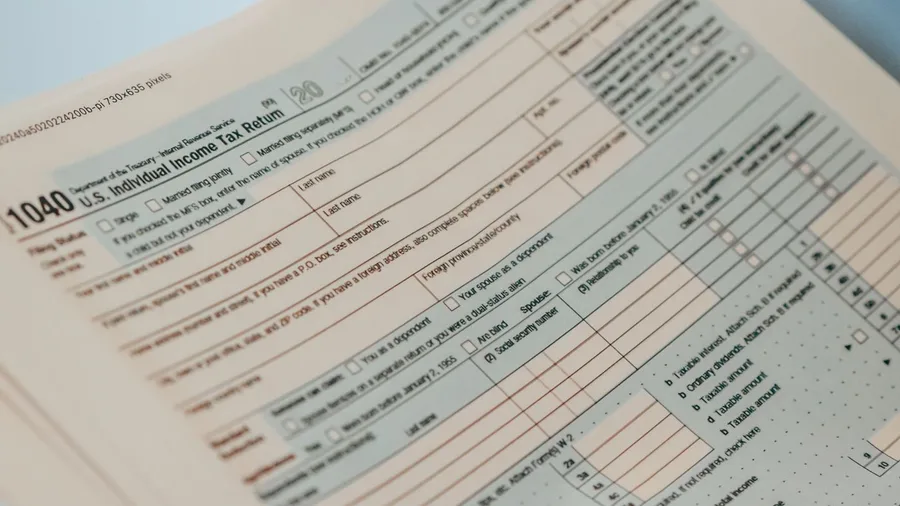
$6,600 is what a season of tax prep can pay before the per-return bonus. That is 20 hours a week at $22, across 15 weeks from January to April 15, Saturdays included. It is real money, and it is a season, not a job.
Pay at a chain preparer runs $18 to $25 an hour plus a bonus per return, and more once you hold a preparer credential. A preparer course costs a few hundred dollars, and the employer usually supplies the software.
Here is the part worth talking through first. Fifteen to twenty-five hours a week is well past the 8 to 12 weekend hours you can carry alongside a part-time job. Whether those weeks fit depends on whether your employer can flex your schedule from January through mid-April, and only you and that employer know the answer.
One more call matters. Tax prep is W-2 wages, counted in full against the Social Security earnings test if you claim before full retirement age. Before you say yes to the season, confirm the current earnings-test limit with SSA, because a $6,600 run lands on top of whatever your part-time job already pays.
Tax prep season — at a glance
🧾 Bonus per return
$5–$15
📚 Course length
3–6 weeks, 40–60 hours
💻 Software provided
Employer supplies
📈 Credential pay bump
$3–$8 more an hour
🔁 Returning next season
Most chains rehire
Before you commit
Sit the course in the fall — a January start is too late to be hired for the season.
7. Pet and House Sitting Through an App
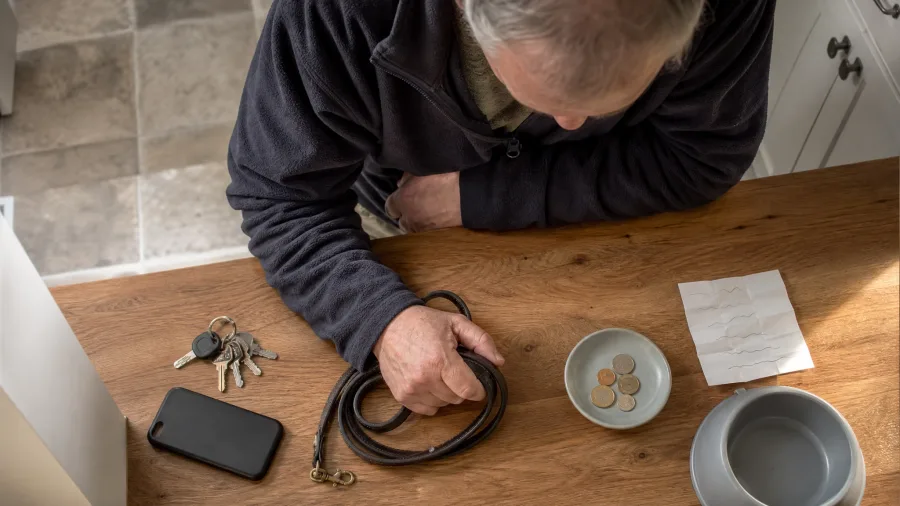
The paid stay is real. People hand a stranger their keys, their dog and their house for a weekend and pay for the privilege. One catch from the start, though: the money arrives per night, and the weekend does not belong to you anymore.
Pay runs $35 to $50 a night for sitting and $18 to $25 for a walk. Two bookings over one weekend clear $150 to $250, which sounds like easy money until you divide it by the hours you are awake in someone else's kitchen.
Startup is light, which is why this fits a month when cash is tight. A background check and a platform fee usually come in under $100 together, and liability coverage is worth adding on top of that before the first booking. That is the smallest entry cost of anything that puts you on someone else's property.
Now the part the listing leaves out. You sleep in their bed, use their shower and eat breakfast away from your own table. A night that pays $50 is not a two-hour job; it is most of a weekend spent out of your own house, so the hourly rate after the whole stay looks nothing like the nightly fee.
The tax label matters here as much as the money. Platform pay is self-employment income, which means it counts against the Social Security earnings test if you claim before full retirement age, and self-employment tax rides on top of income tax. Both come out of that $150 to $250 before it is really yours.
This is Duane's number to check, once. Duane is 62, an illustrative example rather than a real client, and he would count a weekend of sitting as countable earnings the same way he would count wages. So he should track three figures for a month before deciding: the gross per booking, the hours the whole stay actually took, and how much of the year's earnings-test limit that gross has used up. The gross looks good. The other two numbers are the truth.
That does not rule it out. It rules it into second place behind work that pays by the hour for an hour worked. If you take it, take it for a weekend that was empty anyway, and cap it at one booking a month so the part-time job and the claim stay intact.
Worth it or skip it: the weekend time test
Worth it
- Pays $45+ an hour after startup
- Fits in 8–12 weekend hours
- Uses tools or skills you already own
- Repeat clients or monthly billing
Skip it
- Requires a full Saturday plus weeknight production
- Income stops when the inventory runs out
- Startup cost over $500 with no first client lined up
- Hours exceed your part-time job load
8. Loan Signing Appointments on Saturdays

Sitting trades a whole weekend for one fee. Signing work trades a two-hour block, because a title company calls when a house closes and needs someone to walk a borrower through the paperwork at the kitchen table.
The fee runs $75-$150 per appointment plus mileage, so three Saturday signings can clear $300 before gas and the course cost. For a tight month, book one signing and treat it as a test.
Becoming a signing agent takes a few small purchases: a notary commission, a bond and a background check together cost about $150, and a course sits on top. The pay counts as self-employment income, which means it is countable against the earnings test before full retirement age – so check the current limit with SSA first.
A single $125 appointment is worth starting with. Volume follows mortgage activity, not effort, so the steady month comes later.
💡 Tip: Keep a portable printer and a jurat stamp in the car so you never lose a signing to a missing page.
9. Consulting a Few Hours a Month in Your Old Field

Yes, and faster than any other option here, because the buyer is not shopping for a bargain. The buyer has a problem and needs someone who has already solved it.
The rate runs $100-$150 an hour with a two-hour minimum, and two clients at six hours a month each is 12 hours for $1,200 to $1,800. That is the highest hourly on the list, and it comes with almost no startup cost: a phone, an invoice template, and a written scope of work so the hours stay inside the two you agreed to.
There is an upside most people miss. Your Social Security check is built from your 35 highest-earning years, adjusted for wage growth, and the figure it produces is your primary insurance amount. That's the monthly benefit you would get at your full retirement age of 67.
A low or zero year in that record drags the average down. A few thousand dollars of consulting income can replace it and lift that benefit for life. Pull your earnings record at SSA before you sign a first client.
Then watch the tax side. Self-employment income counts against the earnings test before full retirement age, and extra income lifts your taxable income, which can push up the Medicare Part B premium taken straight out of your check.
Medicare Part B is the part that covers doctor visits and outpatient care. That's the premium deducted from your monthly benefit, and it rises with income.
So scale down, not out. One client at two hours a month keeps the rate, the record and the relationship alive through a tight stretch. It costs nothing to keep the second slot open for later.
What a weekend hour actually clears
One month of Saturday handyman work at $60 an hour, two jobs a weekend, four weekends
Assumes $60 an hour, four weekends a month, 22% federal bracket; state tax not included.
10. A Saturday Booth at the Farmers Market

Selling at a market is not consulting. Consulting sells a few hours of a former career from a desk; a booth sells a product you make, and the making eats the weeknights before the Saturday.
In season, a market day nets $200 to $600 after the booth fee and materials. Getting there costs $200 to $400 for a canopy and tables, plus whatever permit the market or health department requires. Unsold inventory is money already spent.
That is below the hourly work, and the risk arrives before the first sale. Skip it unless you already make the thing.
11. Teaching What You Know in Live Online Classes

A market booth needs stock and a full Saturday. A live online class needs a lesson plan and a link. If you have taught something to anyone before, you already own the product, and the first session can be scheduled for a week from now.
The money works off seats, not hours. A single student session pays $25 to $50, and a multi-week course sells for $40 to $80 a seat. Ten seats at $40 is $400 for one session, so the class that fills matters far more than the class that runs long.
Starting costs under $100: a video account, a written lesson plan, and a platform that collects the payments so you never chase anyone for a check. Then teach two groups free in the first month. The free round is where you find out whether your pacing holds a room for an hour, and it costs you nothing but the evenings.
The label is self-employment income, countable against the earnings test if a claim starts before 67. Keep the class load small enough that the prep stays inside a weekend and does not turn into a second job.
The $400 session is real, but prep time, platform fees and the free trial groups decide the first few months. Start with one class and ten seats.
💡 PRO TIP
The SSA record check that reorders this list
Before you accept a single W-2 or self-employment gig, pull your earnings record at ssa.gov and confirm the current earnings-test limit. If you are past full retirement age, the test no longer applies — the rental option drops down the list and the highest-hourly work jumps to the top.
12. Renting Out Equipment, an RV, or Storage Space

The lowest-hours money on this list comes from things already sitting in your driveway or your garage. An RV rents for $125 to $175 a night. Garage or storage space brings $75 to $200 a month, and tools or trailers go for $40 to $60 a day.
The work is messages and turnover, one or two hours a month. A two-night RV booking at $150 a night is $300 for a handful of replies. That beats a weekend of teaching on hours, though the dollars arrive in bursts rather than on a schedule.
This week's move: before you list anything, call your homeowners insurer and ask in plain words whether a paying renter is covered. Then check the HOA rules and any city limit on where the RV gets parked. Damage and insurance decide the net, and a policy that excludes rentals can turn a $300 weekend into a loss.
This is rental income, not wages. It cannot be answered like a paycheck, so have a preparer confirm how it gets reported and whether it touches the earnings test for you.
One listing, one weekend, and you know whether the thing pays.
💡 Tip: Photograph the odometer and the interior before every rental. It settles damage disputes fast.
Frequently Asked Questions
Does weekend side work affect my Social Security if I claim at 67?
Only if you claim before full retirement age. Before FRA, wages and self-employment income count against the earnings-test limit; rent usually does not. After you reach FRA, the test no longer applies.
Which of these hustles pays the most per hour?
Consulting in your old field at $100 to $150 an hour, followed by handyman work at $50 to $75 an hour plus materials. Bookkeeping and tutoring clear less per hour but need almost no startup.
Do I need to pay quarterly taxes on side-hustle income?
If you expect to owe $1,000 or more for the year, yes. Set aside 25 to 30 percent of each payment and make quarterly estimated payments, or raise the withholding on your part-time paycheck.
Is rental income from a spare room counted in the earnings test?
Rent is not wages, so it generally is not counted the same way. Ask SSA and a tax preparer to confirm for your situation, especially if you provide services like cleaning or meals.
How many weekend hours can I realistically work alongside a part-time job?
Eight to twelve hours a week is the realistic ceiling. Seasonal tax prep runs 15 to 25 hours a week and only works if your part-time job can flex.
What is the first thing to do before starting any of these?
Pull your earnings record at ssa.gov and confirm the current earnings-test limit. That one answer decides whether to pick W-2 work, self-employment or a rental.
Pick the hustle that matches your earnings-test answer
Choose by situation, and the list sorts itself. The spare-room or equipment rental brings the fewest hours for the most predictable dollars. Consulting or handyman work pays the highest hourly. Tutoring and tax prep fit a season that ends. Past full retirement age the earnings test stops applying entirely, a fact that reorders everything above it and the retirement regrets people share most.
For the 61-year-old with $340,000 in the 401(k) and a plan to claim at 67, the highest gross rate is not the prize. The winning hustle clears its startup cost. It fits the real weekend hours. Its income lands in a category you can answer for, and it does not displace the part-time job.
So do this first. Pull your earnings record and confirm the current earnings-test limit with SSA before you accept W-2 or self-employment work. Then pick the hustle whose income is counted in the way that answer allows. If the money is rent, check it on its own terms.
By 67 the earnings test is gone. The tax return is not. Start now to add income without trading away the claiming plan, and without a surprise in April.
Start with the SSA record check
Open ssa.gov, print your earnings record, and note your primary insurance amount. That one page decides which of these twelve hustles is worth your Saturday.