
$65,000 of retirement income minus $8,520 of Medicare premiums leaves $56,480. That is a normal year, not a bad one.
Look at the Social Security side. The benefit is $3,400 a month, and about $3,030 lands, because two Part B premiums come out before the money is ever touched.
A premium is the fixed amount you pay each month to keep coverage, whether or not you use it. The first retirement bill is paid before you see the deposit.
Nothing switches off billing on your last day of work. The mortgage ends; the premiums, the roof, the property tax and the car do not. Costs change shape, from paycheck deductions into lines nobody wrote down.
The costs that outrun a budget are seldom the dramatic risks people insure first. They are the quiet recurring bills and the lumpy single years. Each has one check that makes it visible before it hits.
Read on and you can name which of your own lines have already been growing, which two to check first, and the one document to check them against: last year's statements.
💡 PRO TIP
The question that sorts all ten costs
Ask whether a cost is a steady monthly bill or a lumpy single-year spike. Monthly bills belong in the monthly budget. Spikes belong in a separate reserve with a number attached. Mixing the two is what makes retirement spending feel out of control.
Health and care costs
Health is where a retirement budget gets tested first, because these costs arrive whether or not you do anything.
The premiums come out of your Social Security check before you see it. The gaps around them arrive as invoices. And the care tail can run for years, long after the premiums are routine.
1. Medicare premiums and gaps are a monthly bill

Skip the health line and the shortfall runs about $8,520 a year. That is what the couple in this example pays before a doctor is seen. The bill starts with the Medicare premium taken from the check itself.
Medicare Part B is the part that covers doctor visits and outpatient care. At 67 and retired, the couple's combined Social Security is $3,400 a month before anything comes out. Part B is about $185 per person, so $370 comes off that check and about $3,030 reaches the bank. Then comes Medigap. That is a private policy that picks up the share of doctor bills Medicare leaves behind. Plan G runs about $170 per person, another $340 a month.
Add the two together and the health line is about $710 a month, or roughly $8,520 a year. Nothing has been claimed to reach that number.
It works like a subscription. You pay it whether or not anyone gets sick. A budget built before retirement usually counted only the visits, which is why this line turns up missing.
And the January cost-of-living raise arrives on the same check the premium comes out of. A higher premium eats part of the raise first. Check the current figures at Medicare.gov before you set the number.
Budget the couple number, $710, not the $185 you hear quoted per person. It is the first bill to check, because it is the one you cannot put off.
💡 Tip: If your Medicare premium depends on your income, ask your plan or Medicare.gov how to file the form that adjusts it after a retirement drop in earnings.
| Cost line | Typical example hit | Why it surprises | First check or move |
|---|---|---|---|
| Medicare premiums and gaps | $710 a month for the couple | It is a subscription, not a bill for services | Budget the couple number, not the per-person quote |
| Dental, vision, hearing | $4,000 implant; $3,000 hearing aids | Generally outside Original Medicare | Price a stand-alone policy before a problem starts |
| Long-term care | $5,200 a month for a 40-hour aide | Custodial care is separate from doctor bills | Decide: self-insure, buy coverage, or plan on home equity |
| Home repairs | $14,000 roof; $8,000 HVAC | Service lives cluster in the same decade | Size a home reserve to the largest single item |
| Property tax and insurance | $8,400 a year combined | The mortgage ends; the tax and premium do not | Hold $700 a month in the budget all year |
| Retirement withdrawals and tax | Up to 85% of Social Security taxable | Withdrawals are ordinary income, not capital gains | Treat the tax as a percentage of withdrawals |
| Travel | $6,500 for two domestic trips | Flexible dates do not always mean off-peak prices | Set one yearly cap before booking |
| Helping adult children | $5,000 to a child; $1,200 to grandchildren | The second year becomes a budget line | Set an annual family-support cap |
| Cars | $2,100 tires and timing belt; $32,000 replacement | Repairs do not scale with lower miles | Set aside about $330 a month for replacement |
| Everyday inflation | $1,050 a month groceries and utilities, $150 more than two years ago | The COLA is a national basket, not yours | Compare your own annual increase with the COLA |
2. Dental, vision, and hearing add costs outside premiums

$7,000. That is one dental implant and one pair of hearing aids, and it lands in a single year.
The premium covers doctor care. Your teeth, eyes and ears are usually outside it, and current coverage is confirmed at Medicare.gov. Price it out: about $4,000 for the implant, about $3,000 for the hearing aids, about $350 for an exam and glasses. One implant plus one pair of aids comes close to the couple's whole year of premiums, about $8,520.
So price a stand-alone dental, vision or hearing policy before a problem starts. A plan quoted at 67, with nothing wrong yet, is a very different number from one quoted after.
No monthly line exists for this one. Carry it in a reserve instead.
Jargon, decoded
3. Long-term care can outrun your health budget

Work out the yearly price of help with daily living before you need it. Custodial care, meaning help with bathing, dressing or eating, sits outside your doctor bills. Confirm at Medicare.gov what Medicare and any policy you hold actually pay toward it.
Run the numbers at a home aide rate of about $30 an hour. Forty hours a week is about $5,200 a month. That comes to about $62,400 a year, which is very nearly the couple's whole $65,000 of year-one income, spent on one service.
A nursing home is about $9,000 a month, or about $108,000 a year. Assisted living is about $5,500 a month. That is more than the household takes in.
Unlike the one-off purchases, this is the cost that can keep going for years. A $15,000 reserve does not come close. So the choice gets made in advance. You can set money aside yourself, buy a long-term care policy, or plan on tapping the paid-off house.
The house is worth about $400,000, and the part you own free and clear is your home equity. That is the piece you could borrow against or sell.
Settle it now, while the money is still yours. Make the decision after the need arrives, and the savings you meant to protect are already going out the door.
If you are weighing coverage against paying for it yourself, ask what the policy actually pays and when. Then take the numbers to a fee-only fiduciary. That is an advisor who is paid by you and must put your interest first, not sell you a product.
Then write the plan down. For this household, a monthly aide bill would use almost the entire income.
The house and the tax bill
The mortgage ends. The house does not. Neither does the tax bill that comes with it.
These costs are the ones most often left out because the biggest monthly line disappeared, and the remaining lines are smaller and irregular.
4. A paid-off house still has five-figure repair years
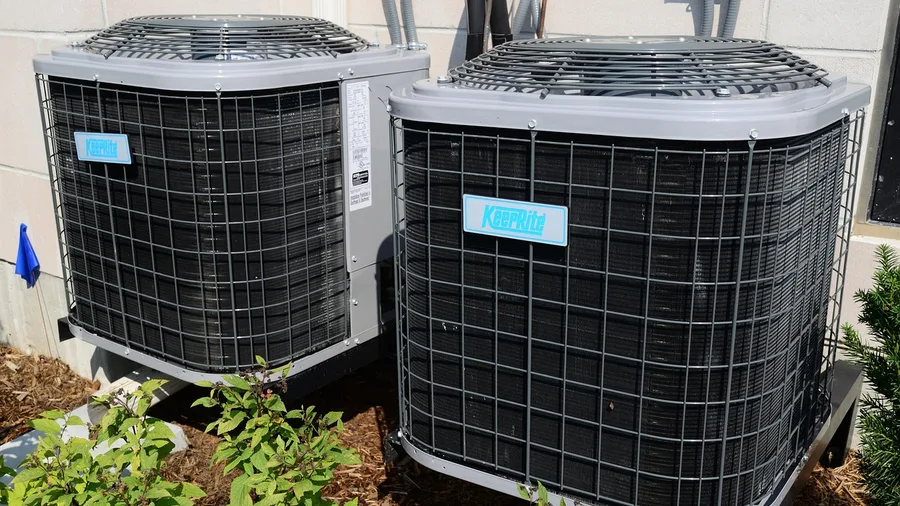
The mortgage ends and people stop budgeting for the house. That is the myth. Nothing on the house stops aging when the last payment clears, and a long retirement runs every part of it down.
A new roof is about $14,000. A new heating and cooling system is about $8,000. A water heater is about $1,800. All three are waiting somewhere in a long retirement. Houses built or roofed in the same stretch reach those ages together, so the failures bunch into the same decade and sometimes the same year. A roof and HVAC in one year is about $22,000, and lawn, gutter and pest service add about $2,400, for about $24,400 out of a $65,000 income.
So keep a home reserve of about $15,000, separate from the emergency fund and the travel money, sized to the biggest single item. Then a bad year costs you a roof, not a roof and the trip.
💡 Tip: Keep a home reserve separate from travel and emergency funds, sized to the largest single item — $15,000 covers the $14,000 roof.
Home reserve — At a Glance
🏠 Three items, one decade
$23,800 total
🧾 Skip-the-service-years
Saves $2,400 a year
🌡️ If the roof and HVAC land together
$22,000, one year
💧 Drawdown pace
$5,000 a year refills it in 3 years
🎯 When to open it
Now, before the first repair
Order of operations
Fund the $15,000 home reserve before travel money. A surprise roof on an empty reserve becomes a credit card balance at today's rates.
5. Property taxes and insurance rise after the mortgage ends

Repairs announce themselves with a leak. Property tax and homeowners insurance never do; they just reprice once a year and send a notice. The obvious default is to treat the house as nearly free once the last payment clears. It is a paid-off loan, not a paid-off address.
The actual numbers on a $400,000 house: property tax about $6,200 a year, homeowners insurance about $2,200. Together that's $8,400 a year, about $700 a month, or roughly 13% of the household's $65,000 year-one income, spent on a house with no mortgage on it.
The mistake is budgeting the way the bills arrive. The tax may come once or twice a year and the premium comes at renewal, so those months feel fine and the lump months hurt. Carrying $700 a month in the budget instead spreads the cost evenly, which is the fix.
Check both once a year rather than assuming they hold flat. The county sets the assessment and the insurer sets the renewal, and the renewal notice is where the increase actually shows. One hour with two envelopes a year is enough.
A paid-off house is a paid-off loan, not a paid-off address. The reassessment and the repricing keep coming.
6. Retirement withdrawals create a tax bill you didn't see

Two things connect: the $1.1 million in the 401(k) and IRA accounts pays the tax bill and the premium, and each dollar you pull out is itself taxable income.
A 401(k) is the plan at work that took money out of your check before tax. Tax withholding is the slice of a paycheck an employer sends to the IRS for you.
Every dollar in those accounts went in untaxed, so a withdrawal counts as ordinary income and no one has been withholding on it. This couple's combined income of $65,000 already tops the $44,000 line for married couples. Above that line, up to 85% of their Social Security is federally taxable too.
At 73 the withdrawals become required. Check three numbers once a year: your total income, your Social Security, and last year's tax return. Then set withholding or quarterly payments on purpose, because the $65,000 you withdraw is not $65,000 to spend.
💡 Tip: Sit down with a CPA before your first required withdrawal year to check whether a partial Roth conversion lowers the total tax over time.
⚠️ COMMON MISTAKE
Withholding is not automatic for withdrawals
Many retirees treat a retirement account withdrawal as if taxes were already handled like a paycheck. They are not. Check the withholding option when you request the withdrawal, or set aside the tax rate yourself.
Life, family and everyday costs
These are the costs you choose, but they repeat every year. That is what makes them plan-able — and what makes them easy to forget.
The final entry is the drift that makes the other nine worse each year.
7. Retirement travel costs more when everyone else travels too

The calendar says yes, and the price list says otherwise. Travel is the first want that acts like a bill – it gets measured against the after-tax money the withdrawals actually leave you, and that number is smaller than the gross. Two domestic trips come to $6,500; one international trip about $9,000. Together, $15,500 – close to a quarter of the year-one budget, and a quarter that repeats every year the trips do.
The discount is real, but it is smaller than the schedule suggests. Booking midweek in the shoulder season trims the bill, and doing it that way is genuinely cheaper than squeezing the same trips into a working life. Then a grandchild's wedding or a school holiday lands on the calendar and pulls you straight back to peak dates – the same booking desk, the same seats, a higher price. The dates that matter most are the dates that cost the most.
So cap it before you book, not after. Choose one number a year for travel, decided once in January, before a single date is chosen. Because travel can be skipped, a cap is what keeps it from shrinking to zero in a roof year and from swallowing the reserve in a quiet one. Then put the money in its own account, so a big repair cannot quietly cancel the trip, and the trip cannot quietly eat the reserve the roof will need.
Set the cap around $12,000 or $15,000 and write it down. A written number is the only thing that keeps this year's booking from being a fresh decision every time, and that decision always leans generous.
8. Helping adult children becomes a recurring line item

The requests come by phone. You may or may not be able to say no – but you can say a number.
Travel is the line you choose for yourself. Money handed to a grown child is the line someone else chooses for you, and on a fixed income it behaves like a bill. In the example year, $5,000 goes to an adult child and $1,200 covers grandchildren's gifts and activities – $6,200, about 9.5% of the $65,000 income. That is more than twice the $2,400 of lawn, gutter and pest service. It is one of the larger discretionary lines in the year, and one of the least planned.
The trap is the second year, not the first. A one-off $5,000 is a gift, and that is exactly how it gets filed. The following year the request arrives already expecting the earlier figure, and turning it down now feels like taking something back. So a gift becomes a budget line without anyone deciding that it should, and its first real test is the year the reserve is already spent.
Help and reserve draw on the same money. The $6,200 is roughly 40% of a $15,000 home reserve, and a roof does not wait for a better year. Say yes anyway if you want to. The cost is a smaller cushion for the repairs you cannot reschedule – so the cap is what makes the yes affordable.
Set one number a year for family support, and keep it in a category of its own, apart from the emergency fund. Then decide out loud what happens to it if health changes or a market downturn cuts the withdrawals. A cap shared in advance is easier to hold than a blank check and a hard conversation in the same phone call.
This is the entry where the limit is entirely yours. That freedom is the reason it gets a stated number rather than good intentions – and the reserve it protects is the one that covers the other nine.
What $65,000 of retirement income actually covers
Rough monthly and yearly figures for the example household; not a guarantee, your own bills will differ.
Figures rounded; returns, premiums and taxes are not guaranteed and change yearly.
9. Cars cost more to keep and replace in retirement

Do not assume the car gets cheaper just because you drive less. The daily miles drop when the commute ends, but the parts bill on a fixed schedule. Four tires, $900; a timing belt, $1,200; insurance and registration, $2,100 every year whether the odometer moves or not. If both parts fail inside twelve months, the year costs $2,100 – several years of the gas you saved by cutting your driving in half.
The bigger miss is the car you expect to replace one day. In the example, that is $32,000, the largest single lump on the list, and the easiest to leave out. Why? Because the current car still starts every morning. Nothing on the checking account ever names it.
Treat the replacement as a date, not an if. A good car lasts about eight years past the one you drive now. So $32,000 over eight years is $4,000 a year to set aside, or roughly $330 a month. Here is the size of it.
A paid-off car is not a free car. It is a car with a $32,000 bill due in a year nobody wrote down – and the only month that matters is the one you start setting the $330 aside.
💡 Tip: A paid-off car is not a free car. It is a car with a $32,000 bill scheduled for a year nobody has written down.
Car costs: worth-it vs skip-it
Worth-it
- Shop a replacement car at $32,000 today, before you need it
- Add up insurance and registration: $2,100 a year, every year
- Keep the car 8 years past this one, then buy with savings, not a loan
- Let a $4,000 repair go ahead if the car still has 3 good years in it
Skip-it
- Wait until the car dies, then buy in a rush at dealer prices
- Skip the $900 tires and pay for a tow and a crash instead
- Trade in every 4 years and restart the $32,000 clock
- Borrow for the replacement and add a payment to a fixed income
10. Everyday inflation hits a fixed income harder

The grocery bill does not announce itself. It was $1,050 a month two years ago and it is still $1,050 a month in your head, but the receipt now comes to $1,200. That is $1,800 more a year, about 2.8% of a $65,000 income, spent on what you thought was a fixed cost. The figures in every other line of a retirement budget are priced in today's money. This is the line that reprices them.
The January raise does not keep up. Social Security gets a cost-of-living adjustment based on CPI-W, a national basket of prices, not your basket. Medicare premiums come out of the same check. So part of the raise is collected before you see it. Compare your own annual increase in groceries, property tax and insurance with the COLA; the two numbers rarely match.
Build a cushion for the gap. A few hundred dollars short every year for 25 years is real money gone, and it makes every other cost on your list worse.
💡 Tip: Write down your own grocery and utility total once a year. That number, not the national CPI, is the one that matters for your budget.
Frequently Asked Questions
Why does health care still cost so much when I have Medicare?
Medicare covers a lot, but it is not free. Part B has a monthly premium, and most people add Medigap or a Medicare Advantage plan for the gaps. Dental, vision and hearing usually sit outside Original Medicare. Confirm current costs at Medicare.gov and budget the couple number, not the per-person quote.
How much should I budget for home repairs once the mortgage is gone?
Size a home reserve to the largest single item, not the average year. If a roof is $14,000, keep about $15,000 in a separate account. That way a repair year does not force a choice between the roof and a trip.
How much tax will I owe when I start using my retirement accounts?
Withdrawals from traditional 401(k) and IRA accounts are ordinary income, not capital gains. They also count toward the combined income that decides how much of your Social Security is taxable. Set aside the tax rate when you withdraw, and check with a CPA before your first required withdrawal year.
Can I really travel more cheaply once I stop working?
Sometimes, but not always. Off-season and midweek dates help, yet school holidays and family events still command peak prices. Set a yearly travel cap before booking and keep travel money in its own account.
What will my car really cost once I stop commuting?
Lower miles cut fuel and some wear, but tires, timing belts, insurance and registration do not scale with miles. A replacement car is the biggest single lumpy cost most retirees leave out. Spread the expected replacement price over the years until you need it.
Why does my retirement income feel smaller every year?
Social Security gets a January COLA based on CPI-W, but Medicare premiums are deducted from the same check, so part of the raise is collected before it arrives. Your own basket of groceries and utilities may also rise faster than the national average. Compare your annual increase with the COLA and keep a small cushion.
Checking health premiums and the home reserve first
Of the ten, two belong at the top of your own list. Health premiums come to about $710 a month for a couple before a single claim is filed.
Home reserves are the other. About $15,000 covers a year that brings both a $22,000 roof and HVAC bill. Those are the largest and least deferrable lines here.
Then do one thing. Pull last year's bank and card statements, mark what you spent on these ten lines, and hold the total against your retirement income plan. Use $65,000, or whatever your own figure is.
$3,400 gross, about $3,030 after the premiums, and the roof still ahead. The raise never comes and the bills keep coming, so write all ten down by name before any of them arrives.
Mark your own ten lines this weekend
Pull last year's statements, highlight the health premiums and home costs, and see which of the ten surprise you most.