The quarterly water bill lands on the same week as the car insurance, and the hourly rate that has to cover both still reads $24. That gap does not close by itself, and the usual answer offered for it is more school.
Two years of tuition and a degree are already off the table. They do not have to be on it. Bookkeeping bills around $60 an hour, copywriting $85, no-code websites $75, paid ads $90, appliance repair $85, portrait photography $100, and only three of these thirteen skills ask for a certificate at all. Those three are the QuickBooks Online ProAdvisor for bookkeeping, a 40-hour medical interpreter course, and NASM or ACE for fitness coaching. None is a degree, and each provider confirms its current price.
The arithmetic is not subtle. A $60 to $90 rate at 15 to 20 billable hours a week is $3,600 to $7,200 a month in gross pay, before software, insurance and self-employment tax. Pitching and admin add another 5 to 10 unpaid hours on top.
So the real question is which skill, and what it costs to reach a first paying client. Every entry below carries its going rate, its weeks and dollars to that first check, where those clients come from, and who should skip it.
Pick one with the cash and calendar risk known up front, and you can start it this week.
| Skill | Typical rate | Time to first paid work | Start-up cost | Certificate needed |
|---|---|---|---|---|
| Small-business bookkeeping | $60/hr | 8 weeks | $300 | QuickBooks Online ProAdvisor (free) |
| Freelance copywriting | $85/hr | 12 weeks | $50 | None |
| No-code website building | $75/hr | 10 weeks | $200 | None |
| Video editing | $65/hr | 12 weeks | $400 | None |
| Paid ads management | $90/hr | 8 weeks | $500 | None |
| Grant writing | $75/hr | 10 weeks | $100 | None |
| Appliance repair | $85/hr | 16 weeks | $600 | Check local licensing |
| Home staging | $65/hr | 6 weeks | $800 | None |
| Online fitness coaching | $55/hr equivalent | 12 weeks | $900 | NASM or ACE |
| Medical interpreting | $60/hr | 20 weeks | $500 | 40-hour interpreter course |
| Voiceover | $75/hr studio time | 16 weeks | $700 | None |
| Portrait and event photography | $100/hr shoot time | 16 weeks | $1,800 | None |
| Data analysis with SQL and spreadsheets | $70/hr | 16 weeks | $150 | None |
1. Small-Business Bookkeeping
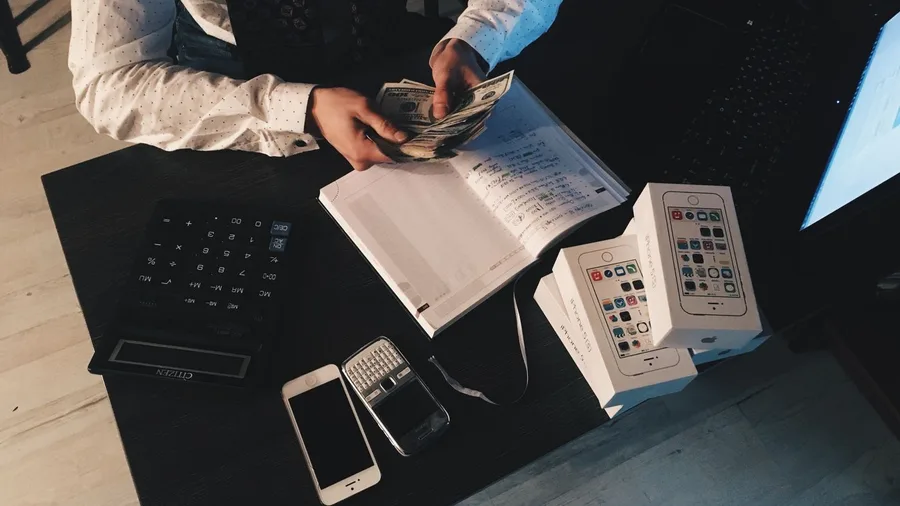
The assumption is that bookkeeping needs an accounting degree. It does not. What it needs is someone who will sort transactions, match the bank and card accounts to the statements, and hand a plumber or a salon a clean monthly report. At $60 an hour, that is usually sold as a $300 to $450 retainer.
Say a café pays $400 a month for three hours of work. That is $4,800 a year from one client at a $60 rate. Three clients like that is roughly $14,400 a year before tax, which is a real second income earned in evenings.
The entry cost is around $300: free QuickBooks Online ProAdvisor training, a $250 course, and $50 of software. The first paying client usually takes about 8 weeks, and most come from local businesses and referrals, because a retainer repeats every month instead of running once.
💡 Tip: Offer a free 30-minute cleanup of one month's books to the first three businesses you approach. That trial is the interview.
2. Freelance Copywriting

Most writing jobs pay by the word and reward speed. Copywriting pays for the result, so the rate looks different. Small brands and course sellers pay $85 an hour, or $500 to $1,500 per project, for sales emails, landing pages and product descriptions. It is the highest rate of the writing skills here, and it bills by the job rather than the clock.
The entry ticket costs about $50: a domain, a one-page portfolio, and a course. Then write three sample pieces for imaginary clients, because a real sample beats a course certificate in every pitch you will send.
Here is the move that matters. In the next two weeks, send five pitches to small brands whose sites you already read. Two weeks, five pitches, one link to your samples in each. That is the whole first step, and it costs nothing beyond the portfolio.
First paid work often starts on Upwork, Contra, or LinkedIn, where a small client can test you with one project before committing to more.
It suits people who can take edits without flinching and hear no without taking it personally. Skip it if you would rather hand the brief and the answer to someone else, because the writing is the brief.
3. No-Code Website Building
Not when a dentist or a landscaper hires you to adapt a clean template they could not set up themselves. Layout and content are what you sell; Webflow, Squarespace, and WordPress supply the plumbing.
The rate is $75 an hour, or $2,000 to $4,000 per site, and the entry cost is about $200: one template, hosting, and a domain. Everything you pay for can live on your own demo site.
That demo is the pitch, the way three written samples are for a copywriter. Build it for a made-up landscaper, put the before-and-after in front of real ones, and the first $2,000 build usually comes within about ten weeks.
Before you take on that first client, check three numbers at the ten-week mark: the total you spent ($200 is the line), how many owners replied to your demo, and what each build honestly took in hours. If two owners have paid and each site took three weeks, the rate works; if no one replied, the demo needs a sharper before-and-after, not more training.
The job is a conversation with a nervous owner showing a proof. If writing code all day is the real goal, take a different route.
💡 PRO TIP
Pick one channel, not five
Every skill below names at most two places the first client comes from. Working one channel for four weeks beats a scattershot profile on five platforms. The rule: pick the channel that matches where your buyer already looks, then pitch five to ten prospects a week.
4. Video Editing
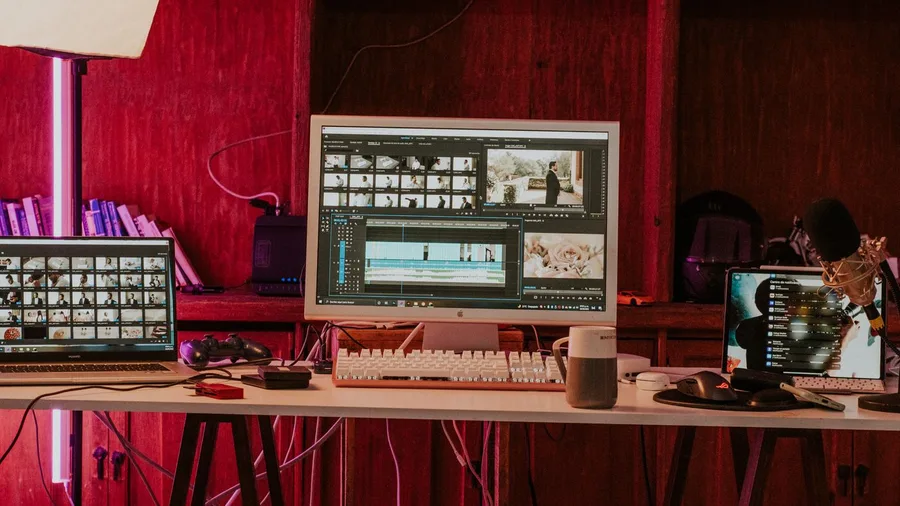
Software is not the cost here. Most beginners picture an expensive editing suite and never start, which is the mistake worth naming first. DaVinci Resolve is free and does the job.
The $400 that matters is hardware: $300 of headphones and storage, plus $100 of instruction. Edit your own footage for about 12 weeks and post two unpaid edits as a portfolio. Creators, coaches and small brands pay $250 to $600 per finished video, about $65 an hour, and Upwork, Contra or LinkedIn is where a first client shows up.
The test is simple. Can you sit alone for four hours and cut without interruption? If the work needs conversation or a quick reply to feel good, skip this one.
5. Paid Ads Management

$90 an hour. That is the highest rate on the list, and it sits one step from the edit work: the same creator or small brand pays for a set of ads next.
Here is the belief you may be carrying. Running ads is for agencies and people who spent years learning a platform. The numbers say otherwise. A beginner can learn the job in about 8 weeks using the free Google Skillshop and Meta Blueprint training.
That is a plan, not a course fee. You put in the hours, you know how an account is set up and why a weekly report matters, and the training itself costs nothing.
The client is not paying for clicks. They are paying for judgment about their own money, which is why account setup, creative briefs and weekly reporting sell as a $750 to $1,500 monthly retainer per account.
Startup runs about $500, and most of it is your own small ad spend on a test site. Now you have screenshots: real numbers, real cost per lead, real results to show a prospect. First clients come from Upwork, Contra or LinkedIn.
The shift is this. You are not claiming to be an expert. You are bringing a small account, a report and a clear number to someone who has none of those.
That also names who should walk away. If spending someone else's budget would keep you up at night, this is not your skill.
⚠️ COMMON MISTAKE
Do not let a client's ad spend be your first test
New ad managers often take on a client account with no track record and burn the client's budget learning. Run your own $500 test first, document what worked, and show that before you touch someone else's money. The fix costs less than a lost client.
6. Grant Writing for Small Nonprofits

Skip it and the gap stays a gap. Small nonprofits have budgets, deadlines and no one on staff to write a 5 to 15 page proposal, so the work sits there unfilled at $75 an hour, or $1,500 to $4,000 per proposal.
The money runs on a calendar you do not set. Funder deadlines cluster, shelters, arts groups and clinics need the package by a date, and about 10 weeks gets a beginner to the first paid proposal. Start-up is roughly $100 for a grant-writing course and access to a foundation database.
The honest cost is rejection. Plenty of proposals go unfunded, and the no arrives weeks after the work is done, whatever the quality of the writing. That is not failure on your part, it is the base rate of the field. Budget for it emotionally the same way you budget the $100.
Some people should walk away here. If an unfunded proposal you spent two weeks on would make you want to quit, this trade is expensive for you no matter what it pays. If it reads as a research problem with a deadline attached, the work suits you, and grant rounds repeat on a schedule you can plan around.
The $50-an-hour math, line by line
Assumes 15 billable hours a week at $65 an hour; returns are not guaranteed and some months are slower.
Before software, insurance and self-employment tax. Some months will be slower.
7. Appliance Repair
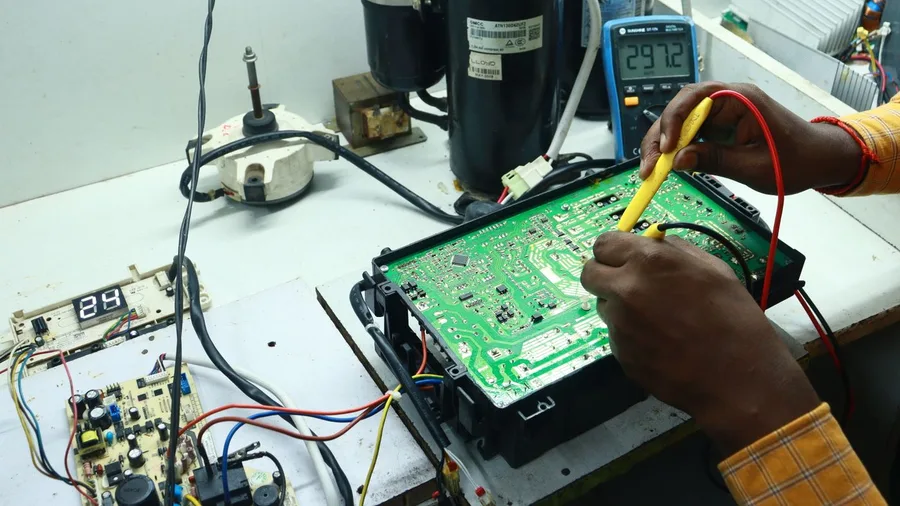
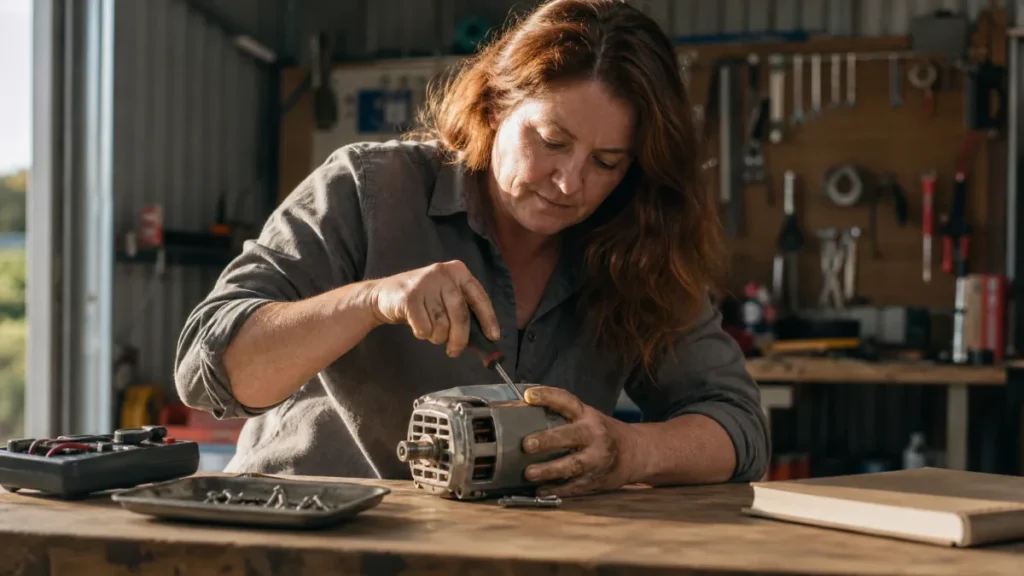
Appliance repair is a house-call trade you can learn from manuals and videos. A washer that will not drain is the deadline. Grant writing runs on foundation calendars and sits at a desk; this one puts you in a car with a toolbox and a machine that has quit. No trade school is needed to start. Your first year of learning is manuals, tear-down videos and riding along with a working tech.
The job is simple to describe. You show up, figure out why the drum will not spin or the oven runs cold, and fix it. Most visits bill $125 to $175, and the work runs about $85 an hour once you count drive time and diagnosis.
That price holds because few people do it. A hobbyist can swap a hose. Fewer will trace a control board fault on a dryer in a stranger's basement. The gap is why a working tech can charge $85 an hour with no degree behind the number.
Sixteen weeks is the honest runway. That is evenings with service manuals and free videos, then a few ride-alongs with a tech who will let you watch. You are learning the ten failures that cover most calls on the four machines people own: washers, dryers, dishwashers and ranges. Learn those and you can diagnose half the calls in ten minutes.
Tool cost is about $600. That buys a decent multimeter, nut drivers, torx bits, a meter that reads amps, and the odd manufacturer part you will keep on the truck. You need a vehicle you already own. No van, no wrap, no storefront.
The first calls come from local shops and from neighbors who talk. A busy independent tech will hand off jobs he cannot reach, and a satisfied customer tells the next person on the street. Before you print a single flyer, call your city or state licensing office. Some places want a registration or a contractor license before you advertise and invoice.
Think about the crawl. You will be on a concrete floor behind a washer, shoulder against a wall, reaching for a clamp you cannot see. Some people love that moment.
If the machine and the small victory sound like a good afternoon, the sixteen weeks will pass fast. If crawling behind appliances makes your back ache just reading this, spend the $600 elsewhere.
Appliance Repair — What the Prose Left Out
⏱️ Billable hours to $85/hr
15–20 a week
💵 Gross a month at that pace
$3,600–$7,200
📋 Unpaid admin and pitching
5–10 hrs a week
📜 License or screening
City, state, or facility
🤝 First clients from
Local shops and neighbors
Skip this if
You want a desk. This is a car, a toolbox, and a floor.
8. Home Staging

Call a working stager before you buy a single lamp. The job is dressing a house so it photographs well: rented art on the walls, throws on the sofa, lamps that warm a room the camera would otherwise read as gray. A full staging runs $800 to $2,500, and the work pays around $65 an hour. It is the quickest of these skills to a first paid job, roughly 6 weeks of practice and a three-room portfolio shot on your phone.
Start-up is about $800 of inventory plus a share of a storage unit. That is where the decision gets personal. Realtors want it done by Friday and care about the eye, not a design degree, so a stager already working in your town can tell you what local listings actually pay.
📆 From zero to first paying client in 12 weeks
Week 1: Pick one skill
Choose based on laptop-only or tool-heavy, in-person or remote, and your cash budget.
Week 2: Buy or start the one course
Do not buy a bundle; buy the single course or certification that skill requires.
Weeks 3–6: Practice on a real project
Build the demo site, the three writing samples or the two spec edits that serve as your portfolio.
Weeks 7–8: Line up two paying test clients
Offer a discounted first project to two people in your network before you quit anything.
Weeks 9–12: Pitch five to ten prospects a week
Work one channel consistently and track who replies.
Month 4: Raise the rate
Once you have two happy clients and a case study, charge the full listed rate.
9. Online Fitness Coaching
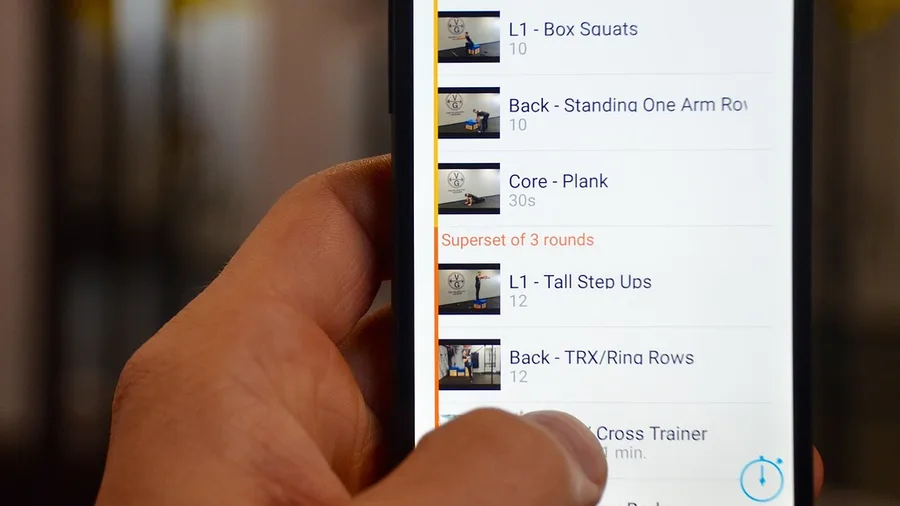
Get the certificate first. Online fitness coaching means writing training plans and checking in with clients through an app each week. Clients pay $150 to $250 a month, which works out to about $55 an hour. The path takes around 12 weeks, and the NASM or ACE certification is part of that count.
Start-up is about $900 for the certification, plus $300 to $600 a year for liability insurance. That insurance is not optional. You are telling someone how to load their knees.
This is the one certificate on the list a client will ask to see. That changes the order of your first month. Pay for the course now, before you build a website or a client list, because the certificate is the thing that turns a stranger into a paying client. Remote coaching pays less per hour than training someone in person. It also scales in a way a gym floor never will: ten online clients fit in a week that holds maybe four in-person sessions.
The work is conversation as much as programming. You will hear about a bad week, a missed workout, a vacation. If you like the accountability calls more than counting reps, this fits. If training in person is the part you actually love, skip it.
Laptop-only vs. tool-heavy: which fits your life
Laptop-only
- Bookkeeping, copywriting, no-code sites, video editing, paid ads, grant writing, data analysis
- Start-up costs $50–$500
- Work from anywhere with Wi-Fi
- First clients online: Upwork, Contra, LinkedIn
Tool-heavy or in-person
- Appliance repair, home staging, fitness coaching, medical interpreting, photography
- Start-up costs $500–$1,800
- Local clients and referrals
- May need licensing, insurance or a vehicle
10. Medical Interpreting

A short course and a language test can stand in for a health-care degree. That is the whole opening. Interpreters work in clinics, hospitals, and telehealth visits, and agencies book them one appointment at a time.
The pay is $60 an hour. Expect about 20 weeks to that first booking, counting the 40-hour interpreter course and the test that proves your fluency. Budget about $500 for both.
Clinic job listings may still name a health-care degree in the requirements. The 40-hour course often fills that slot. Check with your state and the places you want to work, and ask about any health screening they require.
11. Voiceover

Most voices never get paid to talk. Voiceover is a recorded product, not a live appointment. You read ads, e-learning scripts, explainers, and phone prompts into a microphone, and the client pays for the file, not your afternoon.
Pricing is usually per finished minute, which works out near $75 an hour in the studio. The entry ticket costs money: about $700 for a microphone, an interface, and a block of coaching.
Then come the months. Plan on 16 weeks to a produced demo, agency subcontracting for the first gigs, and likely no pay in the first month of pitching.
12. Portrait and Event Photography

One rate on this list tops $100 an hour. It comes with the largest bill. Headshots, family sessions, and small weddings pay $350 to $600 for a portrait sitting, and $1,500 to $2,500 for a wedding.
Gear runs about $1,800 for a used camera, a fast lens, and two lights. Add $300 to $600 a year for insurance. Practicing for 16 weeks and shooting two free sessions builds the images that get you hired.
You need to direct a nervous person whose collar is crooked. The referrals come from second-shooting for an established photographer first. If that step sounds beneath you, skip this one.
Jargon, decoded
13. Data Analysis with SQL and Spreadsheets

$2,000 to $4,000 per project. That is what a small e-commerce or service business will pay someone to clean up their messy sales exports, write the queries that pull the numbers they need, and build a dashboard they can actually read. The hourly rate works out to about $70 across the 16 weeks of skill-building it takes to get there, and the list strips all the way back to a laptop, two courses, and one public practice dataset you can download tonight. No gear. No insurance. No degree check.
The work itself is quiet and specific. A coffee roaster has 18 months of orders in a spreadsheet with three different date formats and duplicate customer names. You clean it, write SQL queries to answer simple questions like which blend sells out first and which wholesale account keeps ordering the same thing, and build a one-page dashboard in a free tool. The owner looks at it once and knows something they did not know that morning.
The teaching tools cost around $150 total for two courses and the practice dataset. Free SQL and spreadsheet material covers the foundations, though the paid versions move faster and come with exercises that stick. There is no employer in this field who asks to see a diploma, because the work product is the credential. You show a dashboard you built from a public dataset and that is the interview.
Sixteen weeks is the realistic build from zero to a first paid project. Spend the first eight on the SQL basics and the spreadsheet functions that handle real-world messes, then six weeks building two portfolio pieces from public data – one about a retail shop, one about a service business. Leave the last two weeks for pitching and the first discovery call. The timeline assumes about ten hours a week, which is a full evening plus a Saturday morning.
Your first clients come from Upwork, Contra, or LinkedIn, in roughly that order of ease. On Upwork you will bid low at first to get two or three reviews, then raise your rate. Contra is smaller but warmer and lets you build a public profile without the race to the bottom. LinkedIn is where you find the small-business owners who post in operations groups about reports taking too long.
Sixteen weeks of study and a $150 entry cost still mean paying yourself nothing in the meantime, and that is a trade worth naming. The laptop-only route carries no insurance bill and no vehicle, which is why the startup figure lands this low compared with the work that needs gear. The one cost that does not show up on the invoice is the ten hours a week you are not billing at your current job.
This suits people who already like a spreadsheet and can sit with a vague question long enough to find the real one. A client will say their reports look wrong, and the actual problem might be a duplicated category or a currency mix-up. If you need a clean brief before you can start moving, this will feel like guesswork.
The one move for this week: buy the two courses and download a public dataset, spend the first hour running a single query. Then line up two paying test clients before the money is gone. The choosing rule holds here as it does for every skill on this list – is this laptop-only or tool-heavy, remote or in-person, and what cash and calendar time can you risk?
Frequently Asked Questions
Do I really need a certificate for any of these?
Only three of the thirteen are certificate-based: the QuickBooks Online ProAdvisor for bookkeeping, a 40-hour course for medical interpreting, and NASM or ACE for fitness coaching. None are degrees; confirm current prices with the provider.
How many hours a week does this take before it replaces my job?
Expect 15 to 20 billable hours a week plus 5 to 10 unpaid hours for admin and pitching. Start with one skill and two paying test clients before you cut any hours at work.
What if I have no portfolio or references?
Make three spec pieces for imaginary clients, or do two discounted projects for people you know. The first client rarely comes from a cold pitch; it comes from a sample that shows you can do the job.
Can I do this while working full time?
Yes, most people do. Treat the first 12 weeks as a part-time evening project: one course, one portfolio piece, and five to ten prospect conversations a week.
Which skill is fastest to a first paycheck?
Home staging at about 6 weeks if you have a car and a good eye. Bookkeeping and paid ads are about 8 weeks, but bookkeeping is the most repeatable because it is a monthly retainer.
Turn thirteen options into one skill you start this week
Thirteen options come down to three cuts. Laptop-only or tool-heavy. In-person or remote. And how much cash and calendar time you can risk without touching rent. Whatever survives those three cuts is your skill.
Expect two to four months of pitching 5 to 10 prospects a week before the book fills. No single client fills a working week, so plan for several.
The closed tuition door was never the barrier. Choosing a rate package and paying its entry cost is the barrier, and that is a decision, not a degree.
So do this in the next seven days. Choose one skill, buy or start its one course or certification, and line up two paying test clients before you spend the money. Then put the first invoice next to that $212 insurance bill, and let the calendar carry it from there.
Pick one skill and start this week
Scroll back to the table at the top, choose the row that fits your cash and calendar, and start its one course today. Then line up two paying test clients before you spend another dollar.