
A contract invoice goes out at $100 an hour for 15 hours, and the money that lands is $1,500.
The work behind it ran longer. Finding the client, scoping the job, admin and revisions can turn 15 billable hours into 20 worked hours. That is $75 an hour, not $100.
Your $1,500 to $4,000 a month depends on that gap.
The posted rate is not the pay. The credential, the setup cost, the unpaid admin and the calendar the job eats decide what you really earn.
So the choice is narrow. Which part-time job clears your monthly target inside 10 to 20 hours, after the work nobody pays you for? And which one still leaves you free time?
By the end you can rank all 14 options by real pay and fit. You can name the credential or the smallest paid test that proves fit. And you can start one license check or test project this week.
| Job | Typical rate | Weekly hours | Setup or credential | Main catch |
|---|---|---|---|---|
| Contract software fixer | $85–$125/hr | 10–15 billable | Portfolio, 2 references, paid test task | Admin can eat a quarter of the calendar |
| Locum nurse practitioner | $85–$115/hr | 24–32 in two-week stretches | Active state NP license | Travel and housing come off the rate |
| Per-diem RN | $55–$80/hr | 2–3 twelve-hour shifts | RN license, BLS card | Cancellations are unpaid |
| Freelance UX designer | $70–$100/hr | 10–15 billable | 2 case studies, portfolio | Revision rounds stretch hours |
| Medical writer | $65–$95/hr | 10–15 billable | 2 samples, clinical vocabulary | Review rounds delay payment |
| Grant writer | $55–$85/hr | 10–20, deadline-clustered | 2 proposal samples, reference | Research and rejections unpaid |
| Corporate trainer | $50–$90/hr | 16 billable/month | Sample deck, demo, network | You sell the work yourself |
| Legal and medical translator | $45–$75/hr | 8–15 | Fluency, samples, certification | Work arrives in bursts |
| Dental hygienist | $42–$58/hr | 16–24 | State hygiene license, CE | Office sets the days |
| Freelance paralegal | $40–$60/hr | 10–20 | Certificate or law-office experience | Deadlines compress hours |
| Certified bookkeeper | $40–$65/hr | 11–17 across 6 clients | Bookkeeping certification, software | Unbilled receipt-chasing |
| Test-prep tutor | $45–$85/hr | 6–12 evenings or weekends | Strong scores, background check | Unpaid cancellations |
| Video editor | $45–$75/hr | 10–15 before launches | Reel, software fluency, sample edit | Launch crunches run late |
| Mobile notary and signing agent | $75–$150 per signing | 5–10 signings | Commission, background check, printer, car | Drive and print time unpaid |
1. Contract software fixer for small teams

This is the move with the highest ceiling and the highest leak.
Small teams pay $85 to $125 an hour for someone who can walk into a mess and fix it, at 10 to 15 billable hours a week. Twelve billable hours at $100 is $1,200 gross weekly, $4,800 across four weeks before software, insurance and self-employment tax. But client hunting, scoping calls and admin can eat a quarter of your calendar. Twelve billable hours inside a 16-hour worked week: $4,800 divided by 64 worked hours is $75 an hour effective.
A portfolio, two client references and one paid test task come before any retainer. Count the software and portfolio costs before you quote. Developers with a niche and shipped work clear that bar; bootcamp beginners rarely do, and the free time only survives if the admin quarter stays in your control.
💡 Tip: Quote a fixed scope with a set number of revision rounds. The rate only holds when the boundary is in writing.
Four ways part-time pay quietly shrinks
2. Locum nurse practitioner on two-week stretches

Block work has a ceiling too.
The locked-on belief is that a clinic will not hire help for scattered part-time hours. In locum work it hires in two-week stretches instead. Run 32 hours at $100 an hour across the stretch and you gross $3,200, on a schedule that never needs more than 24 to 32 hours a week. That is the same high-ceiling, high-setup trade a portfolio-for-hire contract carries, only the setup here is an active state license and a willingness to travel.
The gap is in the calendar. Housing and travel come off that $3,200, and the stretches move. A stretch can lose several hundred dollars to a rented room and a flight before tax touches it. Then the weeks come back empty, which is real free time, but it arrives in blocks.
💡 Tip: Ask whether housing is provided before comparing two offers. It is often worth more than a $5 difference in rate.
3. Per-diem registered nurse, two shifts a week

$1,300 to $1,900 a week.
That is what two 12-hour shifts as a per-diem nurse clear at $55 to $80 an hour, before expenses. When a two-week stretch costs too much in travel and rent, the same license can be sold in smaller pieces, close to home.
Do a quick check against your own target. Two shifts a week is $5,600 to $8,200 a month gross, which sits well above the top of a $1,500 to $4,000 goal. Three shifts take you further. The math only holds for shifts that actually fill. An unfilled shift is unpaid, and last-minute cancellations move the number.
Yolanda, 47, makes this concrete. She is an illustrative example, not a real client. She keeps her RN license and a current BLS card, drives 25 minutes to a nearby hospital, and plans two 12-hour shifts a week around her mother's care schedule.
Her worst month lost one shift to a cancellation. Her best month added a third. The difference was about $660 before tax, and no schedule on paper could promise which one she would get.
That is the point where an accountant or a fee-only fiduciary earns the fee. If a retirement gap is the bigger worry, these moves can still close it. closing a retirement gap at forty-five pairs well with a part-time plan. Say the numbers out loud: the license and continuing education costs, the childcare or caregiving you need covered on shift days, the loss of benefits, and what two or three fixed 12-hour blocks do to your week. Someone who knows your full tax picture and family load can tell you whether two shifts pay enough in your state.
The free time here comes in fixed blocks. Two 12-hour shifts a week leave the rest of the calendar open, but not the predictable Monday-to-Thursday a standard part-time week would give you. If caregiving or another job needs those specific days, run the schedule on paper first.
Jargon, decoded
4. Freelance UX designer on retainer

A per-diem nurse clears a real rate because a state license does the selling. A UX designer has to do it with a portfolio. No license, no board exam, just proof that a product team hired you and shipped what you drew.
A retainer pays $70 to $100 an hour for 10 to 15 billable hours a week. At $100 an hour, 10 billable hours is $1,000 a week before expenses. That covers most of a low target, but the number on the invoice only counts hours spent on the work itself.
Before any of that, the setup costs money and time. Two case studies, two people who will vouch for you, and software for the mockups. A short paid sprint comes first, usually at a lower rate, so the team can test how you work. Check those costs before you quote.
The unpaid hours are where this gets honest. Revision rounds and small requests that fall outside the agreed scope can stretch 10 billable hours into 15 worked ones. Run the $100 across 15 hours and the effective rate drops to $66.67. The rate didn't change; the week did.
Yolanda, 47, is an illustrative example, not a real client. She had a portfolio and one industry she knew well. She quoted $95 an hour and capped her work at 12 hours a week. Two revision rounds later, she raised her retainer and wrote a scope limit into the contract. It still fit her evenings.
Skip this if you would be bidding against thirty other designers in a crowded marketplace with no niche. Yes, it can pay real money rather than beer money. Take the retainer when the scope is bounded; leave it when the scope is a suggestion.
💡 Tip: Put the number of revision rounds in the retainer agreement. Most scope creep is a missing sentence, not a bad client.
What a $100 rate really pays
Assumes 12 billable hours from a 16-hour worked week; before expenses and self-employment tax
Rates are an illustration, not a promise; some months bill less.
5. Freelance medical writer for clinics

The assumption is that medical copy needs a medical degree. It doesn't. Clinics and device firms hire writers who can read a clinical paper and turn it into a page a patient understands. A health, science, or nursing background gives you that vocabulary, and no license is required.
The niche matters more than a generalist portfolio. Bounded scope is the whole lesson from the design retainer. A clinic that knows its patient-education piece needs nine pages will pay $65 to $95 an hour. At $80 an hour, 12 billable hours is $960 for the week.
The setup is two writing samples. Make one of them a clinical or patient-education piece and be ready to sit through a subject-matter interview with a nurse or doctor. Two solid samples move you up the clinic's list faster than samples you already sent a design team.
Why now? Regulatory review comes after the draft, not before it. The clinic's compliance team reads every line and sends it back for changes. Two review rounds on a 12-hour piece can push the effective rate under $65 an hour. The writer who learns to shorten those rounds by asking for the reviewer's rules up front starts saving time this month, not next year.
💡 Tip: Build review time into your quote rather than charging for it afterward. Clients accept it upfront and argue about it later.
💡 PRO TIP
Convert every rate to effective pay first
Take the posted rate, multiply by billable hours, then divide by total worked hours including admin, travel and revisions. Any job whose effective rate falls below your target is a hobby with paperwork.
6. Grant writer for small nonprofits

You start with a small organization that has a program but no full-time grant writer. Two proposal samples and one reference from a small nonprofit will carry you further than a resume listing the word development.
Pay runs $55 to $85 an hour for 10 to 20 hours a week. The hours cluster before a deadline, so a 20-hour deadline week at $70 an hour is $1,400 gross. Those deadline weeks are real money. The weeks between deadlines are not.
The setup is two things. First, two proposal samples you can show a board. Second, program staff who will give you the data and the budget detail. The writer's job is to turn their numbers into a fundable argument, so ask for the raw data early and ask in writing.
Here is the mistake people make. They write a proposal for $70 an hour and spend six unpaid hours researching the funder first. Those six hours are invisible on the invoice, but they are on the calendar.
Add them up. Six unpaid research hours on that 20-hour week turn $70 an hour into $53.85 across 26 worked hours. The fix is not shame and it is not extra hustle. Count research time in the quote, and cap how many prospects you chase for one deadline.
Rejected proposals are the harder cost. A small nonprofit's success rate on grants is low, and the writer is usually not paid if the award never comes. Build the fee around the writing and the deadline, not around a promise of the money arriving.
This one suits writers who like deadlines and are willing to chase staff for figures. The calendar stays uneven. Free time comes back between each deadline, and it is real free time, not a lull you can count on for regular hours.
💡 Tip: Charge a kill fee for proposals you write that the board drops. It is a normal clause and it filters out the organizations that waste your season.
7. Corporate trainer for half-day workshops

Teaching a room is scheduled work, but selling the session is not. Skip the selling, and the calendar looks empty when the workshops dry up. A trainer with one great deck and no manager contacts books nothing, and the setup money – the sample slides, the demo recording, the afternoon of practice – buys a skill that never reaches a paying room.
Book the work and the trade reads well. A half-day session makes four billable hours, and $70 an hour across four sessions a month comes to $1,120 gross. Turn that into a rough monthly figure at eight sessions a month and it doubles near $2,240, which is why the rate can clear a modest target in a part-time schedule.
The hidden cost sits between the sessions. Before the first paying half-day, most new trainers send tailored proposals for no pay, drive to a site, and set up a room that a manager booked – and then find no-shows leave the afternoon empty, with no fee to bill.
The other side of the calendar is quieter. Managers talk to each other, and one good half-day at a firm sells the next three, so free time outside the sessions often shrinks into proposal-writing hours rather than growing back.
Check this one at the three-month mark. Count paying sessions booked, proposals sent that closed, and the number that fell through, and keep them where you can see them. If proposals close less than one time in three, raise the fee or narrow the specialty before spending more on the workshop itself.
💡 Tip: Sell the workshop to one team first, then reuse the same deck for the next buyer. Building a new deck per client is where the rate dies.
8. Legal and medical translator

Price one certification test before you pay for it. Legal and medical translation pays $45-$75/hr for 8-15 hours a week, and 10 hours at $60/hr is $600 gross weekly before expenses. Add up the certification cost, then ask how many weeks of that $600 it takes to earn it back.
The setup is real: native or near-native fluency, two samples, a sample test, and the discipline to keep confidential documents quiet. Legal, medical or technical vocabulary is what turns a bilingual professional into a specialist a firm will pay.
The hours do not arrive evenly. Work comes in bursts, and a 20-hour filing burst is 20 worked hours in one stretch, not a steady 8-15-hour week. Sensitive documents cannot be discussed, which rules out the usual way freelancers find the next client.
Effective pay only improves when the quiet weeks are filled or the burst premium is high enough to carry them.
This week, send two sample translations to one agency and ask its per-word rate and turnaround in writing before you sit the certification. The number they quote decides whether the credential pays for itself.
💡 Tip: Price rush filings at a premium. Burst work is where translation money is made, and the premium is what pays for the quiet weeks.
Licensed part-time work: worth it or not
Worth the credential
- Hygienist at $42–$58/hr with 16–24 hours a week
- Per-diem RN at $55–$80/hr, two 12-hour shifts
- Low unpaid admin once the license is in hand
- Hours fixed to the employer's open days
- No client hunting, no proposals
Skip the credential
- Clinical licenses need renewal and continuing education
- Cancelled shifts pay nothing
- Travel and housing come off locum rates
- You do not control the schedule
- The setup cost takes months to earn back
9. Part-time dental hygienist, two days a week
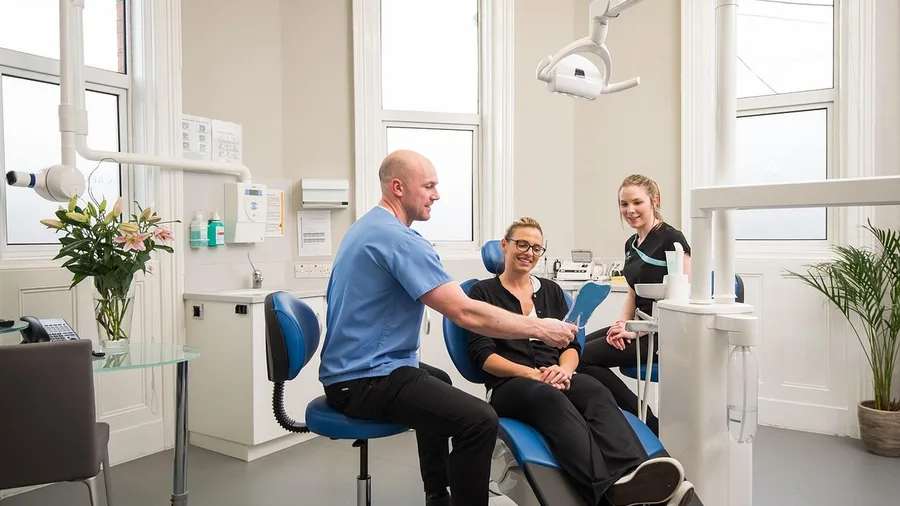
Two days a week, fixed.
At $50/hr, two 8-hour days come to $800 gross weekly, about $3,200 a month before taxes. Three days at $58/hr is $1,392 weekly, roughly $5,500 a month. The math is simple because the schedule is: a state hygiene license, continuing education, and hours the dental office sets.
That predictability is the trade. There are no benefits, the work strains your hands and back, and a closed office or unfilled day cuts the pay with no notice. Check license and CE costs before choosing. If you want hours you can plan a month ahead, few part-time jobs on this list are this steady.
💡 Tip: Ask about a guaranteed minimum number of booked days per month before signing on with an office.
10. Freelance paralegal for small firms
Freelance paralegal work pays $40 to $60 an hour. Fifteen hours at $50 is $750 a week. The office does not set your schedule. Clients do, and each one has a filing deadline.
Setup is a paralegal certificate or documented law-office experience. Remote work adds one more cost: keeping client files private on your own machine.
The catch is the slack. Court deadlines, attorney review, and confidentiality leave little room, and a filing can push 15 hours into nights and weekends.
💡 Tip: Document your experience in writing. A paralegal certificate costs money; a signed letter from a supervising attorney stating your duties costs nothing.
11. Certified bookkeeper with six small clients
$2,800 a month is six small clients at 10 hours each, billed at $50 an hour, and it lands in about 14 hours a week.
The case for starting now is that bookkeeping is a repeating monthly cycle, not a burst of deadlines. Each client hands over the same categories every month, so the second month takes less time than the first, and the third less again. Starting this month means the work gets easier by spring rather than harder.
The catch hides in unbilled time. Chasing receipts and month-end crunches do not show on the invoice, and two unbilled hours a week on a 14-hour schedule cuts the effective rate by more than 10 percent. At that point a $50 rate behaves like $43.
Setup is a bookkeeping certification, accounting software you know well, and a reference list you can hand a nervous small owner.
The fit is detail-focused people who like seeing the same clients every month, because the monthly close gives repeatable free time on the other three weeks.
💡 Tip: Set a receipt deadline five days before month-end and put it in the engagement letter. Late receipts become a line item, not your problem.
⚠️ COMMON MISTAKE
Do not compare posted rates
A $125 hourly rate with 30% unpaid admin is $87.50 effective. A $60 rate with almost no unpaid admin is $60 effective and far less of your week. Compare the second number, never the first.
12. Test-prep tutor for SAT and ACT

Tutoring pays by the booked hour, and an unbooked hour pays zero.
The common mistake is planning around the posted rate. Ten hours a week at $60 is $600 gross, but demand clusters before test dates, and a canceled evening slot cannot be refilled at the last minute.
The fix is to sell packages and book a month ahead. The setup is strong SAT or ACT scores, a background check, and a sample lesson, and the real skill is explaining one concept five different ways.
Weeknights stay open. Weekends fill as exam dates get close.
💡 Tip: Charge a small deposit for the first session. It reduces no-shows more than any reminder text.
13. Freelance video editor for course creators
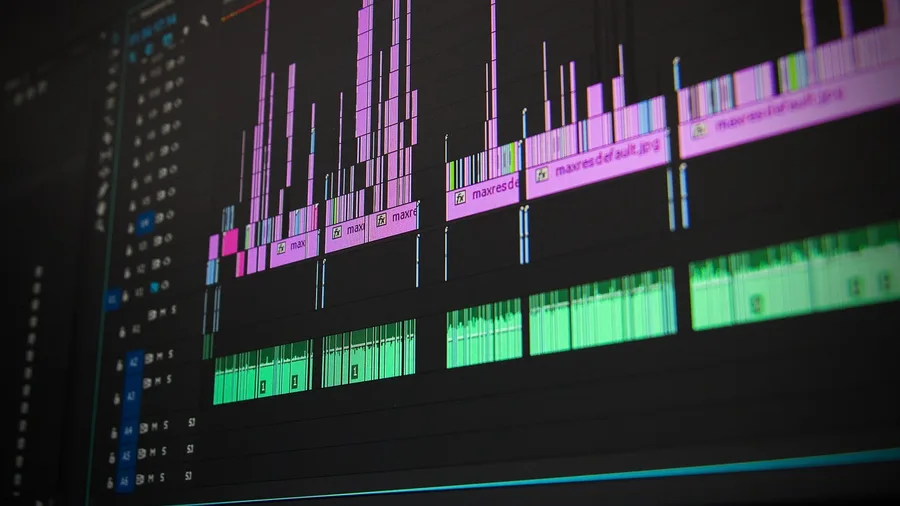
The myth is that course videos are steady work. They are not. Course creators hire editors in bursts, batched around a launch date. Then the calendar goes quiet for weeks.
The posted rate is $45 to $75 an hour for 10 to 15 hours a week. During a launch, 12 hours at $60 comes to $720 gross. That number is real. It is also the peak of the month, not the floor.
Setup costs little to check. You need an editing reel, fluency in the software, and one paid sample edit. That sample is the real screening test. Creators watch how you cut and whether you can match their voice.
Then the catch arrives. Two revision rounds add about 6 hours to the 12 you quoted. Suddenly $60 an hour across 18 worked hours is $40 an hour. Roughly a third of the rate is gone, and the loss lands in late nights before launch.
The visible hours are 12. The worked hours are 18.
This is why the job suits editors who can hit a launch date without needing the calendar to be even. Free time is real between launches. During the crunch, it is gone, and the launch date does not move.
One editor made this concrete for me. Yolanda, 47, took a launch contract at $65 an hour for 14 quoted hours. Two revision rounds turned it into 20 hours. Her effective rate fell to $45.50, before the note that she had not priced the revisions in.
That is the trade. You sell production on someone else's deadline, and the rate only holds if you quote revisions as paid time. Budget them at the start, and the $45 to $75 survives. Skip that step and the crunch eats it.
14. Mobile notary and loan signing agent
About five to eight, once the fee is high enough to cover the road time.
The belief is that the per-signing fee is the pay. The numbers say otherwise. Printing the package, driving to the borrower, and scanning the signed papers all come out of that fee. A $100 signing takes about 1.25 hours at the table. That is $80 an hour before the unpaid drive and the print. Drive 30 minutes each way and the same signing lands nearer $50 an hour.
Setup is small but real. A notary commission, a background check, a printer, and a reliable car come before the first signing. Check the cost of each before you commit.
It still works if the signings are stacked in one area and priced well. Eight signings at $100 is $800 gross weekly. Organised people with a car and daytime free hours fit this best.
The shift is to count the fee as pay for the whole trip, not the table time. Do that and the free-time promise stops hiding the drive.
🗓️ Pick one job and test it in four weeks
Set your target number
Write down the monthly figure you need — $1,500 to $4,000 — and the weekly hours you will actually give.
Check the credential cost
Price the license, certificate or software before you pick, and divide it by your target to see how many weeks it takes back.
Run the smallest paid test
One sample edit, one paid sprint, one trial workshop — get paid once before you commit to a season.
Time a real week
Log every hour, billed and unbilled, for seven days so you can compute the effective rate.
Compare against the target
If effective pay clears your number and the calendar still has gaps, take on a second client; if not, move down the list.
Frequently Asked Questions
How many hours a week can I work part-time and still keep my free time?
Ten to twenty worked hours is the realistic band, and that includes unpaid admin. If a job needs 12 billable hours, expect a 16-hour week. Anything that consistently runs past 25 hours is a full-time job with a part-time title.
Do I need a certificate for the higher-paying jobs on this list?
For the clinical roles, yes — an active state license plus continuing education. For software fixing and UX design, a portfolio and two references do the work a certificate would. For bookkeeping and paralegal work, a certificate or documented law-office experience gets you in the door.
What is an effective hourly rate and why does it matter?
It is your total pay divided by every hour you worked, including quoting, revisions, travel and admin. It matters because the posted rate is fiction until you divide it. Always compute it before you compare two jobs.
Can I do any of these while keeping a full-time job?
Writing, tutoring, bookkeeping and video editing fit around a day job because the hours are evening or batched. Locum clinical work and signings need daytime availability. Start with one client or one booking and see what the week actually feels like.
How do I handle taxes on part-time self-employment income?
You pay both halves of Social Security and Medicare tax, plus income tax, and none of it is withheld. Set aside roughly a quarter to a third of each payment in a separate savings account and make quarterly estimated payments. Check the current IRS figure for your situation or ask a CPA.
Which job on this list has the least unpaid admin?
The dental hygienist role and the per-diem nursing shifts, because the employer handles booking and billing. The trade is that the office sets your days. Freelance work pays more per hour and asks you to spend part of the week selling.
Rank the fourteen by what the calendar earns, not the rate card
On real hourly pay, after admin and setup, three jobs lead. Contract software fixing comes first. The admin leak runs about 25%, so $85 to $125 an hour works out near $75 effective. Locum nurse practitioner is second, at $85 to $115 an hour, with travel and housing as the leak. Per-diem registered nursing is third, at $55 to $80 an hour, with empty shifts as the leak.
Choose by your situation. If you are already a licensed clinician, locum NP pays for block travel. Per-diem nursing or two days of hygiene gives you local hours you can plan. If you have a technical portfolio, try software fixing first, then a UX retainer. If you write or teach, look at medical writing, grant writing, corporate training, translating, test prep or video editing. If you hold no credential yet, start with mobile notary work or test-prep tutoring.
The $100 rate does not beat a $55 rate. Not when client hunting, revisions, travel and admin eat the gap. Free time is the calendar left after unpaid work, not the hours on the rate sheet.
This week, take the job that fits you best. Then finish its smallest paid test. For software or UX, that is a paid trial task. For NP, RN or hygiene, price your state license check. For writing, training or video, send one sample. For signing work, start the notary commission and background check. The invoice is already out. Make the rate behind it real.
Compute your effective rate before you say yes
Take the job you are considering, multiply the rate by billable hours, divide by every hour you would actually work, and compare that number with the table above.