
$25 is what one 30-minute drop-in visit pays, and it is the number most people stop at.
In a month, a handful of visits adds up to a few hundred dollars. That is real money for an animal lover with spare evenings.
Six visits a week come to about $650 a month before fees. The app platform takes 20%, which leaves about $520 in your hand.
From there it only shrinks. Startup runs about $270 in year one. Each visit takes 45 minutes door to door. Cancellations and taxes take a cut too.
Pet sitting can genuinely add a few hundred dollars a month. The catch is that $25 is a gross price. Your spendable net is smaller.
So the question is not whether the price looks good. It is whether the net, after fees and driving and the weekends you give up, still beats how else you would spend that time.
The path is simple. Estimate your real hourly pay from a written log, then run a 30-day test with three clients before you treat this as income.
| Booking source | Fee taken | Typical wait for first client | Best for |
|---|---|---|---|
| App platform | 20% booking fee | Days | Fast scheduling and first requests |
| Neighborhood referral | None | 2-4 weeks | Repeat local clients and higher margin |
A $25 drop-in visit is the basic unit

One visit pays $25, and one overnight pays $60. Pet sitting has no salary and no hourly wage. Your income is a count of jobs, and each job has its own price tag.
A 30-minute drop-in is the smallest unit. You let the dog out, refill the water bowl, scoop the litter, and leave. That visit is $25. An overnight, where you sleep at the client's home, is $60. Add a second pet to either job and $10 goes on top. A holiday overnight jumps to $80.
Put two nights side by side and the gap shows up. One ordinary overnight at $60 and one holiday overnight at $80 are the same work, in the same house, with the same dog. Peak demand prices that night $20 higher. The calendar is part of the rate.
Then look at what the $25 actually is. It is money before the app takes its 20% fee. It is also money before you count the trip: a 30-minute visit runs about 45 minutes from your door back to your door, because the drive, the parking, and the key handoff all take time. So one drop-in is not $25 of spendable pay. It is a gross price attached to roughly 45 minutes of your evening.
Six drop-ins a week net about $500

Weekly income is just visits times price. Six drop-ins a week at $25 comes to $150 gross, which works out to about $650 in a month.
The app takes its cut before you see the money. A 20% platform fee pulls $130 out of that $650, leaving about $520. That $520 is net before gas and supplies. It is not take-home pay yet.
Overnights add on top. Two overnights a month at $60 bring in $120 gross. After the same 20% fee, the $520 and the $96 combine to about $616 net before expenses. So a part-time load lands near $500 to $600, and that is the ceiling before driving and taxes.
Here is the part that changes the picture. Six visits at 45 minutes door to door is about 4.5 hours a week, before you count scheduling texts and meet-and-greets. Divide $520 by roughly 18 hours a month and effective pay lands near $29 an hour. Nice, until gas and taxes come out.
The number moves with every choice you make. More visits raise gross pay, but each one adds a drive. Farther clients raise the price per visit, not the pay per hour. That is why the count of visits and the minutes between them decide what the month is really worth.
The monthly math, step by step
Assuming a 20% app platform fee and six drop-in visits a week at $25.
Rates and fees are typical; your area may vary. This is not a guarantee of income.
Startup costs are small but not zero
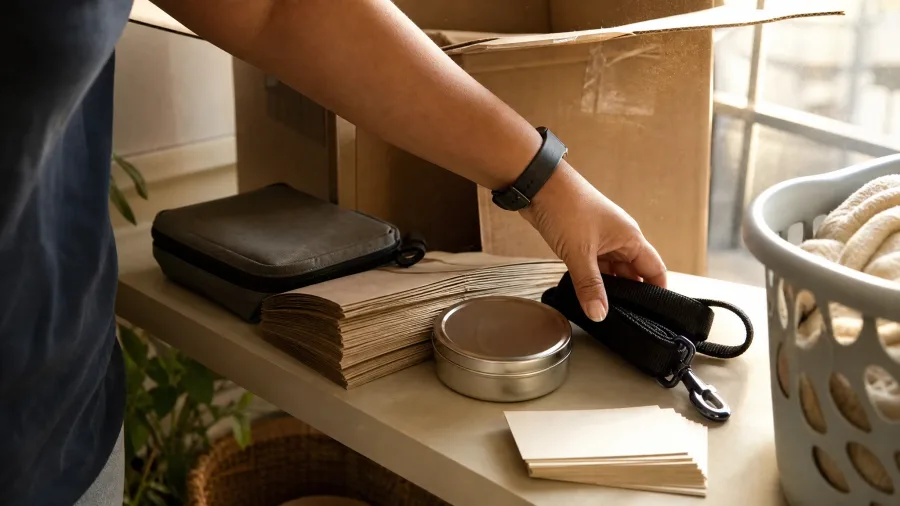
That net still sits above the first-year setup bill. Before the first visit pays you, you buy four things: annual pet-sitter liability insurance, a background check, basic supplies, and flyers and business cards.
The bill adds up quickly. Insurance runs $150 for the year, the background check is $30, supplies are $50, and flyers with business cards come to $40. That is about $270 to get started.
Ongoing costs sit on top. Gas to reach clients and restocking supplies run about $20 a month, which does not touch the $270 but does eat into every month after.
Now divide the setup back out at the unit price. At $25 a drop-in, about 11 gross visits cover the $270. After the 20% fee takes its cut, it takes about 14 visits. Your first two or three weeks of bookings are paying for the gear and paperwork, not adding to the monthly net. That is the honest order of things, and it means a slow first month is not a failure. It is the setup being paid off.
💡 PRO TIP
Cover startup with two weekends
Book eight drop-ins over two weekends at $25 and you cover about $200 gross, close to your first-year insurance and background check. That gets the fixed costs behind you before you chase profit.
Holiday weeks pay more and wear you out

Peak demand is where the overnight rate climbs, but it climbs on the days you most want to keep. A five-day holiday booking at $80 a night brings $400. The same five days at the normal $60 rate brings $300.
That $100 gap is the holiday premium, and it lands in the weeks clients travel and you would rather be off. Thanksgiving, the winter holidays, the long summer weekend: that is when the requests arrive, and that is when the calendar fills.
A peak week is not one easy night. It is multiple visits a day, some of them back to back, with the schedule built around what the clients need rather than what you planned. The animal money is real. So is the standing in a cold kitchen at 6 a.m. before your day job.
This is the trade a day-job employee has to weigh plainly. The net per night is higher in a holiday week, and that is exactly why those nights are worth counting carefully. But the hours pile up on the days you would otherwise protect, and lost holiday time is a real cost that belongs in the effective hourly number.
So a holiday week can be the best-paid stretch of the year and still be a bad deal for you. Write down the $100 premium, then write down the hours it took. The gap between them is your answer.
Same 5 nights, after the fee
Normal week
- $300 gross minus 20% app fee = $240 net
- $40 less gas and supplies over 5 days = $200
- Works out to about $9 an hour door to door
Holiday week
- $400 gross minus 20% app fee = $320 net
- $40 less gas and supplies over 5 days = $280
- Same visit hours, so about $12.80 an hour
The job is mostly routine, not cuddles

Most of a visit is chores. You feed, refill water, walk, scoop litter, give medication if there is any, wipe a counter, and write a note back to the owner. The cuddles happen too, usually for a minute at the door on the way out.
Then there is the driving. A 30-minute visit runs about 45 minutes door to door once you count the drive over, the key, the pet care, the lock-up, and the drive home. Six visits a week use about 4.5 hours of your time, plus the messages to schedule them.
That $150 gross week is hands-on work. Take out the 20% platform fee and the gas, divide by the door-to-door hours, and the effective rate is well under the $25 visit price.
Weekends and holidays are when clients travel. Those are the hours a day-job employee usually protects, and this side hustle spends them.
🕒 What a typical visit actually looks like
Drive to the client's home
Allow 10-15 minutes each way depending on distance.
Feed and refill water
Follow the owner's written instructions exactly.
Walk or playtime
A 10-15 minute walk or play session for dogs; cats get play or quiet company.
Clean litter or accidents
Scoop, wipe surfaces, and bag waste.
Medication and notes
Give any meds and write a short update for the owner.
Lock up and drive home
Double-check doors, lights, and keys before you leave.
Cancellations and difficult pets cut the take

The risks that cut your pay are the ones you cannot schedule around. A client cancels the morning of the visit and the slot is gone. You keep the fee for that day but lose the booking, and the free hour is now on a Saturday someone wanted you home for.
A nervous dog or a cat that needs daily medication is a different cost. A 30-minute meet-and-greet before the first booking settles the scope, the emergency vet contact, and how the animal behaves when the owner is not in the room. Skip it and the first visit is the test.
A written cancellation policy sets the terms in advance. It says how much notice a client owes you and what happens to the fee.
Injury is the number that can beat the whole rate. One bite or a scratched door can cost more than a $25 drop-in or a $60 overnight repays, which is where liability insurance earns its place.
Expected pay, after cancellations and animal risk, is the figure that decides this side hustle.
⚠️ COMMON MISTAKE
Skipping the meet-and-greet
Booking a pet you have never met is how bites and escapes happen. Spend 30 unpaid minutes with the animal and the owner before you accept a single paid visit.
Insurance and a contract protect your side hustle
The policy and the contract are your minimum shield against the bite, the broken lamp, and the client who cancels from the airport. Neither is optional once you carry a key.
A pet-sitter liability policy runs about $150 a year. That covers damage and injury claims arising from the visits, the kind you cannot pay out of a $25 drop-in.
Count the visits that pay for it. At $25 a visit, six gross drop-ins cover the $150, and that is before the 20% platform fee takes its cut. So the policy is not abstract. It is roughly your first six bookings of the year, spent before you earn a spendable dollar.
The written contract sets the terms the policy cannot. Put the dates, the number of pets, the visit length, the key handover, and what happens if the client cancels inside 48 hours. A clean, one-page agreement keeps a dispute from turning into a lost fee or a small-claims trip.
Rules vary by state and city. Some places ask for a business license or restrict home-based work. Check yours before you book, not after.
Insurance does not replace the 30-minute meet-and-greet. That visit is where you write down the medication schedule and the emergency contacts. You also see the dog before you commit.
A policy covers the claim. The contract and the meet-and-greet stop most claims from happening.
Taxes turn gross pay into net pay

You owe income tax and self-employment tax on that money. The self-employment piece is the larger surprise for new sitters. It adds about 15% on top of ordinary income tax, and it goes toward Social Security and Medicare.
The $616 from six weekly drop-ins plus two overnights is before gas, supplies, and taxes. It is gross taken down by a fee, not take-home.
Track every mile, fee, supply, and insurance payment all year. The platform fee is a cost you deduct, and the miles you drive between visits add up to real money at the standard mileage rate.
At tax time you file Schedule C for this work. Quarterly estimated payments may apply once the profit is steady. Confirm the filing details with the current IRS Schedule C instructions rather than guessing.
A monthly log of five things is enough. Write down hours, gross pay, platform fees, gas, and supplies. Snap a photo of the receipt for the leash, the litter, the spare key.
A shoebox of receipts is what gets money left on the table. Pair that log with the debt payoff plan a teacher used and see how steady months beat one big win. A log takes two minutes a month and gives your 30-day test its real bottom line.
Log the hours, and the log tells you whether the weekends paid.
Jargon, decoded
Neighborhood clients beat app fees sometimes
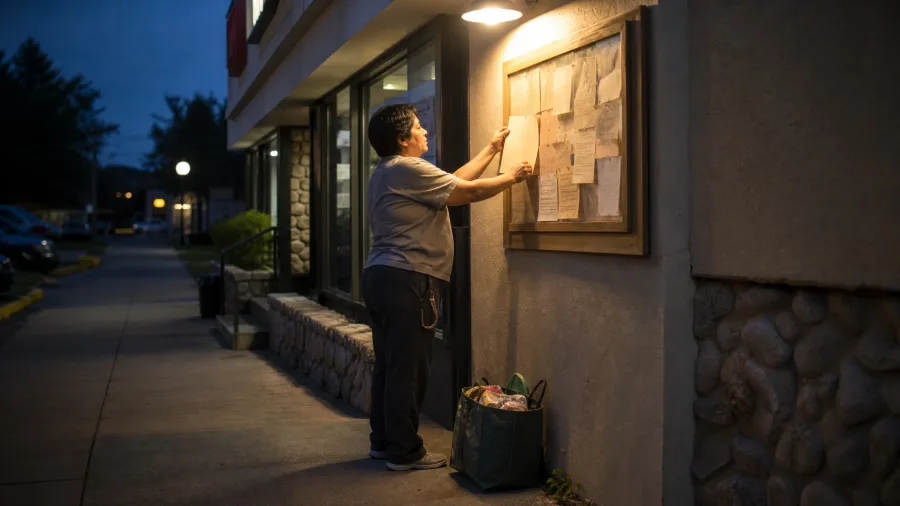
Apps buy speed. Referrals buy margin. An app platform charges a 20% booking fee on each visit. In return, your profile goes live and the first requests can arrive within days.
Neighborhood referrals pay no platform fee at all. They move slower, though, often two to four weeks before a first booking comes through. A flyer at the dog park or a post on the community board is the usual start.
Run the fee on a week of work. Six drop-ins a week at $25 is $150 gross, and the 20% cut takes $30 of it. The same six visits booked by referral keep the full $150. That $30 is about an hour of your door-to-door time.
Speed has its own value, though. A referral that takes four weeks to land a client is four weeks of no income. Apps suit someone building quickly; referrals suit someone patient enough to grow a repeat list.
Both sources need the 30-minute meet-and-greet before the first booking. That visit settles scope and medication, and it tells you whether the dog is one you want on your calendar.
The best plan mixes them. Use an app to fill the first weeks. Then ask every happy client for a neighbor's name, and let the free referrals crowd out the fee-paying apps over time.
Start with one app and three flyers. Both in the same month.
🌱 GROWING TIP
Ask every happy client for one referral
A referral from a paying client costs you nothing and skips the 20% platform fee. Ask right after a successful visit, when the owner is most grateful.
The first month is a test, not a leap

Run the experiment for 30 days with a hard cap. Three clients, or six visits a week, whichever comes first. That cap costs you nothing to keep and it stops a good week from turning into a schedule you cannot maintain. The point is to measure, not to build a business.
Log four things for every booking: gross pay, platform fees, gas, and hours. Hours means door-to-door time, not the 30 minutes on the clock. A $25 drop-in at 45 minutes door to door is not worth $25 an hour. It is worth $33 an hour gross at best, before the 20% fee comes off. Write the four numbers down on the same day, while you still remember the drive.
Track the hours in the same log. If gas is separate from hours, you will double-count the drive or forget it entirely, and either mistake distorts the result.
Six visits a week is the same pace the earlier math used. It is enough to fill a log in a month. It is small enough that a bad cancellation does not wipe out your month.
Keep the day job. A single holiday overnight at $80 can make the first three weeks look better than the month was. Repeatable net, not one good booking, is what the log has to show before you treat this as income you can count on.
At the end, divide your net pay by your logged hours. That is your effective hourly rate, and it is the only number worth comparing to the alternative use of those weekend hours. If it beats what you would earn doing something else you actually enjoy, keep going. If it does not, you learned that for the cost of a month of Saturdays.
Frequently Asked Questions
How much can I realistically make pet sitting part-time?
A part-time load of six drop-ins a week plus two overnights a month nets about $616 before gas, supplies and taxes. Your number depends on your rates, how far you drive, and whether you use an app that takes a fee.
Do I need insurance to pet sit?
Yes, if you want to protect yourself from a bite or damage claim. A $150 annual liability policy is a good baseline, and it equals about six $25 drop-ins gross. Check local rules for any permits as well.
How long does a 30-minute visit really take?
Plan on about 45 minutes door to door once you count the drive. Six visits a week use about 4.5 hours plus scheduling time. That extra drive time is why the effective hourly rate is lower than the visit price suggests.
Should I use an app or find clients through my neighborhood?
Apps take a 20% booking fee but can bring requests within days. Neighborhood referrals take 2-4 weeks but pay no platform fee. Many sitters use both: apps for speed, referrals for margin.
What do I need to track for taxes?
Log your miles, platform fees, supplies, and insurance premiums. Income tax and self-employment tax may apply. Check the IRS Schedule C instructions for quarterly filing rules rather than guessing.
How do I test pet sitting without quitting my job?
Cap your first month at three clients or six visits a week. Track gross pay, fees, gas, and hours for 30 days. Keep your day job until the log shows a repeatable net, not just one good holiday booking.
Run the 30-day test before you commit your weekends
Test pet sitting if you want a small startup cost, active work, and weekends you can commit. Skip it if you need predictable income, or if driving between visits drains you. Both are honest reasons to walk away.
Here is the first step. Cap yourself at three clients for 30 days. Set up one app profile and put up three flyers in your neighborhood. Keep a simple log of hours and net pay.
The $25 drop-in was never the prize. What counts is the net after fees, gas, and those 45-minute door-to-door visits.
One month of your own numbers answers the weekend question better than any posted rate can.
Start your 30-day pet-sitting test this week
Pick your cap, build your log, and book your first meet-and-greet. The numbers will tell you whether to keep going.