
A $5,000 side payment lands in its own checking account on the same Friday the day job's direct deposit clears rent. Separate money, same week.
I spent six weeks interviewing 20 people across the US who each held a full-time job and cleared at least $5,000 from side work in a recent month. I read their offers, calendars, bank transfers and tax reserves, then checked back after the next payout.
My first guess was wrong. I expected a viral idea or a dramatic quit.
The files showed something smaller: $5,200 to $14,000 in monthly side revenue, and $3,100 to $9,800 net after expenses. Launch cash ran $150 to $3,000 from savings. Nobody had left the day job.
What they shared was dull and repeatable. Each used a skill from work or a past job, named one buyer, sold one clear outcome, and showed proof from a paid pilot. Then came fixed side hours, a separate account, a tax reserve and a 30-minute review each month.
You can copy two parts now: a one-sentence offer with a visible price and next step, plus two fixed side-work blocks. Save the extra tools, extra services and the quitting talk until someone has paid you.
🎯 THE SHORT ANSWER
The short answer
They built from a skill they already used at work, named one buyer with a repeating problem, charged a visible price before feeling ready, and kept the day job as runway. None quit their job; four planned to leave within 12 months after saving 9 to 12 months of household expenses.
Offer and pricing
Every side business starts with an offer someone can say yes to. The 20 people I interviewed did not invent a new niche. They packaged a skill they already had into a clear, priced outcome for one buyer.
The first four entries show how they set the offer and the price, and why charging early beat waiting to feel ready.
1. They solved problems they already understood

They did not invent a business. They sold something they already knew how to do.
All 20 took a skill someone had already paid them for. Bookkeeping, tutoring, design, consulting, cleaning. Eight others packaged what they knew into templates, a newsletter, a course, resale goods or food. No one picked a field to learn from scratch.
The buyer was always one person you could picture. Therapists who need their books closed each month. Parents of juniors prepping for the SAT. Not "small businesses." Not "students."
One bookkeeper had closed the books for a former employer. She built the same monthly close for private-practice therapists. The problem repeats, so the work repeats.
List what an employer or past customer has already paid you to do. Then pick one buyer whose problem comes back every month or every project. If you cannot name that buyer, it is still a hobby.
💡 Tip: Inventory the skills an employer already pays you for. Pick one buyer whose problem repeats monthly or per project, then write the buyer and the problem in the same sentence.
At a Glance
2. They sold a clear outcome, not a service

There is a story that a good offer has to describe your qualifications. It does not. The 20 sold a result a buyer could repeat at the dinner table, and the price came in the same breath.
One bookkeeper I reviewed had 'bookkeeping services' on her old page and got polite silence. She rewrote it as a single line: your books closed by the 10th, every month, $250. Same work, same person, same software. The sentence led with what the buyer gets and let the deliverables trail behind it.
That order matters. Closed books come first. Monthly reconciliation, the statements and a short call for questions come second, because they are how the close happens, not why anyone pays. When the outcome leads, a busy buyer can decide without asking what the service actually includes.
The page stayed short on purpose. One starting price, one next step: a booking link, or an instruction as plain as 'reply with your last close date and I will send the invoice.' No contact form with seven fields. No custom proposal request. One click from reading to sending money.
A vague offer hands the buyer a job. To say yes, she has to figure out the scope, guess the price and write the workflow herself, and most people quietly close the tab instead of doing that work for free.
This is why the timing matters more than the polish. Every week the offer sits unnamed is a week of buyers who saw the vague version and kept scrolling. A first paid client showed up 2 to 10 weeks after starting for the people in my files, and the ones who moved fastest had the sentence written before anything else existed.
Write your line this week: the result, the timeframe, the price, the next step. Read it to one person in your target buyer group and watch their face. If they ask what you actually do, the sentence needs another draft, not a better website.
3. They charged before feeling ready

Waiting to feel like an expert costs you the only test that matters. A paying buyer.
"Your books closed by the 10th, every month, $250" only proves itself when someone pays the $250. Until then, the offer is a guess. The 20 treated the first payment as feedback, not a trophy.
The first paying client or customer showed up 2 to 10 weeks after they started. The first prices were $300 to $2,500 per project, or $40 to $250 a month.
One designer built an audit for $300. She handed over a set list of files and let the buyer's notes come back. That feedback told her what to change in the next offer. None of it arrived from a course or a website.
The trap is free work with no end. None of the 20 handed out unlimited unpaid help. Samples stayed small and had a stop point. Scoping, delivery and revisions got paid.
That small test run is the fix. Pick a modest first price. For anyone starting late on savings too, these lessons for catching up pair well with a small paid test run. Name one buyer. Deliver one paid piece of work and read the notes. Waiting for expert status leaves the offer untested, and a first paying buyer at any honest price beats a finished website nobody has paid for.
💡 Tip: A first paying buyer at a modest price proves demand faster than a perfect website. Set a small paid pilot scope and a price this week.
Charge for the first small scope before you feel ready. The paid work is the feedback.
— What the 20 said in different words
4. They raised prices after proof, not after more work

You go back to the same buyers with what the first paying jobs actually delivered. Three to five finished clients gave these sellers something no extra feature could: a result they could point to and a few short quoted words from a real customer.
Then the price moved. Raises sat between $200 and $700 on a project, or $40 to $100 on a monthly plan, and one tutor took a $500 test-prep package to $900 after three parents sent notes about higher scores. Same buyer, same scope, same checklist. Higher number on the invoice.
Adding more work for the same fee is the trap here. It keeps a side business sitting under $5,000 no matter how many late nights go into it, because the hours climb and the money does not.
Four moves that keep a side month from becoming a tax bill
5. They made saying yes easy
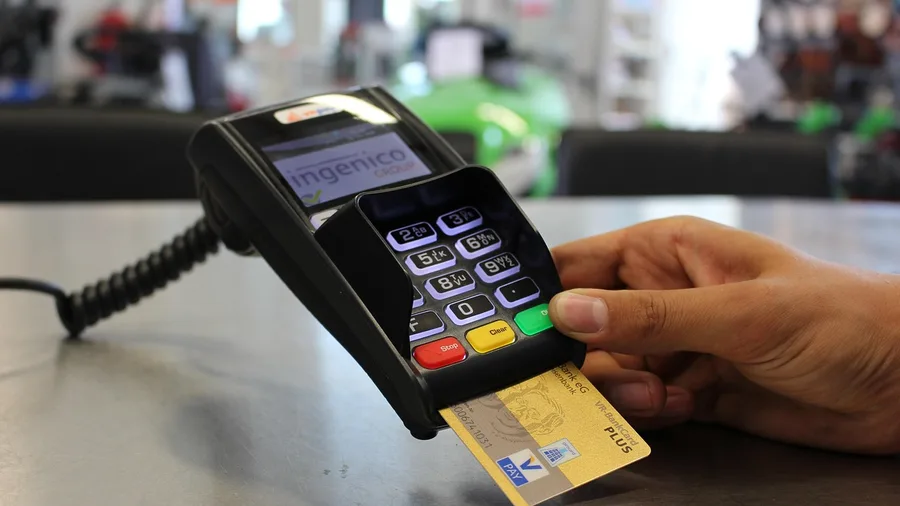
Nobody buys without an easy way in.
the buyer needs a phone call first, a custom proposal, a chance to talk it through. The numbers say the opposite. The ones clearing $5,000 built a single page holding a description, a price, a timeline, and one action.
The first step was small and paid, often a $300 audit or starter package, instead of a free call that eats an evening. A booking link or one plain instruction did the rest, something like: reply with your close date and I will send the invoice. That removed the back-and-forth that stalls a busy buyer for a week.
You already know the hassle this solves. A full-time employee cannot spend the week trading scheduling emails, and every extra message is a place where a warm buyer goes quiet.
One page with a price and a next step turns interest into a paid job. That is the whole shift.
Customers and proof
The next four entries cover how strangers became paying buyers. The pattern was consistent: a narrow pitch, visible proof, a referral ask at handoff, and a willingness to decline work that did not fit.
6. They told a specific audience what they do

Pick one buyer and one problem, then say it the same way everywhere. That is the move behind every pitch I read, and it is harder than it sounds, because narrowing feels like turning customers away.
The sentence was short. Monthly bookkeeping for therapists in private practice. SAT prep plans for parents of juniors. One type of buyer, one recurring problem, no list of everything the seller could also do.
The same sentence showed up on the profile, in the referral message, and in the first minute of a call. A buyer heard it and thought: that is me. They had already decided before anybody mentioned a price.
It takes real discipline to keep the sentence narrow. In my first pass I assumed these sellers were leaving money on the table, until I read the messages from buyers who arrived already sold. The next three inquiries had done their homework before the first call. That is what a narrow pitch buys you.
The cost is the other side of it. When you name one buyer, every other buyer hears a no. The plumber who wants a logo, the friend who needs a website on the side: the pitch that makes the right person lean in makes them walk past.
I still think it is worth it. Specific does not mean small. Therapists need a close every month, and parents of juniors need a plan every fall, so the work repeats whether your pitch is wide or narrow. A wide pitch just makes every buyer wonder if you handle their thing.
One sentence, one buyer, one problem, said the same way in every place a stranger meets you. That is how anyone finds out what you do.
7. They showed proof instead of claims

Three testimonials. That was the number most of them needed before a stranger said yes, and every one of those lines came from work someone had already paid for.
A narrow pitch tells the buyer who you are. Proof answers the next question, which is whether the work actually gets done. The sellers kept it simple: one page or one file showing a redacted spreadsheet before and after, a sample study plan with dates on it, a finished design, or two phone photos of a clean room. The bookkeeper kept the same three lines from real clients and read them out loud on every call.
Each line named the result and nothing else. Closed by the 10th, three months running. Nothing in there praised her personality, because a buyer cannot check a claim like passionate and it does not shorten the conversation.
Nobody borrowed a review. Nobody borrowed a result either. The 20 showed their own work, even when the scope was small and came from a paid pilot at $300. Buyers can verify a sample. Start there.
8. The referral ask happens at handoff

The ask for the next customer happens in the hour you hand over the finished work, not in a marketing push three weeks later. That timing is not a technique. It is the cheapest customer you will ever get.
Run the arithmetic on one clean month. You finish a $250 bookkeeping close for one client, and at handoff you ask: who else do you know with the same monthly close problem? Say one in three happy buyers forwards it to one person, and one of those two leads turns into a paying client. Across 12 clients a year that is about four new customers, or roughly $1,000 a month of retainer you did not have to advertise for.
The words matter more than the effort. Name one person or one team, not anyone who needs help, so the buyer can answer in a forwarded email without thinking it over. Then follow up. A short note, a useful link, a check-in at the next close.
Referrals are a delivery habit, not a campaign. The happy buyer standing in front of you at handoff is the cheapest next customer you will find.
9. They declined vague or low-margin work

You say no, and you say it in one sentence that keeps the relationship. Something like: that is below my minimum, but here is someone who does it well.
The 20 either charged for the scoping call as a paid audit or sent a short form instead of a free one. Their floor was $300 for a project or $40 to $250 a month on retainer, and that floor is what kept small jobs from eating the fixed hours they had. Every unpaid call is a delivery block you took from a paying buyer. Your minimum depends on your own hours, expenses and tax rate, so it is worth working out with a fee-only fiduciary or a CPA once, before you set it.
Write the two sentences now, your minimum and your referral-out line, and the next vague ask becomes a decision instead of an awkward pause.
How a $5,000 side month becomes real profit
Round numbers from the interviews; tools at $50 a month, 15 percent set aside for taxes
Time and operations
A side business that wrecks the day job is not a business; it is a second job with worse hours. These entries cover how the 20 protected the paycheck while keeping delivery repeatable.
Fixed hours, a written checklist, a small tool stack and a delivery calendar are the whole system.
Jargon, decoded
10. They kept the day job as runway

Nobody in my files had quit. All 20 were still clocking in while the side work ran, and the four who talked about leaving had set a timeline: 9 to 12 months of household expenses saved before they gave notice. That is the runway rule, and it costs nothing to copy.
The mistake is treating the side income as proof it is time to go. One good $5,000 month feels like permission to hand in notice, but the paycheck is still paying rent while side cash builds the buffer. Lose the job first and the business has to fund the household in month one.
The four planning an exit kept three things written down: a date, a savings target, and a separate side-business reserve for slow months. Keeping the salary does not mean you are less serious. It is what makes the experiment safe to run.
11. They worked fixed side hours

Ten hours a week was the low end. That is the smallest scheduled block I found among the 20, and nobody ran the side work on leftover evenings.
The hours landed in fixed slots: early mornings before the commute, weekend mornings, or two weeknight blocks. One consultant worked Tuesday and Thursday from 6 to 9 p.m. Then Saturday from 8 a.m. to noon. The same slots held every week.
What sat in those slots mattered more than the total. Delivery got a real calendar appointment first, and marketing filled whatever was left. A client job had a booked block before anyone posted a single thing.
That is the difference between a side business and a hope. A full-time employee with no delivery block is really promising the day job's leftover energy, and leftover energy does not show up on a Tuesday.
Put two blocks on your calendar this week. Ninety minutes each is enough to start, and once a client pays, the block is where the work gets done.
💡 Tip: Book two delivery blocks this week before you book anything else. Treat them like a meeting with a paying client, not a maybe.
12. They used one repeatable delivery checklist

The assumption is that custom work means starting from scratch every time. The 20 did the opposite: one written checklist ran from onboarding to doing the work to handoff, and every client got the same steps in the same order, whatever they paid.
Run the math. If a project usually takes 10 hours and the checklist brings it to 6, that is four hours back per client. Four extra clients a month is 16 hours saved, which is a whole week's worth of side work freed for another job or a night off. One designer's sheet had five onboarding questions, a fixed file list, a handoff email, and a buyer who saw the same process at every price.
Fixed hours need this, because every new client that reinvents the work breaks the schedule. A checklist lets you add a client without adding chaos, and the quality holds steady when the hours are fixed.
📋 How a delivery checklist cuts a project from 10 hours to 6
Onboarding questions
Five fixed questions go to the buyer before work starts.
File and scope check
The fixed file list confirms what is delivered and what is out of scope.
Work in one block
The same steps run in the same order inside a booked delivery block.
Handoff email
A saved handoff email delivers the files and asks for the referral.
Review and update
One change goes into the checklist after each project closes.
13. They kept their tools small and repeatable

A checklist makes the work repeatable. That is what makes two tools worth paying for. The stack stays small. One scheduling link and one invoicing tool, and nothing else.
Software cost $30 to $80 a month across the 20. In return they got back 3 to 5 hours of admin a week. That is a raise of a few dollars an hour, priced in time.
One bookkeeper put the booking link on a page for intake calls. The invoicing tool sent the monthly bill on the same date each month. Payments stopped waiting on a manual reminder. Without them, those hours come out of delivery.
⚠️ COMMON MISTAKE
Buying tools before the first buyer
The 20 kept software at $30 to $80 a month until a paying buyer or a repeated admin bottleneck showed up. A $200-a-month stack with no customers adds an obligation before the business has a buyer.
14. They blocked delivery time before marketing
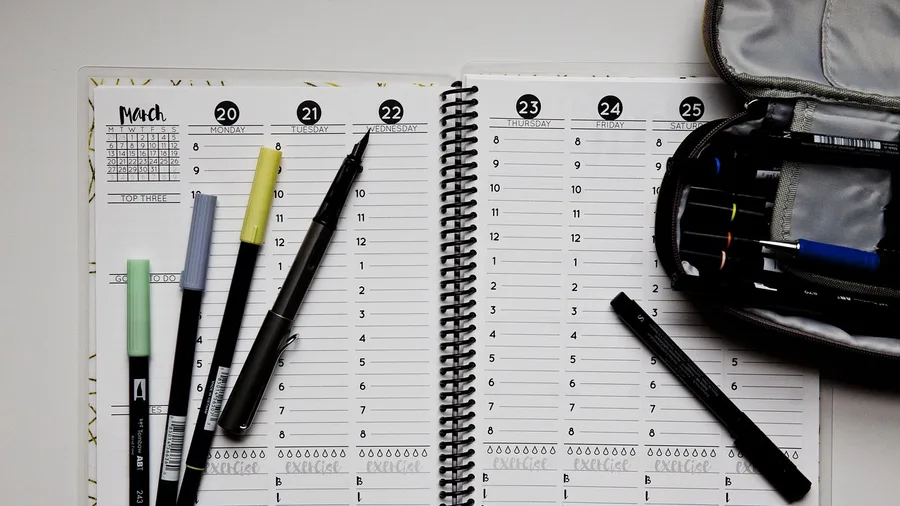
Capacity comes first.
Two or three delivery blocks went on the calendar each week, before any marketing push. A block is a set length of time you give to one client's work, not a call to discuss it. Until a slot opened, no new client was taken. The answer to interest was a waitlist or a start date, never a squeezed-in project.
The cost is real. Turning down a paying customer feels wrong when the first few are still hard to find, and a waitlist tests your nerve. But overbooking has a price too. A $5,000 month that runs past its delivery slots turns into refunds and a tired person behind them. That is why the people I interviewed held the line.
One cleaning operator held Saturday and Sunday mornings and a Wednesday evening. New customers got the next open date. Same week, most of them booked anyway.
If your weeks are already full, this move waits. Take the capacity hit once, or the delivery hit later. Only the second one costs a customer.
Money and discipline
Revenue is not the number that pays the household. These entries cover what the 20 did with the cash after it arrived: tracked profit, kept it separate, set aside taxes, avoided launch debt, built a buffer, and reviewed the numbers once a month.
15. They tracked profit, not just revenue

Do not start with what came in.
On the first pass I got this wrong. I read top-line revenue as the headline, because that was the number people said out loud. Then the net column showed me a month with $6,000 coming in that paid less than a month with $4,000 coming in. If that gap makes you doubt your progress, these quiet signs your finances are working can help you read it fairly. Same person, different work, different month.
Across the 20, the gap between what came in and what was kept was wide. Revenue sat between $5,200 and $14,000 a month. After tools, materials, contractor pay and fees, the money actually kept was $3,100 to $9,800. One reseller brought in $8,000 and kept $4,200 once inventory and card fees were counted.
So three numbers belong on one page: revenue, expenses, and owner pay. Add hours, and you get profit per hour. That last figure is the one that decides whether the next piece of work is worth taking.
A low-margin project can look busy and still lose to a smaller, cleaner job. In my interviews, the people who checked this before adding work kept more of what they earned than the ones who checked it after.
Look at it once a month, not once a quarter. A full calendar with a falling profit per hour is easy to miss when you review quarterly, and hard to miss at 30 days.
One number is worth writing down: your profit per hour, reviewed monthly. If it dropped, the next month's job is to raise it or drop the work dragging it down.
16. They kept side cash in a separate account
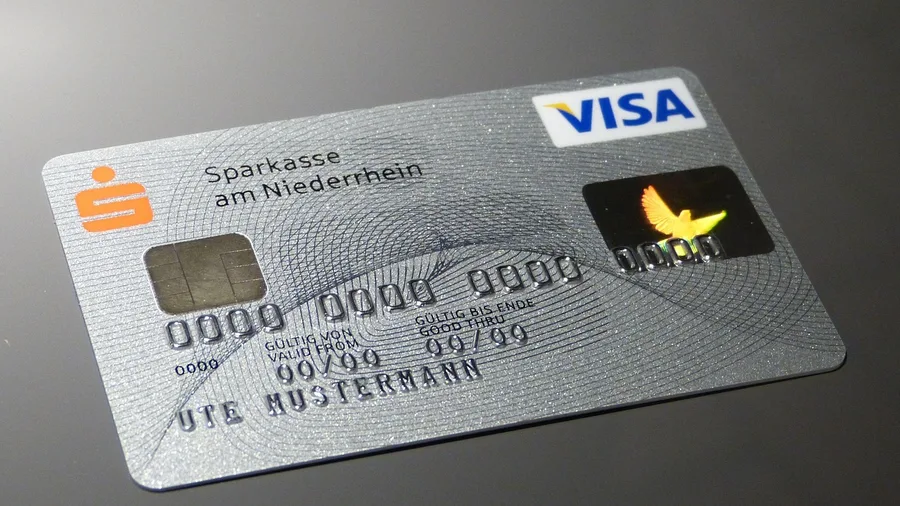
Most people who start a side business leave the money in the household account and tell themselves they will sort it out later. That is the default. The 20 people I interviewed split the money on day one, before the first payment cleared.
Each kept one checking account for side income and side expenses. The household account stayed apart. Rent, groceries and the car came out of the paycheck. The side balance showed what the work earned, what it spent and what it owed.
Owner pay became a scheduled transfer on a fixed date, not a tap when the household needed cash. I saw that detail in every set of statements I read. The transfer was the same amount, on the same day, once a month.
Commingling hides two things at once: profit and tax. You cannot see either in a mixed account. A separate balance turns 'I think the side thing is working' into one number you can read in ten seconds.
The second account is free at most banks. That is the whole setup cost.
17. They set aside taxes with every payment

The smallest tax reserve I saw was $460. It belonged to a tutor whose best month brought in $1,900, and the reserve had been set aside one payment at a time over eleven weeks. She told me she would not have found that money in April if it had stayed in the household account.
That account was the point of the split. Once the side cash sits on its own, the tax you owe on it stops being invisible. You can see what belongs to the business, what belongs to you, and what belongs to the IRS.
The funding ran per payment, not per year. Every deposit that cleared left a slice behind in the tax account before any owner draw. A $2,000 month with a 25% reserve meant $500 moved the same week it arrived. The rest was the owner's to spend.
Here is where I got careful. None of the 20 used a guessed rate. Each of them had the reserve sized with a CPA or against official IRS guidance, and the number was confirmed before the first good month got spent. That conversation cost a few hundred dollars, and it stopped one bookkeeper from under-saving by half for a full year.
The trade-off is real and I want to name it. The money in that account is not yours to spend yet. It does not buy a laptop. It does not cover a slow week. When one reseller had a quiet August, she knew the reserve was off limits and took the tight month on the household side instead. That feels like a loss. It is the move that keeps a good month from turning into a bad April.
The reserve paid off in the way these things do: quietly. The person with no reserve owes the whole bill at once. The person who moved a slice per payment owes the same bill and has the cash sitting there. The dollar amount is identical. Only one of them feels it.
Here is the number worth writing down. Whatever you reserve, move it the day the payment lands, not the day the bill comes. The habit is what protects the month. If you have never done this, book one hour with a CPA before your first strong month. That call sorts the rate, and the rate is the whole thing.
One reservation. If your side earnings are small and steady, the same discipline applies to a smaller number. The split and the per-payment transfer are what make the reserve work. The size can start small.
18. They avoided debt and expensive tools to launch
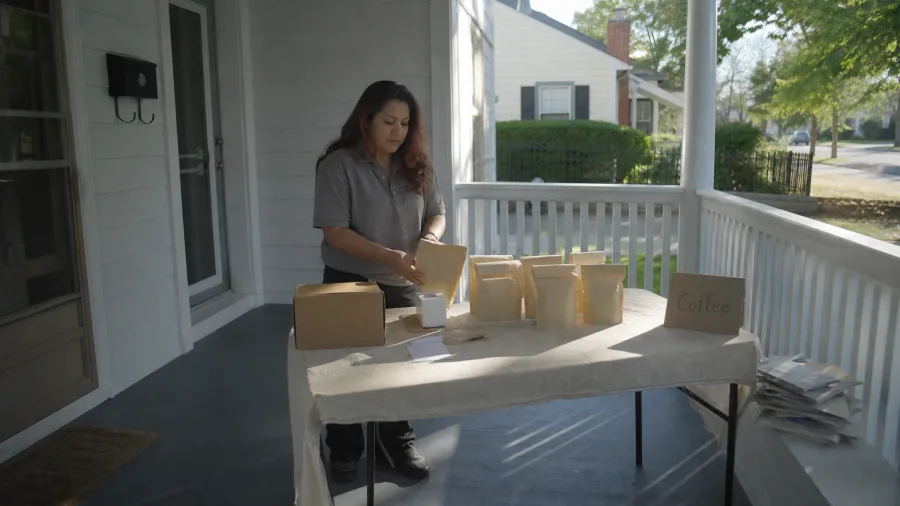
Between $150 and $3,000 from savings, and not one dollar of debt.
Take the top of that range: $3,000. Spread over twelve months, that is $250 a month, and most of them spent less. The food seller who spent $900 on permits, packaging and a first market table had a launch cost of $75 a month across the year.
Now run the expensive version. A $1,620 credit card balance at a typical card rate adds about $240 a month in interest alone. The same $1,620 on a home-equity line adds to the mortgage payment before a single buyer has paid.
That is the arithmetic. A debt launch adds a monthly bill before the side work has a monthly buyer. Savings keep the experiment reversible, and free or cheap tools came first, with paid software waiting for a paying buyer or a repeated admin bottleneck. The tutor who started with $300 in templates and a $30 invoicing tool never carried a balance. That is the number to copy.
19. They built a cash buffer before quitting

Leave the day job with no savings and the side income has to pay rent in month one. That is a trap. Four of the 20 planned to quit inside a year, and not one before the savings were there.
The four set a target before they set a date: 9 to 12 months of household expenses in the bank. One had 11 months saved. The side account stayed separate from that fund, so a slow month hit the business, not the rent.
The test is the number, not the mood. Does the savings cover the house? The business does not have to. If it only covers the business, the date is not ready.
20. They reviewed the business every month

Put 30 minutes on the calendar once a month and open one page: revenue, net profit, hours worked and next month's booked work. Decide one change from what the page shows, and only one. That habit is the whole review.
The belief most people bring in is that growth means adding: another service, another tool, more clients. The numbers point the other way. One consultant I interviewed dropped a low-margin service after the review showed it ate six hours for less profit than a smaller project booked in half the time.
Product businesses get the same treatment. One reseller saw $8,000 in revenue and $4,200 in profit on the same page, which is why the review looks at profit per hour before it looks at the top line. The raise, the dropped service, the new delivery block and the referral ask are all decisions a single page can support.
Set a recurring date and keep the review to 30 minutes. Without one, a $5,000 month hides falling profit per hour and a calendar with no work booked ahead.
Staying or leaving is one of the numbers on that page, not a decision made on a good week. Run three reviews before you trust the read.
Frequently Asked Questions
Can I really hit $5,000 a month while working full time?
The 20 I interviewed did it on 10 to 25 side hours a week, usually in early mornings, weekends or two weeknight blocks. The first paid buyer took 2 to 10 weeks to arrive, so the early months are slower than the later ones. The hours are fixed and scheduled; the work is a repeatable checklist, not a scramble.
Do I need to quit my job to grow the side business?
None of the 20 had quit. Four planned to leave within 12 months after saving 9 to 12 months of household expenses, plus side-business cash for slow months. The day job covered household expenses while the side income built the buffer, which made the growth reversible.
What should I charge for my first project?
First prices across the group ran $300 to $2,500 per project or $40 to $250 a month. Start with a paid pilot at a modest price and a fixed scope, then raise after 3 to 5 clients and a few short testimonials. The raise is the reward for proof, not for adding more work.
Do I need a separate business account?
Yes. A dedicated checking account for side income and side expenses kept the 20 from guessing at profit. Owner pay was a scheduled transfer, and the side balance showed what the business earned, spent and owed before any draw. A separate tax account sits beside it, funded with each payment.
What tools do I actually need on day one?
One calendar link and one invoicing tool, at about $30 to $80 a month together. The pair saved 3 to 5 hours a week on admin for the people I interviewed. Skip upgrades until a paying buyer or a repeated admin bottleneck shows up; tools earn their place by protecting fixed side hours.
How do I know when to go full time?
The four who planned to leave set 9 to 12 months of household expenses saved before giving notice, not just business cash. The buffer has to cover the household, not only the side business. Until then, the day job is what makes the experiment safe.
Write the offer, book the two blocks, then run the first month
Here is the verdict. The 20 people clearing $5,000-plus did not find a hidden niche or a reason to jump ship. They took a skill they already had and wrapped a plain routine around it. The signs were paid work, set hours, money kept apart and a short monthly check-in.
Your first move is small. Name a problem you already solve for an employer or a past customer. Write one sentence that says what you deliver, what it costs and how to start. Then put two side-work blocks on the calendar this week and test the offer.
After the first month, look at three numbers: revenue, what you kept after expenses, and hours worked. Those three decide whether you raise the price, add a delivery block or buy a tool. Not the excitement of launch week.
I started with 20 files and a hunch that $5,000 a month took a leap. The calendars and bank transfers showed something else: small paid pilots and booked blocks. A side business begins the day someone pays for a named outcome, not the day the website goes live.
Run the 30-minute numbers review this month
Write revenue, net profit and side hours on one page. Then pick one change: a price raise, a dropped service, or a new delivery block.