
In about a minute you can work out whether any money offer in your feed will ever stop needing you. Almost every one of them will not. That is the whole job of this list.
The pitch lands fast: set it up once, collect the money, go live your life. So the choice in front of you is concrete. Do you hand over a weekend, or $10,000, to something that claims to run itself?
Here is the turn. In these offers, passive usually means the checkout is automated or the ad account runs while you sleep. The work has not gone anywhere. It has just moved behind a screenshot of gross income, where the hours and the cash at risk do not show.
So a single test applies to all nine ideas below. Once the thing is running, how many hours a month does it still eat? How much cash does it take to start? And does the work ever stop needing you?
The headline counts fourteen entries: nine that quietly demand real time and five that mostly run themselves. Most of the nine fail that test. The five that come close to hands-off are saved for the end, so the number worth remembering is the hours-per-month figure you will put beside each one.
By the time you reach the last entry you will know which ideas only pay if the work itself is what you want, and which will run without you. Then you can move $500 into the hands-off side this week.
| Idea | Cash to start | Hours a month once running | Realistic year-one income | Actually passive? |
|---|---|---|---|---|
| Rental house | $310,000 house plus closing costs | 8–10 | $2,150/mo gross, thinner after costs | No |
| Print-on-demand | $300/mo ads after $0 setup | 10–15 | $360 gross profit before fees | No |
| Dropshipping | $1,200 to test 3 products | 60–65 (15 hrs/wk) | Unpredictable; 25% returns | No |
| Blog or newsletter | $0–$200 for hosting/domain | 15–20 | $0 for 9 months, then ~$900/mo | No |
| Spare-room rental | $500–$1,000 setup | 10–15 | $1,650 gross, $1,530 after supplies | No |
| Dividends | $500/mo invested | ~2 | Small at first, grows over years | Mostly |
| Index funds | $500/mo invested | <1 | Market-dependent | Yes |
| High-yield savings | $18,000 deposit | <1 | ~$774 | Yes |
| REIT index fund | Any amount | <1 | Dividends quarterly | Yes |
The ones that turn into a second job
These six ideas all have a moment where you realize the work didn't stop when the setup was done.
They can still make money. But they pay you for ongoing hours, not for having set them up once.
1. A rental is a second job with a mortgage
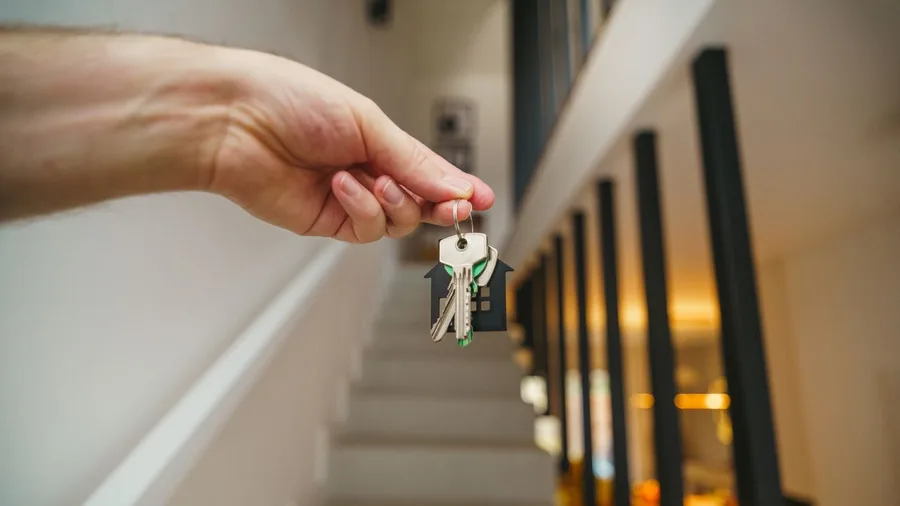
Two thousand one hundred fifty dollars a month sounds like money. It isn't, once the house is paid for. On a $310,000 single-family home, the mortgage takes its cut first. Then $4,300 a year goes to maintenance and one empty month, which is about $358 a month off the top. The rent that actually reaches you is thinner than the check suggests.
The hours don't stop either. Screening tenants, arranging repairs and turning the unit over between renters runs 8 to 10 hours a month, and that's with someone already living there. The work nobody puts on camera is the 9pm call about a leaking pipe, the week of cleaning and painting before the next move-in, and the tenant who is late again and needs chasing.
So a rental fits one person: someone who wants a part-time job in property. It fails the hours test for anyone who wanted the rent without the management.
💡 Tip: Before buying, call three property managers and ask their monthly fee. That's your cost to make it closer to passive.
2. Print-on-demand is a marketing job with a design hobby
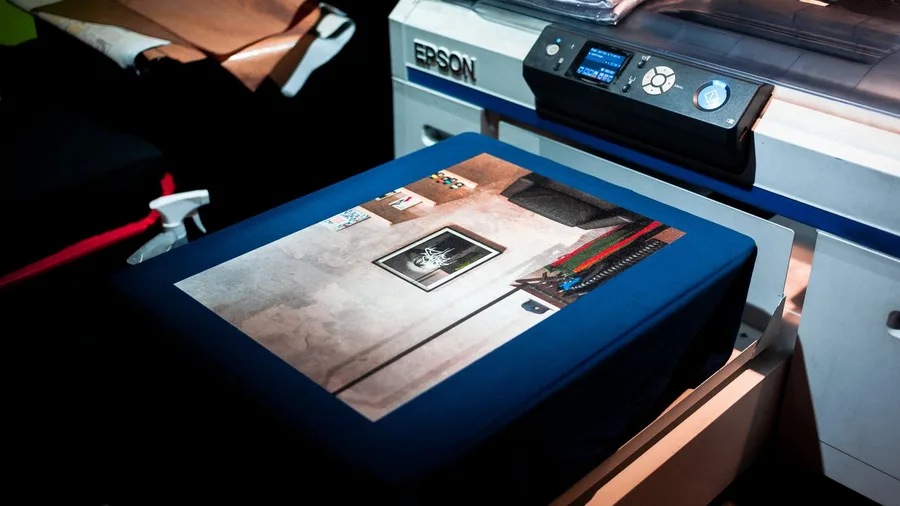
Start the design file now.
A rental needs a building and a tenant to make its money. A print-on-demand store needs neither, but it swaps those hours for a different set: design work and ad management, both of which have to keep happening.
Here is why waiting costs you. A $22 shirt nets about $6 after printing and platform fees. Sell 60 in a month and that is $360, which sounds like something until the ad bill lands. Spend $300 a month on ads and you keep roughly $60. The store that starts this month has a year of sales history by next spring. The one you start in six months does not.
Building a 30-design store takes about 40 hours before the first sale. That is a week of evenings, not a weekend. Then the designs start to age. A shirt that sold in March goes quiet by August, and every quiet design needs a replacement.
The $300 ad account is the actual job. You tweak the targeting, answer the customer emails, and pull the designs that stopped moving. Skip a week and the sales drop with it.
Hank, 34, is an illustrative example, not a real client. He built his first 30 designs over five weekends and cleared about $60 in his best month after ads. His second year went better, but only because he kept designing and kept adjusting the ads every week.
This suits someone who wants a design-and-marketing hobby with a small retail margin. It does not suit anyone expecting a mailbox check. The hours test lands on ongoing creative and ad work, and that work rewards an early start because the store only gets better with age.
💡 Tip: Start with 10 designs, not 30. If none sell in 30 days, you've saved 20 hours and $300.
3. Dropshipping pays for ads before it pays you

People assume an hour a day runs a dropshipping store. The math says otherwise.
Print-on-demand leans on paid ads and fresh designs; dropshipping pushes that ad dependence further and adds suppliers and returns to the daily load. Testing three products costs about $1,200, and most tests fail. So that money is spent before a winner shows up, which means the cash is at risk from day one. Run it out: 15 hours a week on suppliers, ads and returns, about 65 hours a month. That is a part-time job, not an hour a day.
Then the returns arrive. About 25% of orders come back, and the seller pays the refund and the return shipping, so each one eats margin and time. The result: if you will not answer customer emails the same day, the hours test rules this out.
⚠️ COMMON MISTAKE
The setup isn't the job
Most people budget for the setup cost and quit when the ongoing hours show up. Before you start any of these, write down the hours per month you'll actually spend once it's running. If that number is more than you want to give, skip it.
4. A blog is 120 posts before the first check

Dropshipping bills you in cash for traffic and in same-day service. A blog bills you in time before any cash shows up. Skip that trade and you lose nothing this month. Skip it after eighteen months of posts and the loss looks like this: $0 for the first nine months, then about $900 a month.
Getting there means publishing 120 posts over a year and a half. That is roughly six or seven posts a month, every month, while the balance sits at zero. The first check arrives close to month ten.
The writing is the smallest part of the job. You publish on schedule even in the weeks nobody reads, go back and update posts whose numbers have aged, and once traffic builds, you sell sponsors. It does not stop once it pays. It speeds up.
So the honest test comes before you write a word. Pick one narrow topic you would read about anyway, and name the 120 posts out loud. If that sounds like a hobby, the $900 a month is real money for work you wanted. If it sounds like a chore, you have found eighteen months of unpaid production.
No inventory to buy. No tenants to chase. The brutal part is timing: the pay follows the work by months, so the hours test here counts the wait as part of the cost.
💡 Tip: Write 10 posts before you buy a domain. If you hate writing them, you've saved yourself 18 months.
The real cost of a print-on-demand store
Assumes 60 shirts a month at $22 each, $6 profit per shirt, and $300 a month in ads.
5. Your spare room becomes a cleaning rotation
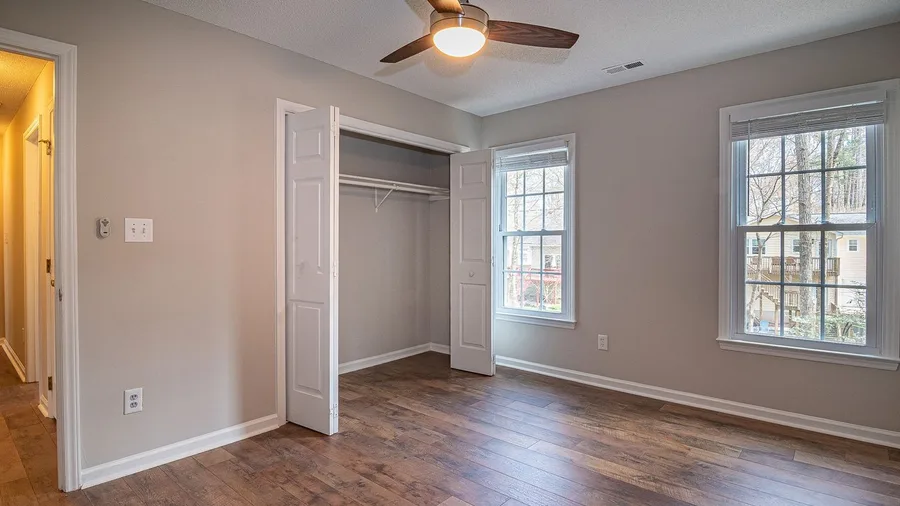
A spare-room rental takes cash immediately and turns it into a cleaning job. A blog waits months for a first check; the spare bedroom pays in week one, then hands you a weekly schedule.
Twenty-two nights at $75 comes to $1,650 gross. Supplies run about $120 a month, so $1,530 is left before platform fees and any tax you owe.
Here is what that money buys in labor. Cleaning and resetting the room takes about 45 minutes, often the same day a guest leaves, which makes most weekends a turnover. A party after a guest checks out means stripping beds at 11pm.
Then there is the admin. Messages, check-in times and review replies take odd hours. Local rules and tax reporting need confirming with your city and the platform.
Who should skip it: anyone who travels often, and anyone who would rather not clean a stranger's room on a Sunday. It fits someone home most weekends who likes hosting. The rent is real, and so is every reset.
6. Dividends arrive decades after the saving does
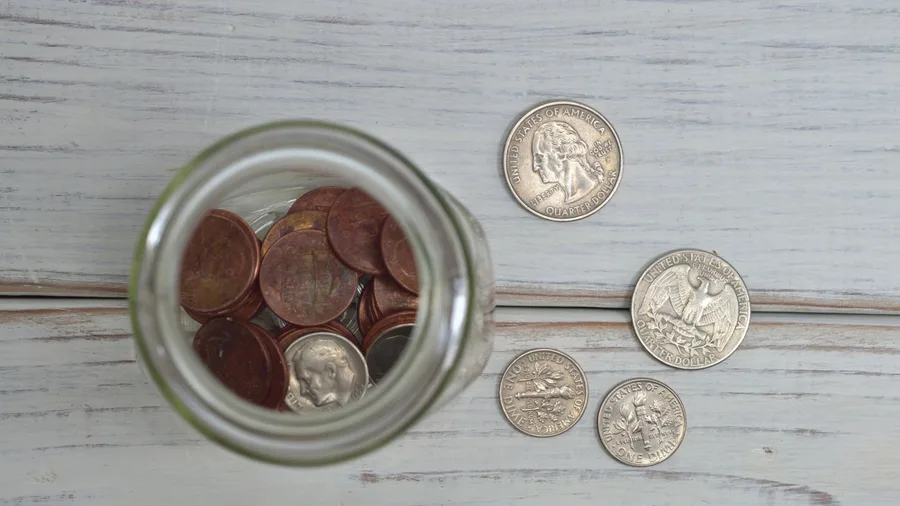
The belief runs like this: dividends mean the money pays you while you sleep, a quiet replacement for part of a paycheck, no landlord or ads or content to manage. The saving that produces those dividends has to happen first, and it takes years before the deposits amount to anything.
The belief says the income just arrives. The numbers say you fund it for a long time. At $500 a month into dividend-paying investments, the early quarterly checks are small change against the amount going in, real and regular but far below a paycheck replacement.
That is the honest shape of it. The labor is all at the front, in years of steady buying, and cannot be skipped with a good weekend of setup. Once the assets are funded, the ongoing work is a quarterly deposit and 15 minutes a year. If retirement is closer than you expected, closing a retirement gap late shows which moves add the most yearly income. Nothing to screen, no ads to run, no posts to publish.
That structure is why dividends fail anyone who needs the money within a year or two. The hours test here asks you to wait years before the first meaningful payment. It is not a slow idea. It is one that pays for the time you already put in.
The hours test: what you give vs. what you get
The ideas that fail
- 8–10 hours a month on a rental
- 15 hours a week on dropshipping
- Same-day cleaning between guests
- Constant design and ad work
The ideas that pass
- <1 hour a month on index funds
- 10 minutes a year on high-yield savings
- 15 minutes a year to rebalance
- Dividends: front-loaded, then near zero
The ones that come close to hands-off
These three ideas actually pass the hours test: once set up, they need almost nothing from you.
They won't make you rich overnight, but they won't eat your weekends either.
7. Index funds: one transfer, then nothing

Set the transfer once, then leave the account alone. That is the whole plan with a broad index fund, a fund that holds a slice of the whole stock market in one place. Put $500 a month into a total-market fund on autopilot and the buying happens without you.
The cost is small and worth naming. An index fund charges an expense ratio, which is the yearly fee taken out of your balance as a percentage. At 0.03%, you pay 30 cents a year on every $1,000 you hold. On a $30,000 balance that is about $9 a year.
After setup, the only job is rebalancing, which means nudging your mix back to the split you chose. That takes about 15 minutes a year. There are no tenants to screen, no ads to tweak, no designs to replace, no posts to schedule.
Here is the honest catch. The balance drops in bad years, and some years it drops a lot. The work is doing nothing rather than selling, which sounds easy until the screen is red and the urge to act is strong.
Your check-ins are few and short. Look once a year, and look at three numbers: the fee (0.03% or close), your monthly transfer (still $500?), and your mix (still what you picked?). If nothing has changed, close the tab.
Take Hank, 34, an illustrative example rather than a real client. He started with $5,000 and set $500 a month. Two years and roughly $17,000 of contributions later, a bad quarter knocked the balance down, and he did nothing. That is the whole job description.
The hours test is lowest here: about 15 minutes a year once running, against a market that can fall 20% in a year and still be the right place for money you will not touch for a decade.
It suits a steady surplus and no appetite for admin. It does not suit money you need next spring, because a drop on the day you sell turns a temporary loss into a real one. A spare weekend buys nothing here. A spare decade does the work.
💡 Tip: Set the transfer for the day after payday. You can't spend what you never see.
💡 PRO TIP
The 15-minute annual check
Once a year, log in and check your fund's expense ratio and your asset mix. If either drifted, fix it. That's the whole job for index funds and REITs.
8. High-yield savings pays you for ten minutes
Yes, if the money is needed within two years. Market money and savings money do different jobs, and the savings side pays you for a ten-minute move.
Take $18,000 sitting in a low-rate account. Move it to one paying 4.30% APY, which means the yearly interest you earn as a percentage of the balance, and after twelve months you have about $774. The 4.30% is the rate, the $774 is the payoff for one short session this week.
The rate is not fixed forever. Checking it once a year and moving the cash if a better account appears takes about 10 minutes. Do it the same week you rebalance the fund, and both jobs fit into one sitting.
Be clear about what this is. It is not investing. After inflation, savings roughly holds its ground, so it will not build wealth. Its job is to keep cash safe and ready, not to grow.
It fits an emergency fund, which is money set aside for surprises like a car repair or a lost job, and anything you will need within two years. If your full picture is tight, a fee-only fiduciary or a nonprofit credit counselor can tell you how much cash to hold before you invest the rest.
High-Yield Savings: The Part That Bites
📉 What $774 buys after inflation
About $610 in real terms at 3% inflation
🔁 Rate after the promo ends
Often 1-2 points lower; APYs move with the Fed
🚨 What breaks it
Balances above the insured limit per bank, per person
⏭️ Skip this if
You will not touch the cash for 5+ years
⏱️ The 10-minute check
Same rate in 12 months? Move it or leave it
The honest trade
You are paid to keep cash safe and reachable, not to grow it. Run the $774 against 3% inflation and about $164 of the gain is gone.
9. REITs are passive but you pay a fee

People think owning property means signing for repairs, screening tenants and chasing rent. A property fund buys you the buildings without any of that. It holds shares in companies that own and rent out real estate, called REITs, and you own those shares in a brokerage account.
The catch is cost and movement. A REIT index fund, which simply tracks a broad bundle of those companies, charges 0.12% a year. That is $12 on every $10,000 you hold, and prices rise and fall as interest rates move, so the balance shifts month to month.
There are no 9pm plumbing calls, no turnover weeks, no screening. The management is outsourced to the fund. It is the last hands-off stop, and the fee plus the swings are the price of skipping the landlord life.
Jargon, decoded
Frequently Asked Questions
Which of these ideas is the least work overall?
High-yield savings and index funds. Once set up, they take under 15 minutes a year. The trade-off is lower potential returns than a rental or a business.
Can I make passive income with no money upfront?
A blog or newsletter costs almost nothing but takes months of writing before it pays. Print-on-demand has no setup fee but you'll spend on ads. Expect to invest either cash or time.
How much can I realistically earn from a rental?
In the example, $2,150 a month in rent before mortgage, maintenance, and vacancy. Your net depends on your market, financing, and how much you pay someone else to manage it.
Are dividends really passive?
The deposits are passive, but building the portfolio takes years of steady investing. The work is front-loaded, not ongoing.
What's the biggest mistake people make with passive income?
Underestimating the ongoing hours and overestimating the profit. Run the hours test before you spend a dollar.
Sort the nine by your situation, then set the transfer
If you want money working without you, the three hands-off ideas are index funds, high-yield savings, and REITs. Set up the automatic transfer this week. That's the action.
If the work itself is what you want, the first six can pay, but only if you're honest about the hours they eat.
Before starting anything on the work side of the line, run the hours test: write down the hours per month once it's running. If that number is more than you want to give, skip it.
Run the hours test before you start
Open a note and write down the hours per month each idea will take once it's running. Then decide.