
Your bank account freezes the day a bank hears you have died, leaving your family with no access to cash.
That shock catches most people by surprise after a loss.
Thousands of dollars can sit trapped behind court doors for months.
If you want your spouse or child to get that money right away, a standard will is not enough to do it.
You need a simple form added to the account while you are alive.
This guide explains how bank rules work, why your will does not touch your bank balance, and how to fix your accounts this week.
🎯 THE SHORT ANSWER
The Short Answer: Where Does the Money Go?
Individual accounts without beneficiaries go through probate court, which can take six months to two years. Accounts with a payable-on-death designation transfer directly to the named person in days without court involvement.
Why Individual Accounts Freeze Immediately

People assume a bank account passes smoothly to family members the moment someone dies. That belief is completely false.
Banks freeze an individual checking or savings account the very day the institution learns of the death. This legal duty stops all automatic bill payments, debit card purchases, and pending checks instantly.
Without access to funds, grieving families often face an unexpected cash crunch while household bills continue to pile up. If a mortgage payment or utility bill pulls from that frozen account, the payment bounces within forty-eight hours.
You can prevent this stressful trap by adding a clear succession plan to every bank account you own this week.
🏦 1 quick tap · about 20 seconds
Find Your Account Setup Next Steps
See exactly how your specific bank setup handles death claims in two taps.
Start with this question
- How is your primary checking or savings account currently titled? Just my name alone · Joint owner listed · Payable-on-death form filled out
Then read the part written for you
- Your account faces probate court delay — An individual account with no beneficiary is frozen immediately upon notification. Your heirs must wait for court appointment before touching the cash. 6 to 24 months Read: Why Individual Accounts Freeze Immediately →
- Your joint owner keeps immediate access — Joint accounts with rights of survivorship transfer ownership directly to the surviving holder. The bank keeps the account active for the co-owner. Immediate Read: How Joint Ownership Changes the Timeline →
- Your beneficiary gets direct transfer — A payable-on-death designation bypasses court entirely. Your named person claims the funds directly with a death certificate and identification. 3 to 7 days Read: The Power of Payable-on-Death Designations →
How Joint Ownership Changes the Timeline

While an individual account locks up instantly, adding a second name with rights of survivorship keeps the money moving. That means the surviving owner keeps full legal access to the remaining balance without waiting for court approval.
The bank simply removes the first name upon receiving a certified death certificate. The account stays open, and regular bills or automatic payments continue without a pause.
This convenience makes joint accounts popular among married couples.
However, a co-owner legally owns one hundred percent of that money while you are still alive. If you add an adult child to your checking account just to help pay bills, they can legally withdraw every dollar or risk having their own creditors seize it.
Review your account paperwork this week to confirm who is currently listed as a joint owner.
Joint Account Trade-Offs
The Power of Payable-on-Death Designations
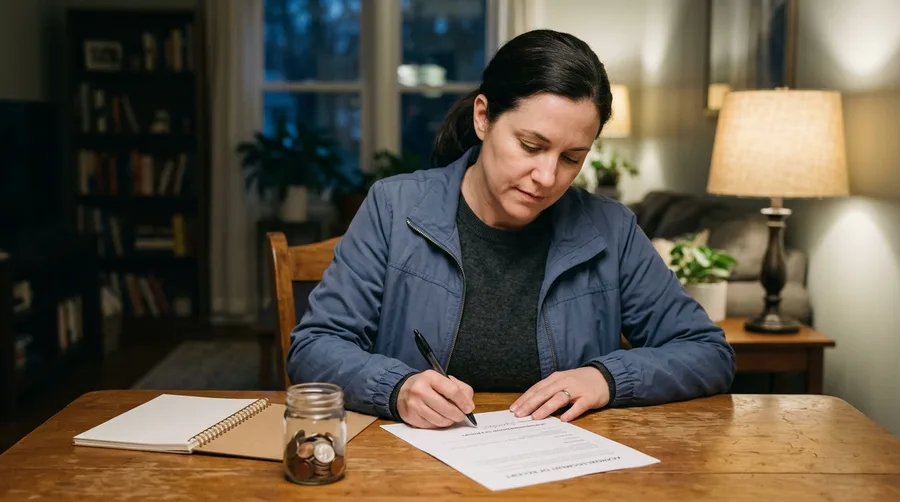
Leaving a bank account without a named beneficiary means your money spends months locked in court fees and legal delays. Probate costs routinely eat up three to seven percent of an estate's total value before anyone sees a dime.
You can bypass that entire court process by adding a payable-on-death designation to your paperwork. That is a simple instruction telling the bank who gets your money when you die. You retain full control of the funds while you are alive, and your chosen person simply brings a death certificate to claim the balance later.
This mechanism works because the bank agreement legally transfers ownership outside of your will. You can also apply this to a certificate of deposit, which is a fixed-term savings account holding your cash for a set period. Visit your bank branch this week to fill out a beneficiary form for every account you own.
What Happens to Outstanding Debts and Overdrawn Balances?

Debt creates worry. Families fear that unpaid bills become theirs.
Debts belong to the estate. They do not pass to your children or spouse.
That rule protects surviving relatives.
Take a checking account with a negative balance of $150. The bank looks for other individual funds in that exact name. If money sits in another account, the bank takes it to clear the gap.
That is the process. It covers the shortfall before anyone else sees a dime.
What happens if no other money exists? The bank writes off the loss. They cannot call your family for payment.
Joint accounts change that rule completely. Both holders remain fully liable for every dollar overdrawn. One person can leave a balance of $500, and the bank will demand the full amount from the survivor.
Review your shared lines this week. Look at every joint balance to stop unexpected calls.
⚠️ COMMON MISTAKE
Assuming Family Members Inherit Automatically
Spouses and children have no legal right to withdraw money from a solely owned account without court paperwork, regardless of what a will says.
How Wills Interact With Bank Accounts

A will tells a court how to split up your things, but it does not change who owns your bank accounts.
The bank looks at the card you signed when you opened the account, not the paper you wrote at a lawyer's office.
If your account lists no beneficiary, your will must go through probate before the bank hands over any cash.
This court process can easily take six months or more.
That delay leaves your family waiting for money they might need right now.
Bank forms always beat a will.
If your will leaves your savings to your brother, but your bank card names your sister as the beneficiary, your sister gets every dollar.
Log into your bank online every three years to check who is listed on your forms.
Probate Cost Estimation
Estimated court and legal fees for a $100,000 estate without beneficiaries
Steps to Secure Your Accounts This Week

Sixty minutes is all it takes to stop a bank freeze before it starts.
That small investment of your afternoon saves your family months of hassle and court fees later.
Open your banking app right now to check how your accounts are set up.
If your name is the only one listed, add a backup person today so the money goes straight to them instead of getting stuck.
Gather the full name, home address, and birth date of your chosen person before you talk to the bank teller.
Print out a simple paper list of your bank names and account numbers, then put it in a drawer where your family can find it easily.
Account Protection Checklist
-
Audit all active checking and savings accounts Check if your name is the sole owner without backup.
-
Submit payable-on-death forms at your bank Designate primary and contingent beneficiaries.
-
Compile an account reference list for family Include institution names and customer service numbers.
Frequently Asked Questions
Can family members withdraw money from my account right after I die?
No, unless they are a named joint owner on the account. Individual accounts freeze immediately upon notification of death until legal representatives are appointed.
Does a will override a payable-on-death bank designation?
No. Bank beneficiary forms take legal precedence over instructions written in a last will and testament.
How long does it take to claim money from a payable-on-death account?
Funds typically transfer within three to seven days once the beneficiary presents a certified death certificate and valid identification to the bank.
Are family members responsible for negative bank balances after death?
Individual overdraft debts belong strictly to the estate, not surviving relatives. However, joint account holders remain legally liable for shared overdrafts.
Do I have to pay fees to add a beneficiary to my bank account?
Banks provide payable-on-death designation forms completely free of charge. You can update them at any time during normal branch hours.
How Your Bank Account Actually Transfers
You might have arrived thinking your bank just hands your money over to your family automatically.
The rules do not work that way.
A bank needs a legal name on a form or a court order before it unlocks cash.
You can change that reality in ten minutes.
Log in to your bank online or walk up to a teller tomorrow and add a direct beneficiary to every account you own.
Verify Your Bank Designations Today
Log into your primary bank account or visit your local branch to ensure your payable-on-death beneficiaries are correctly filed.