
You can find out how much spare cash your house wastes every month by checking nine hidden spots.
Your power bill arrives with a high total even when you spend most of your day away from the house.
Unseen appliances and old maintenance tasks quietly pull current in the background.
Hank found that out when his monthly electric bill jumped by fifty dollars for no clear reason.
You will be able to spot these exact energy drains and fix them to lower your monthly expenses by the end.
🎯 THE SHORT ANSWER
What is driving up your utility bill?
Hidden energy drains like phantom standby loads, dirty HVAC filters, and unmaintained water heaters quietly inflate monthly utility bills. Eliminating these inefficiencies lowers operating costs without sacrificing everyday comfort.
1. Phantom Power Drains Hidden Electronics
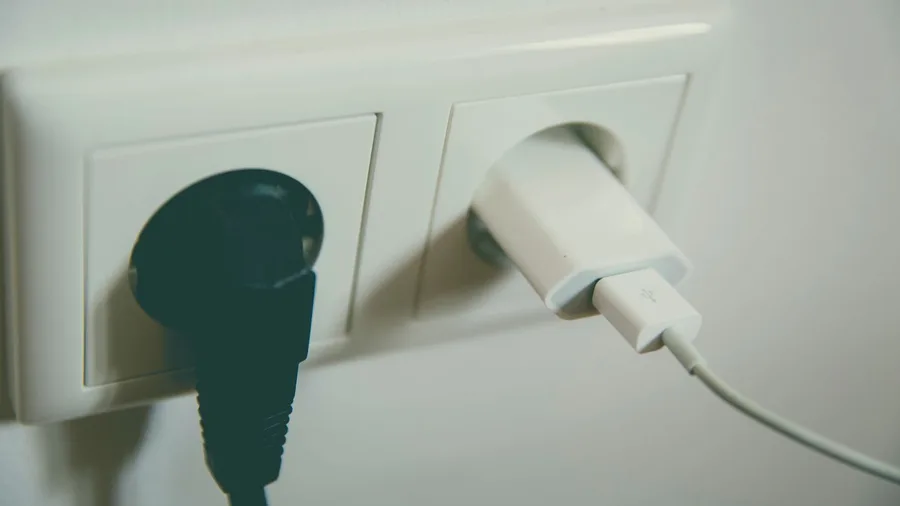
Leaving electronics plugged into wall outlets while turned off still costs real money every month. Standby power trickles into gaming consoles, television sets, and microwave clocks around the clock.
Phantom power drain accounts for up to 10 percent of an average home electricity use. That invisible waste adds up to a noticeable chunk of every monthly bill.
Unplugging entertainment centers and charging blocks eliminates standby power consumption without losing functionality. A power strip with a switch makes this effortless by cutting power to several devices at once.
When money feels tight, buying smart plugs or specialized gadgets is not required. Walking through rooms and unplugging unused chargers by hand costs nothing and achieves the exact same result this week.
2. Unmaintained HVAC Air Filters Block Airflow

Most homeowners wait until a system breaks down to inspect the ventilation, missing the steady waste happening inside the ducts. Dirty HVAC air filters restrict airflow through the ventilation ducts, forcing heating and cooling systems to work harder and burn more electricity while placing severe strain on the blower motor.
Dirty HVAC air filters can increase energy consumption by 15 percent. Replacing filters every 90 days restores proper airflow and system efficiency.
Setting a recurring calendar reminder removes the need to remember when to swap the filter. Leaving the replacement task on autopilot protects the motor and keeps monthly power draw down.
3. Outdated Incandescent Light Bulbs Waste Energy
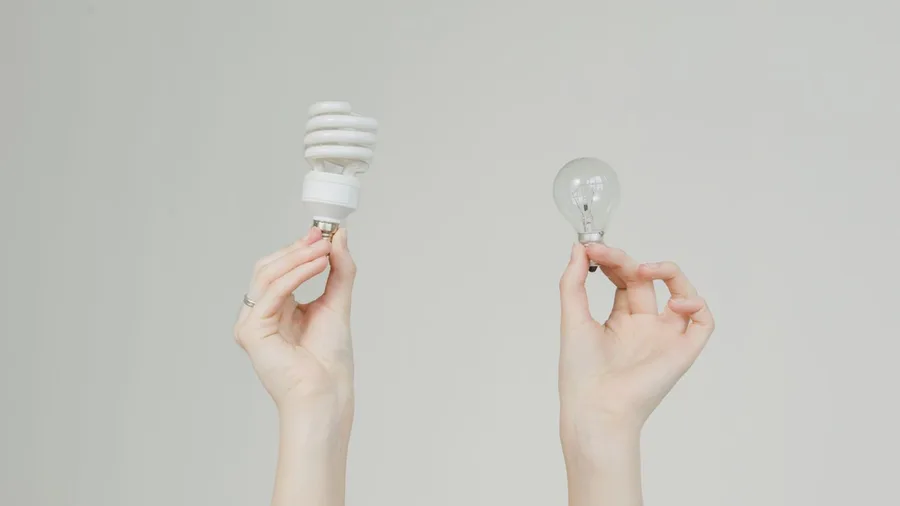
Light bulbs matter.
Traditional incandescent bulbs convert most of their energy into heat rather than light. LED light bulbs use 75 percent less energy than incandescent alternatives.
Kitchen fixtures, hallway sconces, and exterior porch lights run for hours daily and represent high-use fixtures to upgrade first. Replacing incandescent bulbs with LEDs lowers electrical draw and reduces excess heat output.
If a bulb runs for four hours daily using 60 watts, replacing it with a 10-watt LED drops the daily draw significantly. That shift cuts lighting costs on those specific fixtures by three-quarters this month.
Lighting Cost Calculation
Comparing incandescent versus LED annual running costs
4. Sediment Buildup Inside the Water Heater
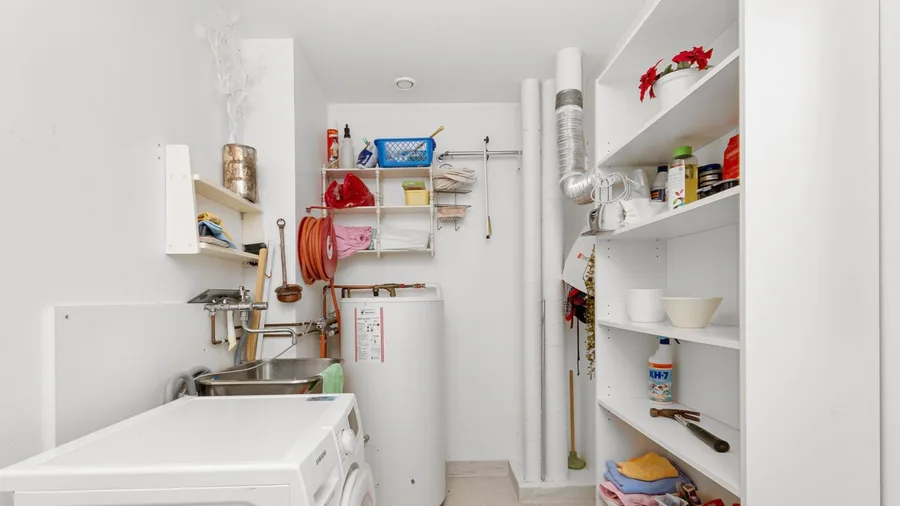
Standard water heaters cost around $400 annually to run, making them a heavy load. That is real money.
Mineral deposits settle at the bottom of the tank over time. They act as a wall between the heat and the water.
This buildup forces the tank to run much longer to get the job done. Your bill goes up.
Draining and flushing the tank every 12 months removes this waste. You simply attach a garden hose to the valve and clear the tank safely.
Do it this weekend. It saves cash.
Quick Efficiency Facts
5. Unsealed Doors and Windows Leak Climate Air

Drafts around doors and windows force heating and cooling systems to work too hard. They cycle all day.
Gaps let your indoor air slip outside. Outdoor air comes right in.
Move a lit stick of incense along door frames to find the leaks. Watch the smoke dance.
Sealing those gaps cuts your loss and lowers your bill.
6. Manual Thermostats Heat Empty Rooms
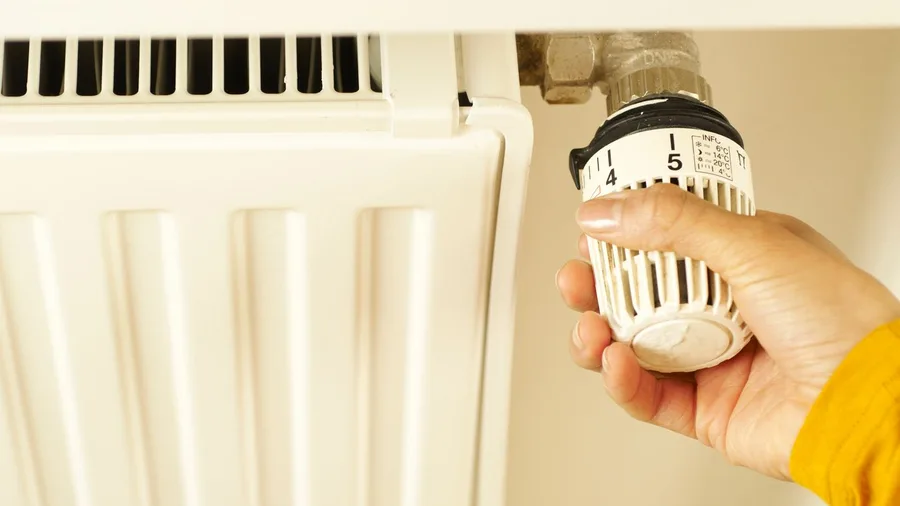
Set your dials down before you leave for the day. Do it now.
Keeping the house warm when nobody is home wastes power.
Programmable thermostats can save up to 10 percent a year on bills. That is a solid cut.
Lower the heat by a few degrees for eight hours a day. It makes a big dent in your costs.
Fixed daily work schedules make this very easy to do.
Energy Waste Severity Scale
Ranking common household utility drains by impact
- Phantom loads: Continuous minor electrical draw.
- Air drafts: Moderate climate loss through gaps.
- Dirty coils or filters: Severe mechanical strain on major systems.
7. Old Appliances Running Inefficiently

Aging refrigerators and older laundry units draw significantly more power than modern Energy Star models. An old refrigerator from the 1990s uses up to three times more electricity than a modern unit.
Secondary units kept running in warm garages are major culprits driving up electric bills. Frequent compressor cycling and warm interior cabinet walls serve as clear signs of compressor inefficiency.
Replacing a running vintage appliance requires upfront cash, but the ongoing electrical savings usually pay for the hardware upgrade over time.
8. Exhaust Fans Venting Conditioned Air Outside

People assume that leaving an exhaust fan on longer gets the room cleaner, but it actually just wastes conditioned air. Leaving bathroom and kitchen exhaust fans running too long pulls heated or cooled air right out of the house. Exhaust fans create negative pressure that sucks conditioned air through building cracks and vents it outside.
Running kitchen and bathroom fans for 20 minutes after cooking or showering provides the ideal run time. Installing automated timer switches prevents fans from running indefinitely.
9. Dirty Refrigerator Coils Strain the Compressor

Skipping basic fridge maintenance can add fifty dollars or more to your yearly electric bill while ruining the compressor early. Dust blocks heat from leaving the coils, so the motor runs constantly.
Clean the back of your fridge every six months. Pet owners need to clean the coils every three months to stop heavy fur clogs.
Unplug the fridge and pull it away from the wall. Grab a long brush and a vacuum crevice tool to clear away all the dust.
Cleaning takes ten minutes. That small habit protects your food and cuts your electric bill right away.
Energy Habits Comparison
Inefficient Habits
- Leaving gaming consoles in standby mode
- Ignoring HVAC filter replacements
- Running exhaust fans indefinitely
Saving Habits
- Using smart power strips for entertainment centers
- Replacing air filters every 90 days
- Installing automated timer switches
Frequently Asked Questions
How much can I save by unplugging phantom loads?
Eliminating phantom power loads can reduce household electricity use by up to 10 percent annually. Using switched power strips makes disconnecting multiple devices simple.
How often should I change my HVAC air filter?
Replace your air filter every 90 days to maintain proper airflow. Homes with pets or heavy dust may require monthly replacements to prevent system strain.
Do programmable thermostats really lower heating costs?
Yes, setting automated temperature setbacks of 7 to 10 degrees for eight hours daily saves up to 10 percent per year on heating and cooling bills.
Why do refrigerator coils need cleaning?
Dust buildup on condenser coils prevents heat release, forcing the compressor to run longer cycles and consume excess electricity.
Prioritizing Your Utility Action Plan
Lowering utility bills does not require expensive home renovations or professional help.
Start with zero-cost adjustments like unplugging idle electronics, sealing door drafts, and setting proper thermostat schedules.
Tackle mechanical maintenance tasks next by flushing your water heater and cleaning refrigerator coils to capture immediate savings.
Eliminating phantom loads and sealing air leaks permanently lowers household utility expenses, bringing your monthly costs back down to where they should be.
Check Your Utility Drains Today
Review your home for standby electronics and schedule your next air filter replacement.