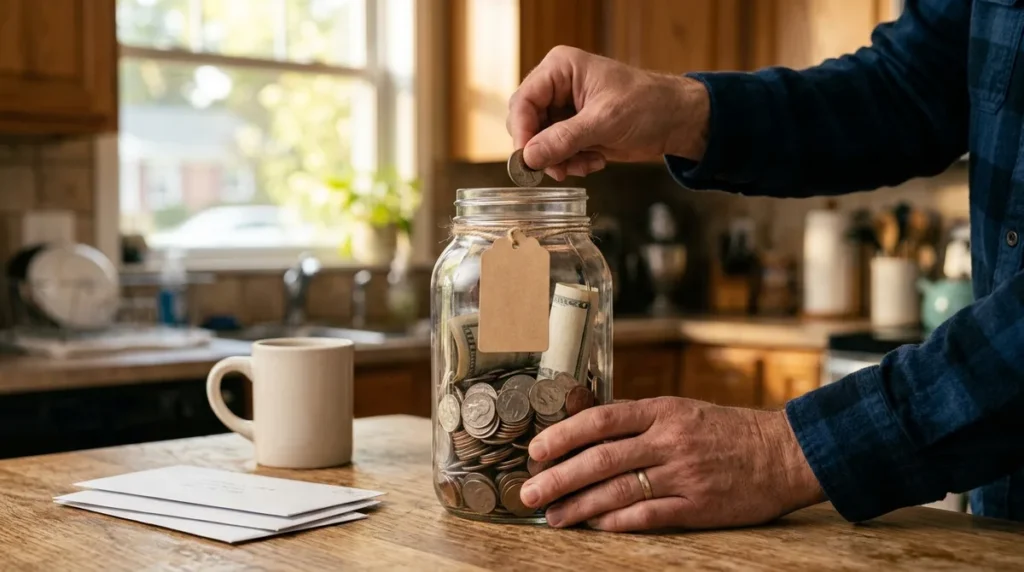
Most people assume that building savings requires cutting out every enjoyment in life.
That belief keeps your bank balance flat while subscriptions and automatic renewals quietly drain your checking account every month.
You do not need a strict lifestyle overhaul to build a cushion.
You just need to plug the small leaks that add up to hundreds of dollars a year.
This guide walks through fourteen specific expenses you can cancel today without missing a thing.
At a Glance
1. Duplicate Video and Audio Streaming Services

Paying for four different streaming platforms because each one hosts a single show is a quiet trap.
When you audit your actual viewing history, you likely use only one service regularly while the others auto-renew in the background.
Cancel three of them today and keep the one you open most often.
If a specific show returns next season, resubscribe for a single month, watch it, and cancel again.
This simple rotation saves about $15 every month without changing your Friday night routine.
💡 Tip: Rotate your streaming services one at a time instead of paying for all of them simultaneously.
💸 2 quick taps · about 20 seconds
Find the expense category eating your monthly cash flow
Get a direct recommendation on which subscription or fee to cut first based on your spending habits.
Start with this question
- What type of recurring charge frustrates you the most? Streaming services I never watch · Bank fees and hidden account charges
Then read the part written for you
- Target bank fees and premium checking costs — You are losing money to maintenance charges that online alternatives waive completely. Switch your primary checking account this week. $12 Read: 4. Unused Bank Account Maintenance Fees →
- Prune overlapping video and audio streaming subscriptions — You are paying for duplicate content libraries across multiple platforms. Keep your single favorite service and cancel the rest. $65 Read: 1. Duplicate Video and Audio Streaming Services →
- Audit convenience fees and delivery memberships — Small delivery markups and expedited shipping clubs drain your grocery budget faster than dining out. Cut the delivery apps. $40 Read: 3. Unused Grocery and Food Delivery Memberships →
2. Unused Gym Memberships and Fitness Apps

Check the gym gate.
Paying fifty dollars a month for a gym pass you visit twice a year is a direct tax on optimism.
That is six hundred dollars a year for an empty locker.
Fitness centers count on your good intentions to keep charging your card while you work out at home or run outside for free.
They rely on silence.
Cancel the commercial membership immediately if your attendance tracker shows fewer than four visits last month.
That is fifteen dollars per visit for those two lonely sessions.
Replace the paid app with free bodyweight routines or outdoor running tracks in your neighborhood.
Put the fifty dollars straight into your savings account on the first of every month.
Watch that balance grow.
Monthly Subscription Leakage Breakdown
3. Unused Grocery and Food Delivery Memberships

Do you really need that delivery pass on your phone? Most people buy it for free shipping. That perk costs ten dollars every month.
Those monthly fees sound small. They quietly add up to one hundred twenty dollars a year. That is real money for basic convenience.
The real cost hides in the food choices. When delivery feels free, ordering takeout becomes too easy. You tap the screen instead of cooking.
That convenience leads to bigger bills. You spend forty dollars on restaurant food instead of buying fresh groceries. That habit repeats every week.
Cancel the subscription right now. Open your phone settings and turn off the auto-pay option. Stop paying for the temptation to stay home.
Drive to the local store yourself. Pick up your own bags and save the markup. That simple change keeps thirty dollars in your pocket every single week.
💡 Tip: Plan your weekly grocery trip on Sunday morning so you never rely on emergency delivery apps.
Delivery App Real Cost — At a Glance
💵 Annual pass cost
$120
🍔 Weekly takeout premium
$30
🚗 Yearly drain on cash
$1,680
The exception
Keep the pass only if you live without a car and use it strictly for bulk pantry staples.
4. Unused Bank Account Maintenance Fees

Twelve dollars leaves your checking account every month.
That is $144 every year just to keep your cash in a traditional bank.
You might think staying with a big bank keeps your money safe.
The numbers tell a different story.
You pay them a fee to hold your cash and earn zero interest.
Move your cash to a free online bank or a credit union.
Check your last three statements today.
Call customer service to ask for a refund or close the account.
Bank Fee Arithmetic
Compound cost of a standard ten-dollar monthly checking account fee
5. Forgotten Cloud Storage and Software Subscriptions
Extra digital storage tiers and specialized editing apps add up silently on your credit card statement.
You signed up for a two-terabyte plan three years ago for a specific project, and now you pay ten dollars every month for space you do not use. That comes to one hundred twenty dollars every year spent on digital room that sits empty.
Log into your device account settings today, check your actual storage usage, and downgrade to the free tier.
Best For Cloud Storage
6. Unread Magazine and News Site Paywalls

Cancel every digital news subscription except for the single publication you read cover-to-cover every single day. Paying for digital access to three different newspapers you barely skim is an outdated habit that drains your monthly cash.
Most breaking news and long articles are free online. You can use your local public library card to read full digital archives without paying a dime.
This simple cut saves twelve dollars a month instantly. Over a full year, that adds up to $144 saved in your bank account.
That is real money you can put toward grocery shopping or an emergency fund. Check your credit card statement tonight and drop the extras.
💡 Tip: Check your local library app for free digital magazine subscriptions before paying publishers directly.
7. Extravagant Pet Subscription Boxes

People think pets need monthly surprise boxes to feel loved. That is false. Monthly mystery boxes filled with gourmet treats and plush toys are fun to open once. By month three, your dog has more chew toys than interest. Treats sit untouched in the pantry.
That costs $25 a month. That is $300 a year. Cancel the subscription box right now. Buy durable toys directly from the store when needed.
Your pet will not notice the cardboard boxes. Put that money into an emergency veterinary fund this week.
💡 PRO TIP
Build a dedicated pet emergency fund
Instead of spending thirty dollars a month on random toy boxes, transfer that exact amount into a separate high-yield savings sub-account labeled for veterinary care.
8. Unused Premium Coffee Bean Delivery Clubs

Artisanal coffee subscriptions arriving every two weeks sound luxurious until bags start piling up in your pantry faster than you can brew them.
When you pay twenty-two dollars per bag for specialty roasts delivered on a rigid schedule, you end up wasting beans that go stale.
Let us look at the arithmetic behind a standard biweekly delivery plan.
Taking twenty-two dollars multiplied by two shipments each month gives you forty-four dollars spent every thirty days.
Multiply forty-four dollars by twelve months to find your annual total of five hundred twenty-eight dollars.
That is more than five hundred dollars a year leaving your checking account for coffee you often fail to drink on time.
Cancel the automatic shipment and buy a single bag of local beans from the grocery store only when your canister runs completely empty.
This gives you total control over your consumption rate and matches your actual caffeine habits, saving you over twenty dollars a month while still enjoying a great cup of coffee.
9. Overpriced Mobile Phone Insurance Plans

Think about your phone protection.
Paying $15 a month plus a hefty deductible for carrier phone insurance is a poor financial bet. That is the amount you pay out of pocket before coverage starts. Over two years of ownership, you spend nearly $400 on insurance premiums alone for a device that depreciates rapidly. That is the regular monthly fee paid to keep a policy active. Most people never file a claim, meaning the insurance company keeps pure profit.
Decline carrier insurance and use a credit card that offers free cellular protection when you pay your monthly wireless bill. Put that $15 into your general savings account each month to self-insure against accidental damage.
Jargon, Decoded
10. Unused Meal Kit Delivery Boxes

Meal delivery boxes look like a helpful shortcut on busy weeknights, but they actually charge double the price of basic grocery store ingredients. You pay for portioned vegetables and small plastic bottles of sauce rather than the food itself.
When a hectic work week hits and you skip cooking two boxes, those fresh vegetables spoil in the bottom of the refrigerator and go straight into the trash. That waste turns a costly convenience into a total loss of money.
Cancel the subscription today and write down your three favorite recipes from past boxes. You can easily recreate those meals using standard grocery store items bought during your regular weekly trip.
Shop once a week with a structured list to keep your food costs predictable and steady. This single shift saves sixty dollars every week without sacrificing home-cooked dinners, adding up to two hundred forty dollars saved in a typical month.
11. Unused Premium Parking and Transit Passes
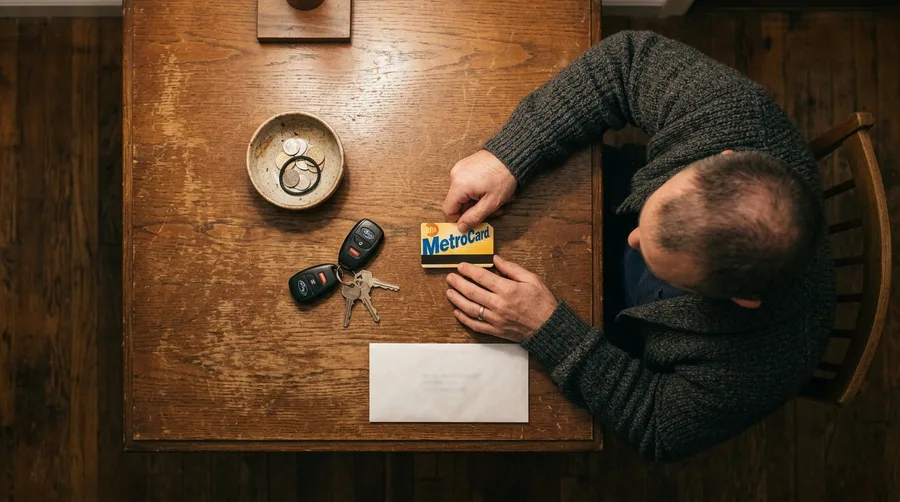
Twelve days sitting unused every single month adds up to real waste when you buy a flat transit pass for a hybrid schedule. Paying for a full month when you only go to the office twice a week means you are buying rides you never take. That is a leak in your budget.
A monthly transit pass costs one hundred twenty dollars while individual tickets for eight office days cost seventy dollars. That leaves fifty dollars sitting in someone else pocket. The math is simple when you check your actual trips.
Cancel the monthly pass today and switch to a reloadable card. Pay for individual rides as you board. Put that fifty dollars into your savings account instead.
12. Unchecked Paper Statement and Paper Bill Fees

Log into each billing portal today and switch your account preference to paperless electronic statements. Utility companies and credit card issuers often tack on a two-dollar monthly paper statement fee if you do not opt out of getting physical mail.
Over a year across five different utility and financial accounts, those tiny charges add up to over one hundred dollars for paper you throw away. That money pays for the printer and the envelope, not anything useful for your household.
Save digital PDF copies in a designated folder on your computer if you need records for tax season. Keep your mail uncluttered and stop paying companies to print invoices.
13. Unused Specialty Retail Store Memberships

Paying an annual membership fee for a warehouse club or a specialty shopping site makes sense only when your household size matches the bulk quantities. That is the basic rule.
If you live alone or shop there twice a year, the yearly fee outweighs any savings on bulk groceries. The math fails.
Take a household of one spending $60 a year for access to bulk aisles. That is $5 a month just for the right to buy in larger sizes. Buying four bulk jars of pasta sauce saves $8 compared to the supermarket, but three jars sit on the shelf and eventually spoil.
The net savings drop to zero once you throw away spoiled food. You paid the store for the privilege of wasting groceries. That happens often.
Review your store receipts from the past twelve months. Calculate your total savings against the membership cost to see the real gap. Cancel the renewal if the math does not show a clear net positive after subtracting the fee. Shop at local grocers or standard supermarkets instead for exact quantities you will actually consume.
14. Redundant Premium Credit Card Annual Fees

Keeping a credit card with a high yearly fee when you rarely travel means you are paying hundreds of dollars for perks you never touch. That money is gone for good.
Paying $250 a year for airport lounge access sounds nice until you realize you only fly once a year. That comes out to $250 for a single airport snack and a quiet chair.
Call the number on the back of your card today. Ask to switch to a card with no yearly fee.
Banks often offer to waive the fee or give you bonus points to keep your business. If they say no, downgrade the card so you stop leaking cash every single year.
Frequently Asked Questions
How do I find hidden recurring subscriptions on my bank statements?
Download your last three months of bank and credit card statements as a spreadsheet. Sort transactions by description or look for identical amounts hitting your account on the exact same day each month.
What is the best way to cancel services without talking on the phone?
Most subscription services allow you to cancel directly through your online account settings page under billing or membership management. If a chat option is available, use that to keep a written record of your cancellation confirmation.
Will canceling old subscriptions hurt my credit score?
Canceling streaming services, gym memberships, and utility plans has zero impact on your credit score because they do not report to credit bureaus. Closing a credit card with an annual fee requires checking whether it is your oldest account to avoid shortening your credit history.
What should I do with the money I save from canceling these expenses?
Set up an automatic transfer on your payday to move the exact dollar amount of the canceled expense straight into a high-yield savings account or an emergency fund before you have a chance to spend it.
How often should I audit my monthly recurring expenses?
Review your bank and credit card statements every three months to catch unwanted subscription price hikes, forgotten free trials, and annual renewals before they drain your checking account.
Canceling Fourteen Recurring Expenses This Month
Trimming these fourteen recurring expenses transforms your monthly budget without requiring drastic lifestyle changes.
When you cancel three unused subscriptions totaling forty dollars a month and redirect that cash into your savings account, your balance grows steadily on autopilot.
Over twelve months, that single habit saves you four hundred eighty dollars.
Pick three items from this list to cancel today and watch your available cash flow expand by the end of the month.