
The store receipt prints out at forty dollars for items that cost ten dollars to make.
That sticker price feels fixed.
It is not.
People who keep their money look at every price tag as a starting point.
They save thousands of dollars each year just by refusing to pay the top rate.
This guide covers seventeen common categories where retail pricing is optional, starting with how much you save on cars and working down to everyday goods.
🎯 THE SHORT ANSWER
The Short Answer
Frugal millionaires refuse to pay retail for depreciation-heavy assets, routine services, and disposable goods. They delay purchases, buy used, or negotiate terms to keep their capital intact.
1. Buy Used Vehicles Instead of New
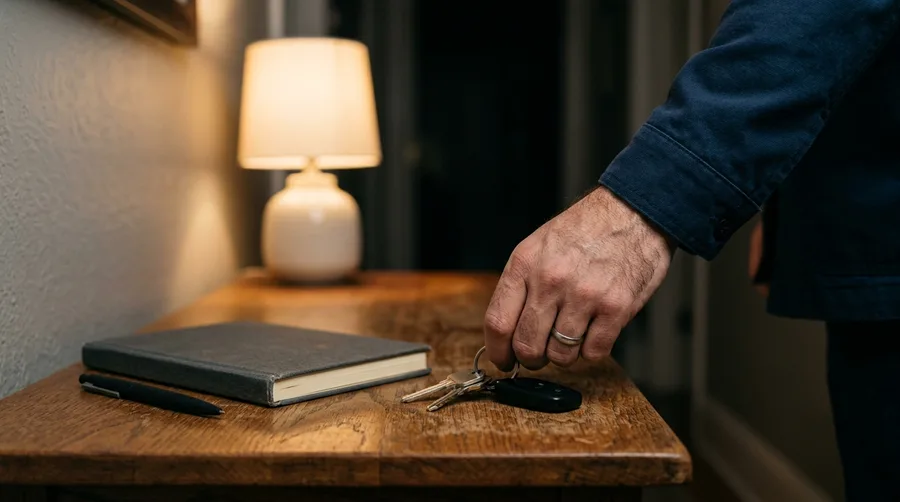
A brand-new car loses twenty percent of its value the moment it leaves the lot. That drop is steep.
As an illustrative example, Ray, 27, saved $8,000 on a used hatchback instead of buying new.
Always check the service record before you pay.
💡 Tip: Look for lease returns with under thirty thousand miles for the best balance of price and reliability.
At a Glance
2. Skip Retail Furniture Markups
Check estate sales before you buy a new dresser or dining table. Stores mark up cheap wood items by more than two hundred percent. That is a massive waste of cash.
Old solid wood pieces last for generations. They were made by hand with real joints. Modern flat-pack furniture falls apart in a few years.
Look at online marketplaces for used tables. A solid oak table often costs fifty dollars online. Brand new ones cost five hundred dollars.
You save four hundred and fifty dollars right away. That money stays in your bank account.
Rent a truck for twenty dollars to pick up the item. You avoid high delivery fees completely. Do the heavy lifting yourself.
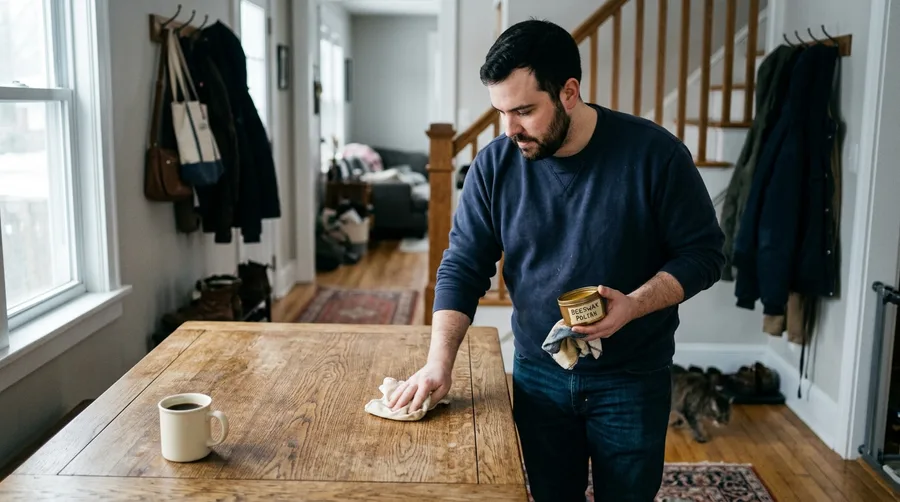
Fix up the surface with a little beeswax. A simple rag and some wax make old wood shine like new. It takes twenty minutes.
Check the drawers before you pay. Make sure the wood is strong and does not wobble. Then load it up and take it home.
💡 Tip: Check estate sales in established neighborhoods for high-end furniture sold by people downsizing.
Furniture Savings Breakdown
🏷️ Retail Price
$1,200
🤝 Secondhand Price
$250
💵 Total Savings
$950
⏳ Lifespan
20+ Years
Smart Buy
Solid wood holds its value and can be refinished multiple times.
3. Avoid Full Price Airline Tickets

Why pay top dollar for the exact same seat on a plane?
Airlines change prices every hour to catch travelers who must fly on specific days. Business flyers pay peak rates because companies cover the bill.
You can beat this system with simple timing.
If your travel dates are flexible by just twenty-four hours, the cost of a cross-country ticket drops by half.
Suppose a standard ticket costs four hundred dollars on a Friday, but drops to two hundred dollars on a Tuesday. That is a fifty percent savings on one flight.
Multiplying that two-hundred-dollar difference across three annual trips saves six hundred dollars instantly. That is cash kept in your bank account.
Use fare aggregation tools with flexible date grids to spot the cheapest departure windows. Book your seats several months in advance for peak holiday seasons, or wait for airline flash sales for off-peak getaways.
Booking Window Thresholds
The exact timing rules for off-peak versus holiday travel
Excludes flash sales lasting under twenty-four hours.
4. Never Pay Full Price for Textbooks
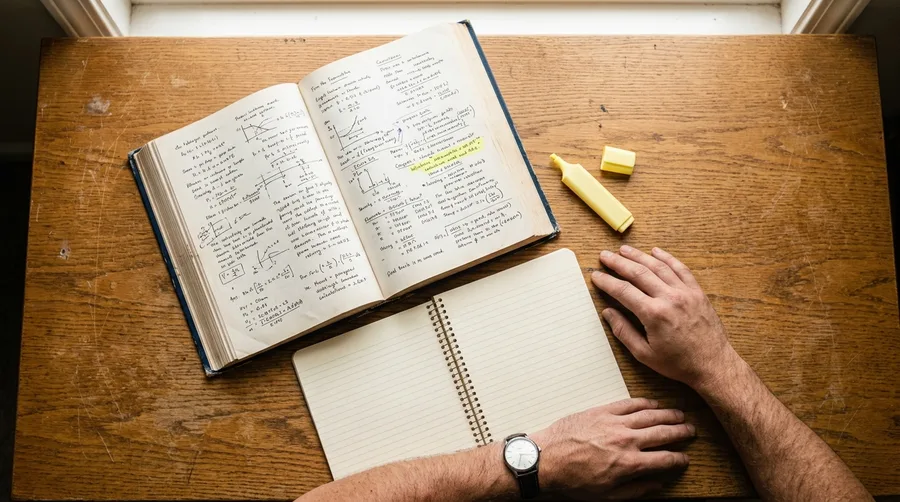
Book costs hurt.
College shops charge up to $300 for a single new book.
Publishers print tiny updates just to stop people from reselling old copies.
That trick forces students to buy fresh books every single year.
Renting digital books cuts those costs in half.
You can also buy last year book if your teacher says the pages match.
Check student boards to buy used books right from peers.
If money is very tight, rent just the first few chapters to get started.
Look up your book list today and check rental prices before you buy new.
🔍 2 quick taps · about 20 seconds
Find Where Your Money Leaks
Get a direct recommendation for your biggest spending category in two taps.
Start with this question
- Which purchase hurts your bank account the most? Big ticket items like cars or major appliances · Everyday retail goods and clothing
Then read the part written for you
- Focus on Retail and Clothing Discretion — You are losing money on high-margin consumer goods that lose value instantly. Read: 12. Avoid Brand-New Clothing →
- Target Depreciation Assets First — Your best financial wins come from letting someone else take the initial depreciation hit. Read: 1. Buy Used Vehicles Instead of New →
- Optimize New Purchases with Timing — You can still buy new items by strictly aligning your purchases with seasonal clearance cycles. Read: 8. Skip Seasonal Retail Goods →
5. Skip Brand-Name Groceries

People assume that higher prices at the grocery store mean better ingredients inside the package. The truth is much simpler.
Grocery store shelves feature prominent national brands that spend millions of dollars on television advertising and packaging. Store-brand equivalents often roll off the exact same manufacturing lines with a different label slapped on the container.
Switching your pantry staples from national brands to store brands cuts your monthly grocery spending by twenty-five percent without changing your diet. On a $600 monthly bill, that shift saves you $150 every month.
Compare the ingredient lists on the back of the box to confirm you are getting the identical food item. Keep a price book to track unit costs across local supermarkets so you know when a sale is genuine.
Pick three pantry items to swap on your next shopping trip to test the difference.
💡 Tip: Check the bottom shelves where supermarkets hide lower-priced generic items away from eye level.
⚠️ COMMON MISTAKE
The Generic Trap
Do not assume every generic item matches the name brand. Test baking supplies and spices first, as quality can vary significantly for specific recipes.
6. Avoid Full Price Gym Memberships

Commercial fitness clubs rely on people signing up in January and never showing up after the first month. Paying month-to-month at full rate locks you into an expensive contract for facilities you might barely use. That means paying $60 a month for something that sits empty most weeks.
Commercial clubs often drop their initiation fees if you simply ask during their quiet months. Negotiating an annual rate upfront can save you $200 over the course of a year. Check with your employer about corporate wellness discounts before you sign anything.
Review your actual attendance every three months to see if the cost makes sense. If you only went twice last month, cancel the membership and build a home setup with basic resistance bands and adjustable dumbbells instead.
7. Never Buy New Smartphones

Buying a new phone every twelve months wastes hundreds of dollars for almost no gain in speed or camera quality. That habit drains your savings.
Makers launch new models each year with tiny changes. A brand new phone costs $1,000. That is a heavy tax on your budget.
Get a model that is two years old instead. You save over fifty percent. You get nearly all the same speed.
Ray, an illustrative buyer at age 27, skipped the latest flagship model and saved $600 by buying a phone from the previous year. That kept cash in his pocket.
Carrier deals look cheap at first glance. They lock you into long service contracts. Those monthly fees take back your savings.
Buy an unlocked phone from a trusted shop instead. Make sure it has a one-year warranty. You keep your freedom to switch plans anytime.
A weak battery just needs a simple swap. A new battery makes an old phone fast again for a tiny cost. Protect it with a strong case to make it last five years.
Ignore the ads telling you your tech is old. Keep your phone until it stops working. Put that saved money into your emergency fund.
Smartphone Upgrade Cost Comparison
Assumes standard carrier plan without promotional contract locks.
8. Skip Seasonal Retail Goods

Most buyers purchase winter coats in December when snow falls and prices reach their highest point. Buying off-season reverses that habit completely by waiting until stores need empty shelves.
Retailers slash prices by seventy percent at the end of every season to clear inventory space for incoming merchandise. That massive drop saves you money on goods you need anyway. That is the cash flow protection you gain by timing your purchases right. Having extra cash left in your bank account makes paying your bills much easier.
Buying winter coats in July and patio furniture in November requires foresight, but preserves your cash flow. You spend forty dollars on a heavy coat in summer instead of one hundred forty dollars in winter. That leaves one hundred dollars in your pocket for groceries.
Look at upcoming seasonal needs this weekend and buy last year items now.
9. Avoid Full Price Hotel Bookings
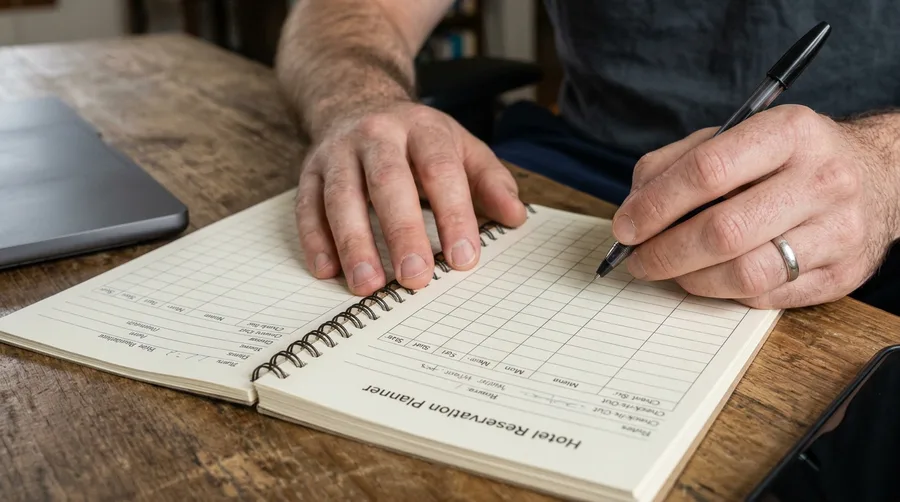
Can you stop paying full price for places to sleep when you travel? You certainly can if you look past standard travel portals.
Booking through regular sites often locks you into inflated rack rates. That is the base price before any discounts apply.
If a standard room costs $300 per night, wholesale travel clubs or bidding platforms cut that rate down to $180. That is a solid $120 saved every single night.
Suppose you take a five night vacation every year using this method. That single adjustment keeps $600 in your bank account for your next trip.
Call the front desk directly after you check online rates. Ask if they can match or beat the promotional price. Many places will do it to fill an empty room.
Travel during shoulder seasons when hotels drop rates naturally. You still get a great room while keeping your costs low.
10. Never Pay Full Price for Tools

Buying a brand new drill at the hardware store feels like the standard path for weekend repairs, but retail shelves carry massive markups for gear you might use twice a year. Instead of paying $200 for a cordless drill in a shiny plastic box, you can find professional industrial models sitting in pawn shops for $60.
That steep discount happens because construction grade tools are built to outlast their first owners. Test the motor before handing over cash, and spend your leftover savings on sharp new drill bits that actually do the cutting work.
11. Skip Movie Theater Concessions

Buy your treats before you get to the ticket counter. Movie theaters make most of their profit from food markups that reach one thousand percent.
Paying twelve dollars for a small tub of popped corn drains a family outing very fast. When you take four people to a show, the snacks cost more than the seats.
Eat dinner at home first. Pack a small candy bar in your coat pocket if the rules allow it, and keep your entertainment budget safe.
You can also wait four weeks to stream the film from your living room couch. That choice drops the total cost to zero beyond your normal internet bill.
12. Avoid Brand-New Clothing
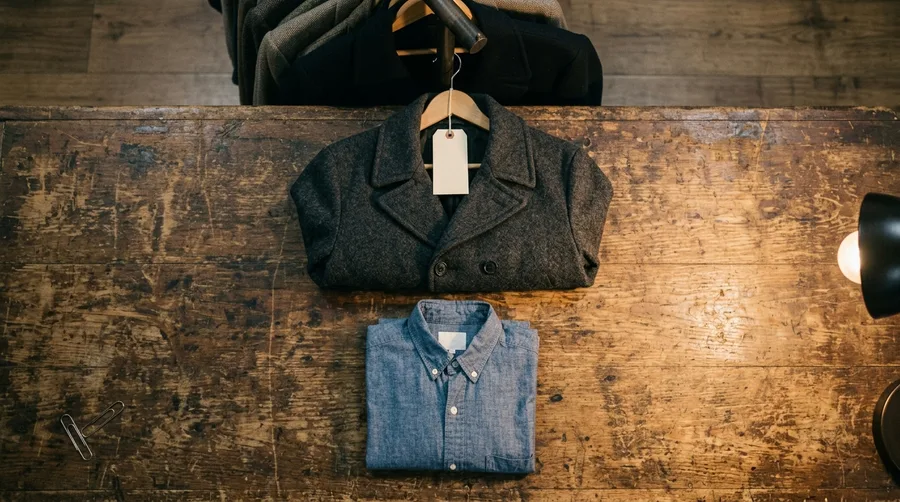
Most people assume brand-new clothing holds its value reasonably well over time. Clothing actually depreciates faster than almost any other consumer category the second it leaves the store.
High-end thrift stores and online consignment platforms offer designer wool coats and leather shoes in nearly new condition for eighty percent off retail. Suppose a designer wool coat retails for $400 brand new. Finding it at a consignment boutique for $80 preserves $320 of your hard-earned cash.
Inspect zippers, seams, and fabric lining before purchasing to ensure the garment will last for years. Building a capsule wardrobe with high-quality secondhand pieces keeps your style sharp without emptying your wallet.
13. Never Pay Full Price for Eyewear

Three hundred dollars is the normal price for a single pair of glasses at a standard optical shop. That high cost comes from a tight monopoly that controls both frames and lenses.
Traditional stores mark up simple plastic and metal because buyers rarely shop around for sight. Online prescription eyewear makers cut out those extra middlemen entirely.
They sell identical frames and polycarbonate lenses for under fifty dollars. Ray, an illustrative example, saved two hundred dollars by ordering his spare pair on the web last month.
Always ask your eye doctor for your exact pupillary distance before you leave the exam room. That extra measurement lets you buy cheap backup pairs online without any hassle.
Check your health insurance policy today to see if your plan covers direct online reimbursement. Filing that simple claim puts cash back in your pocket within a week.
14. Skip Brand-New Lawn Equipment

New hardware store mowers cost $450 before tax and setup charges. That is real money. Gas mowers last for decades.
Hardware stores charge $100 just to assemble and prep a new box. People sell those same machines for $150 when they move to a condo.
Ray, an illustrative example of a cautious buyer, checked local ads last spring. He found a gas mower that looked dusty but ran well. The seller wanted $125.
Ray asked the owner to start the engine right on the driveway. It started on the second pull. That proved the motor was solid.
He saved $325 instantly. Gas tools are tough machines. Basic spark plugs and fresh oil keep them running for years.
Drain the old fuel before winter. That stops the carb from clogging up. You avoid repair bills.
15. Avoid Full Price Fitness Gear
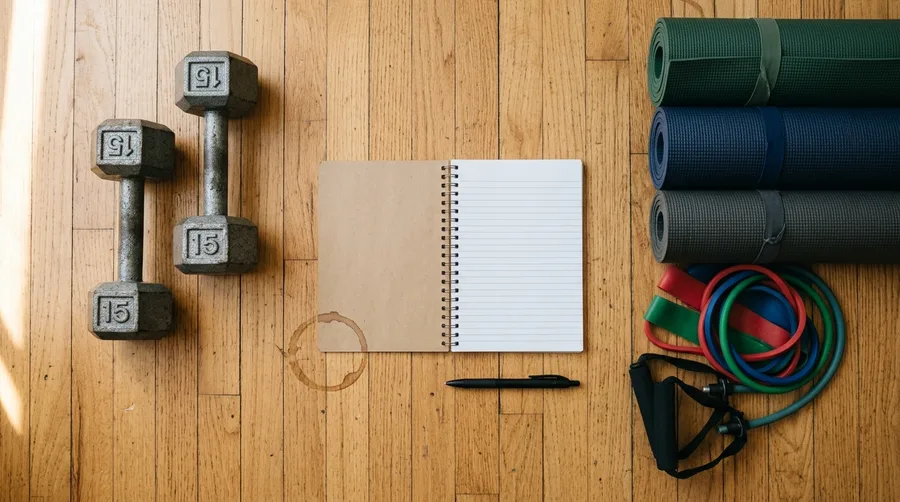
Pay for iron once.
Yoga mats, dumbbells, and resistance bands carry massive brand markups when purchased at specialty sporting goods boutiques. You can buy cast-iron weights by the pound from local sellers or garage sales where gym equipment is sold for scrap value. Iron does not wear out or lose its resistance over time, making secondhand weights a permanent investment instead of a recurring expense.
If buying a full set feels too expensive right now, start with a single pair of adjustable dumbbells or a basic resistance band from a secondhand shelf. Open a local online marketplace today and search for used weights within five miles of your house.
16. Never Pay Full Price for Pet Supplies
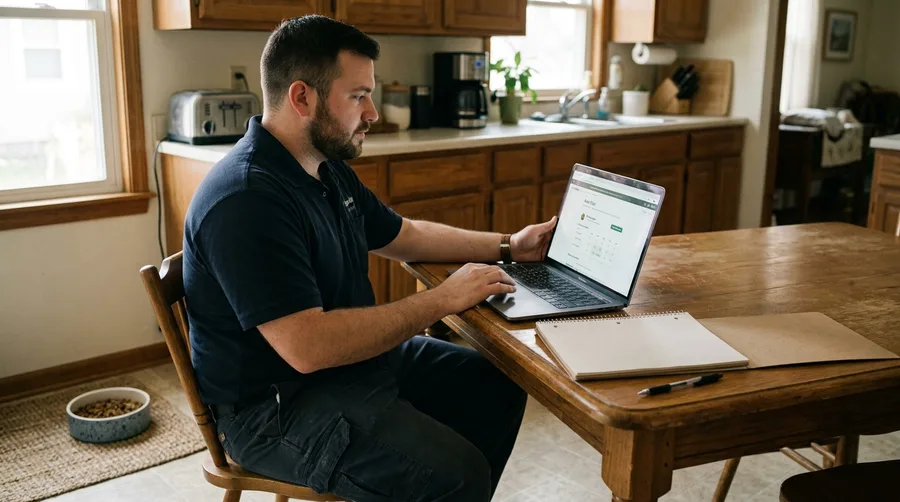
Pet stores rely on emotional spending to convince owners to buy expensive toys and treats. That trap costs families hundreds of extra dollars every year. Smart care starts with trimming those retail markups.
Buy pet food in bulk online through recurring delivery subscriptions. Those autoship orders save fifteen percent off standard retail prices. That is a direct discount on every bag.
Suppose your monthly pet food bill is eighty dollars. Autoship discounts save twelve dollars every single month. That is real cash left in your pocket.
That adds up to one hundred forty-four dollars in annual savings without changing the quality of the food. It takes two minutes to set up online.
Check local animal shelters for discounted crates and carriers rather than buying them brand new. Get durable nylon leashes that last a lifetime instead of trendy decorative items. Skip the boutique trends entirely.
Smart pet care focuses on veterinary preventative health rather than overpriced accessories. Your pet gets the exact same care for less money.
17. Skip Brand-New Kitchen Appliances
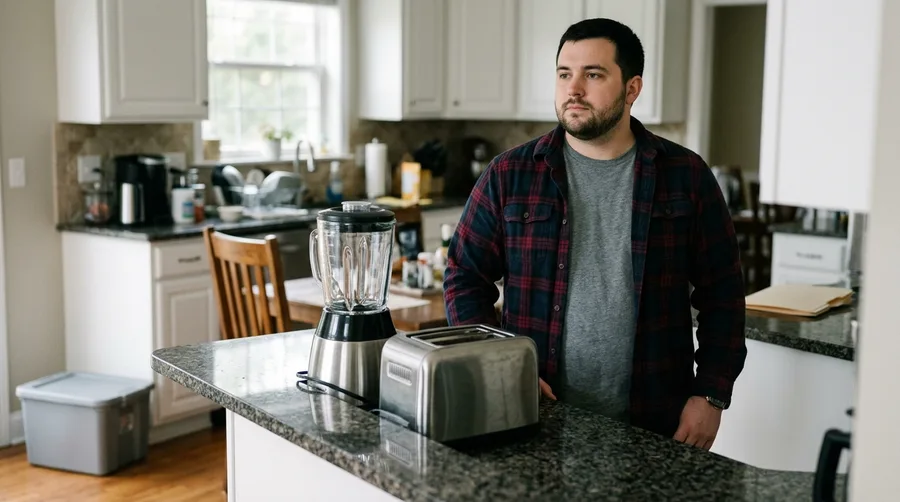
Buying brand-new countertop mixers and blenders drains hundreds of dollars from your kitchen budget before you even figure out how to use the pulse button.
You might think that factory packaging guarantees better performance, but these heavy-duty items are frequent wedding gifts that often end up completely unused in storage boxes.
Check online classifieds for barely used appliances sold by people who realized they never bake or cook at home.
Buying these items second-hand saves you over sixty percent off retail prices while giving you commercial-grade kitchen performance for the long haul.
Search local listings tonight for a heavy-duty blender or mixer at a fraction of the store price.
Frequently Asked Questions
Why do frugal millionaires avoid paying full price?
Paying retail markup transfers your hard-earned capital to corporations for items that lose value immediately. Keeping that cash allows it to compound in investments instead.
Does buying used items compromise quality?
Not if you inspect items thoroughly. Solid wood furniture, industrial tools, and pre-owned vehicles often outlast cheap modern retail alternatives.
How do I start applying these frugal habits without feeling deprived?
Pick one category, such as groceries or clothing, and try buying second-hand or generic for thirty days to experience the savings firsthand.
Are there items you should never buy used?
Yes. Safety equipment like helmets, car seats, and perishable goods or items with hygiene concerns should generally be purchased new.
How much can I save annually by avoiding retail markups?
By cutting depreciation losses on cars, buying used furniture, and utilizing grocery and travel discounts, households routinely save several thousand dollars every year.
Choosing One Thing Not to Pay Full Price For Today
Wealth grows when you stop paying for the label and start paying for the actual item.
Look at your shopping list for this week and pick just one category to buy used or on clearance.
If you planned to spend one hundred dollars on a new tool or book, find a used version for forty dollars instead.
Move that sixty dollar difference straight into your savings account today before it leaks away.
Check Your Spending Categories Now
Review your last three receipts to find one item where retail markup drained your cash unnecessarily.