
Two people earn the exact same monthly paycheck and live in identical apartments. One watches savings grow while the other checks credit card balances with a sinking feeling every single week.
That gap comes down to a few split-second clicks on checkout screens rather than massive income differences. Small online purchases slip past your notice until they swallow an entire paycheck.
You do not need more willpower to fix this habit. You need a structural pause that stops the impulse before money leaves your account.
This guide walks you through the exact thirty-day waiting system that halts casual spending for good. By the end, you will know how to separate genuine needs from fleeting urges without feeling deprived.
Why Your Brain Caves to Instant Checkout Buttons

Online shopping is built for speed.
Retailers spend billions making checkout effortless, so your card is charged before your logical brain can catch up to your desires. That quick rush of excitement comes from anticipation instead of ownership. A chemical called dopamine spikes when you click buy, but it crashes forty-eight hours later when the plain cardboard box finally arrives on your doorstep.
Understanding this simple brain loop lets you break it completely. You stop blaming yourself for a lack of discipline and start building physical and digital barriers instead. Look at your favorite shopping app right now and delete your saved credit card numbers to force yourself to type them out manually.
💳 2 quick taps · about 20 seconds
Find your spending bottleneck and fix it today
Get a direct path to the exact waiting rule that fits your specific shopping triggers.
Start with this question
- Where do most of your impulse purchases happen? Late-night online browsing · In-store impulse displays
Then read the part written for you
- The Physical Store Buffer — You need the twenty-four-hour parking lot rule to cool down store urgency. 24 hours Read: Setting Up Your Digital Guardrails →
- The Small-Ticket Leak — Small twenty-dollar buys add up to six hundred dollars a year. Track them tightly. $600
- The Full Thirty-Day Protocol — Large items demand the full thirty-day waiting period to kill initial excitement. 30 days Read: How the Thirty-Day Waiting Period Actually Works →
How the Thirty-Day Waiting Period Actually Works

The waiting period is a simple rule. You pause for a month before you buy.
People mix this up with saving up for a purchase. It is not about putting money aside each week. It is about the gap between seeing something and owning it. That gap is the whole test.
When you spot something you want outside of groceries and bills, write it down on a note app. Include the exact price, date, and store link. Do not keep the tab open in your browser.
Then close the app and walk away for thirty full days. Do not look at the item again during that window.
Most urges vanish within seventy-two hours. That is just three days.
The rush of wanting fades fast when the checkout button is out of reach. If you still want the item after thirty days and have the cash, buy it guilt-free. You proved you actually value it.
Take one small step today. Open your notes app and create a list named for this month.
⚠️ COMMON MISTAKE
The Danger of Checking Too Early
Peeking at your saved items every day keeps the dopamine loop active. Lock the list away and check it only when the full thirty days expire.
What Happens When the Waiting Window Closes

Skipping this final check means buying things your future self will quietly resent, costing hundreds of dollars a year in clutter you never use. Thirty days later, open your waiting list. You will look at most of those entries with confusion and wonder why you wanted them.
Out of ten items written down last month, you will likely cross off seven immediately. The emotional charge is gone, leaving pure logic behind. That delay strips the marketing magic away.
For the three items that survived, ask whether they fit your actual life or just your idealized self-image. Buy only the ones that pass both tests. If you feel stuck on the border, take your list to a fee-only fiduciary or a trusted friend who knows your savings goals before you tap pay.
The Thirty-Day Filter Results
❌ Discarded items
70 percent
✅ Actually purchased
30 percent
💵 Monthly savings
$350 average
Takeaway
Time filters out temporary emotions from your purchasing decisions.
Setting Up Your Digital Guardrails
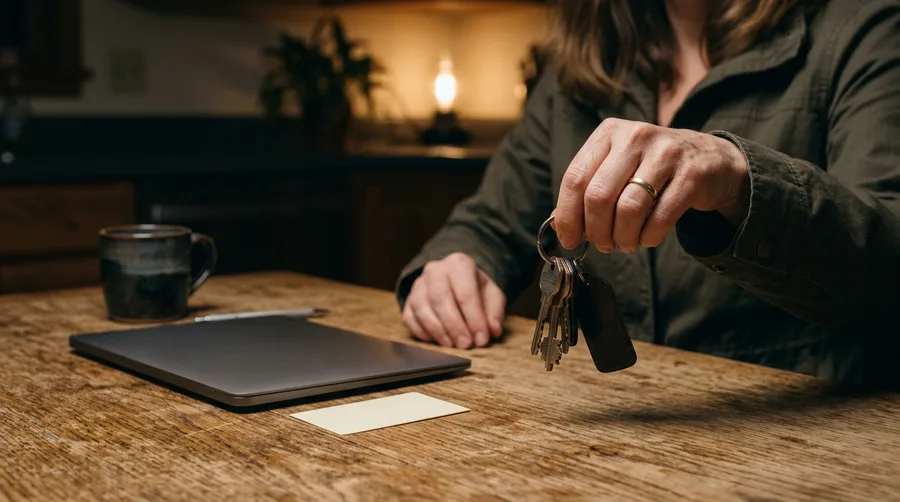
How do you stop midnight impulse buying when stored payment buttons make buying effortless?
Relying on sheer memory fails completely when temptation strikes late at night.
Remove stored credit card numbers from every online retailer right now. That single step changes everything.
Entering sixteen digits manually creates enough hassle to make you pause and think.
That small delay gives your rational mind time to step in before the charge goes through.
Pair deleted card details with a separate debit card holding a fixed fun allowance of $50 per month.
When that balance hits zero, online shopping stops until the next month begins.
⏳ The Four Steps of the Pause
Capture
Write down the item name, price, and link immediately.
Store
Move the note into a dedicated digital folder out of sight.
Wait
Let thirty full days pass without opening the product page.
Decide
Review the list and buy only what still matters.
Which Purchases Deserve an Instant Pass

Most people assume a strict waiting rule applies to every single thing you buy all month long. That is not how this works at all.
Essentials like groceries, utility bills, and emergency home repairs bypass the thirty-day rule entirely. If your car breaks down and you need it to get to your job, you fix it today. Waiting a month for basic survival needs or urgent safety fixes makes no sense. The waiting rule applies strictly to discretionary wants.
Think about a $150 jacket you spot online that you do not actually need. That item sits on your list for a month while the urge fades. Meanwhile, a broken kitchen sink faucet gets fixed right away because your household cannot function without running water.
Review your spending list once every thirty days to ensure wants and needs stay completely separate. Look at your bank statement from the last four weeks and check how many emergency exceptions you made. Keeping that count under two per month proves your boundaries are holding firm. Take ten minutes this Sunday to sort your recent receipts into clear piles so you are ready for next month.
Impulse Buying Versus The Waiting Rule
Impulse Habit
- Instant checkout clicks
- Buyer remorse next day
- Cluttered homes and empty savings
- Driven by emotional stress
Thirty-Day Rule
- Required waiting window
- Confident purchasing choices
- Growing emergency fund
- Driven by genuine utility
Rebuilding Your Relationship With Material Things

People think buying things will cure a bad week, but retail therapy only trades cash for temporary relief. That emotional fix vanishes the minute the box arrives. When you let thirty days pass without feeding a craving, the desire usually dies on its own.
Your savings account grows by $150 each month you skip the urge. That quiet cushion gives you more daily peace than any object ever delivered.
Open your banking app this week and set up an automatic transfer to move that exact amount into savings the day your paycheck lands.
Before Your Next Online Purchase
-
Add the item to your thirty-day waiting list. Include price and date.
-
Close all retail browser tabs. Remove saved credit card autofill.
-
Wait for the calendar notification. Do not look at the product page.
Frequently Asked Questions
What if the item sells out during the thirty days?
Let it go. If an item sells out that fast, it was likely driven by artificial scarcity marketing. Another version will always be available later.
Does this rule apply to holiday gift shopping?
Plan gifts ahead with a separate dedicated budget. The thirty-day rule is designed for impulse wants, not scheduled family obligations.
What is the dollar threshold for using this rule?
Apply it to any non-essential purchase over fifty dollars. Smaller items can be managed with a weekly discretionary cash allowance.
How do I track my waiting list effectively?
Use a simple notes app on your phone with the product name, price, and the exact date the thirty-day window expires.
Reclaiming Control Over Your Monthly Cash Flow
You do not have to overhaul every single spending habit overnight to see a difference in your accounts.
Give yourself permission to let non-essential purchases sit on a list for a few days while the initial urge fades away entirely on its own.
Pick just one online shopping category to test this week, delete your saved card numbers from that favorite store site, and let your natural patience do the rest of the work.
Ready to build your waiting list?
Open your notes app right now and create a folder for your next thirty-day review.